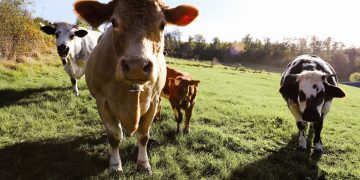







































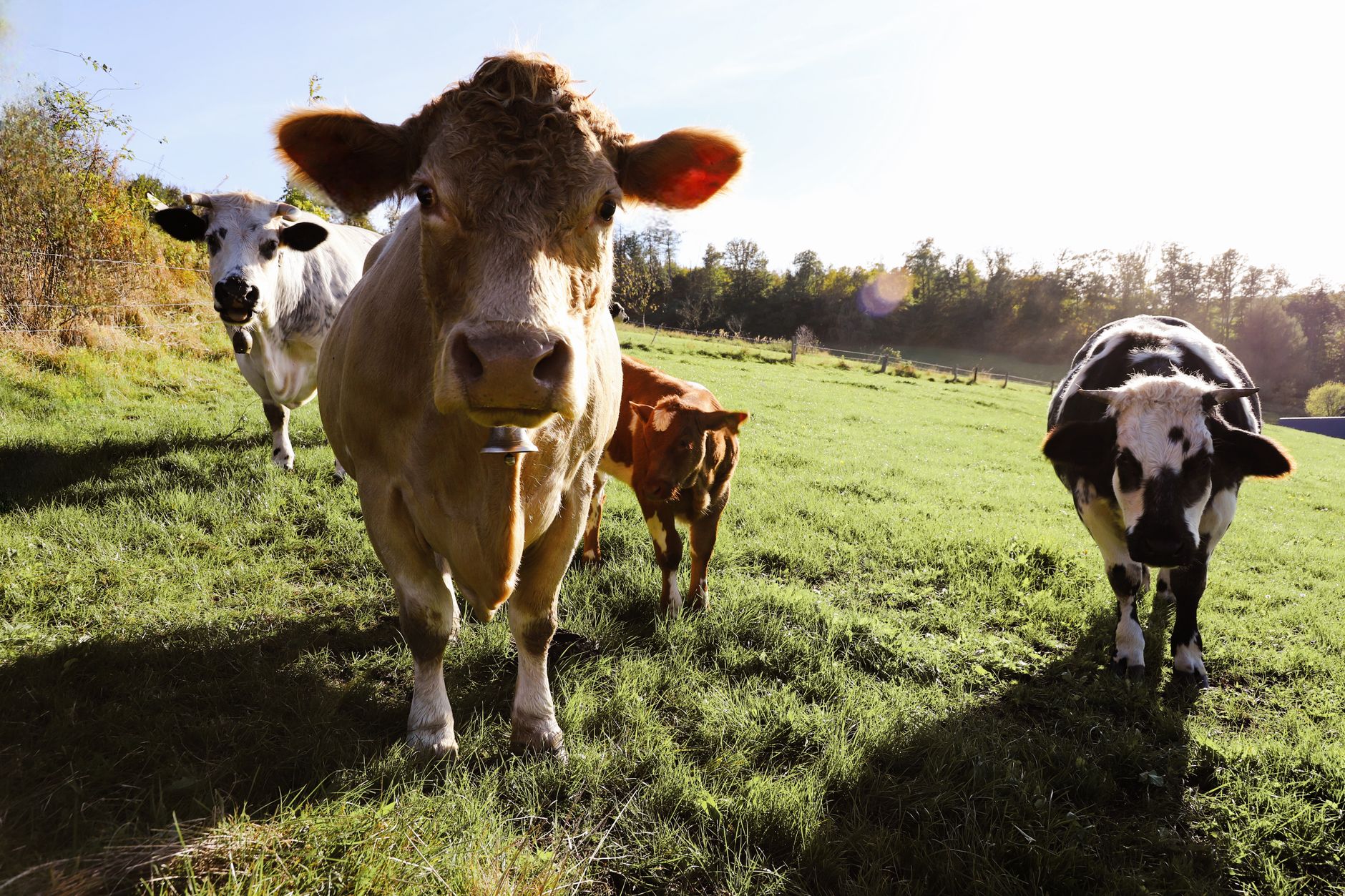
An Australian dairy farm in Tasmania says it has become the first in the country to run two of agriculture’s most talked-about technologies side by side: AI-powered virtual fencing that keeps cattle in line without a strand of wire, and robotic systems that milk the herd with little human involvement. The claim, reported this week, is a small but telling marker of how quickly automation is moving from factory floors and data centres onto working farms.
Virtual fencing and robotic milking have each been building a foothold in Australia for several years. What is new, according to the Tasmanian operation, is the decision to stitch them together on the one property so that the movement of animals and the harvesting of milk are both handled by machines talking to software rather than by a farmer on a quad bike or standing in a dairy before dawn. It is the kind of integration that vendors have promised for a while, and seeing it running on a commercial farm gives the rest of the industry something concrete to study.
How the technology works
Virtual fencing replaces physical barriers with GPS-enabled collars worn by each animal. Farmers draw paddock boundaries on a tablet or phone, and when a cow approaches the invisible line the collar delivers an audio cue, followed by a mild electrical pulse if the animal keeps going. Over time the herd learns to respond to the sound alone. The technology lets farmers shift grazing zones remotely, ration pasture more precisely and move stock off waterlogged or eroded ground without building and rebuilding fences by hand.
Robotic milking, sometimes called voluntary or automatic milking, works on a different rhythm. Cows choose when to present themselves at a robotic station, often lured by feed, and sensors attach the cups, monitor milk yield and flag health problems such as mastitis. For pasture-based systems common in Tasmania and the dairy regions of Victoria, combining the two means software can nudge animals towards the dairy at the right time and then take over the milking, turning what used to be a labour-intensive daily cycle into something closer to a managed, data-rich routine.
Why it matters now
The timing is not accidental. Australian dairy has been squeezed for years by rising input costs, volatile farmgate milk prices and a chronic shortage of rural labour. Finding and keeping skilled dairy hands who are willing to work split shifts in cold, wet conditions has become one of the industry’s hardest problems, and automation is increasingly pitched as the answer. A system that reduces the physical demands of fencing and milking, while generating continuous data on animal health and pasture use, speaks directly to those pressures.
There is also an environmental argument. Advocates of virtual fencing say the ability to move cattle off sensitive country, protect waterways and fine-tune grazing can improve land condition and cut the overgrazing that degrades soil. Paired with the yield and health data from robotic milking, the combination is being sold as a way to run a tighter, more sustainable operation with a smaller crew.
Two sides to the automation story
Not everyone is convinced the technology is an unambiguous good, and the debate around virtual fencing in particular has been lively. Supporters, including the companies selling the collars and many early-adopting farmers, point to trials showing cattle adapt quickly and spend most of their time responding to audio cues rather than pulses. They argue the welfare outcome is at least as good as conventional electric fencing, which also relies on a shock, and that the flexibility is transformative for how land is managed.
Animal welfare groups and some researchers have urged more caution. Their concern is less about the concept than about the detail: how reliably the collars work across different breeds and terrain, whether some animals are stressed by repeated cues, and how closely the systems are monitored once a farm scales up. Regulation reflects that unsettled picture. Virtual fencing for cattle has been permitted in Tasmania and more recently cleared for commercial use in some other states, while the rules elsewhere in Australia have lagged, leaving a patchwork that farmers have to navigate carefully before they invest.
Robotic milking carries its own trade-offs. The upfront capital cost is significant, the systems demand reliable power and connectivity, and a technical fault at the wrong moment can quickly become an animal welfare and production problem. On a remote property, that reliance on hardware and software uptime is a real operational risk rather than an abstract one.
What it means for Australia
For an industry worth billions to the national economy and central to regional communities across Tasmania, Victoria, New South Wales and Western Australia, the significance of a single farm trialling an integrated setup lies in what it signals. If the combination proves itself commercially, it offers a template for farms grappling with labour shortages and thin margins, and it strengthens the case for the rural connectivity and energy infrastructure these systems need to run. Precision agriculture has long been held up as one of the areas where Australia could lead given its vast landholdings and strong agricultural research base, and tangible on-farm examples help turn that ambition into practice.
It also feeds a broader national conversation about where AI delivers genuine productivity gains. Much of the recent focus has sat on data centres, financial markets and government services, but agriculture is quietly becoming one of the most practical proving grounds for the technology, with outcomes that are measurable in litres of milk, hours of labour saved and hectares of land protected.
What is next
The real test will be whether the Tasmanian setup holds up over a full season and whether the data backs the promises around animal welfare, pasture management and labour. Other dairy farmers will be watching the economics closely, because the capital outlay for collars, robots and the supporting infrastructure is substantial and the payback period uncertain. Regulators, meanwhile, face pressure to clarify and harmonise the rules on virtual fencing so that farmers in every state know where they stand before committing. Expect industry bodies and researchers to study this operation carefully, and expect more combined deployments if the numbers stack up.
Sources: eDairyNews via GNews.