






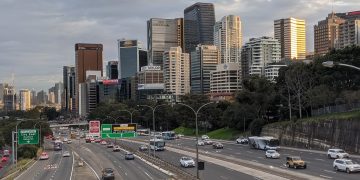






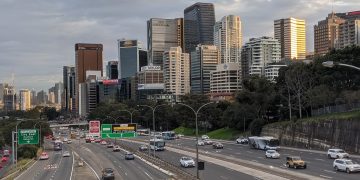
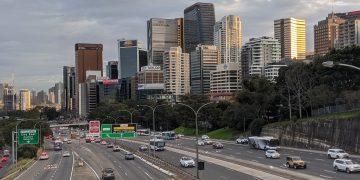


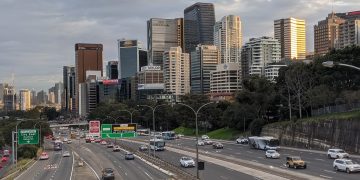









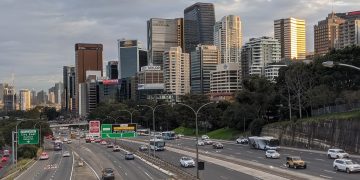



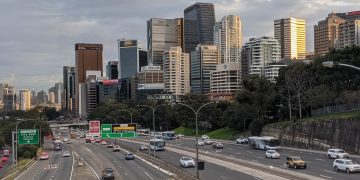
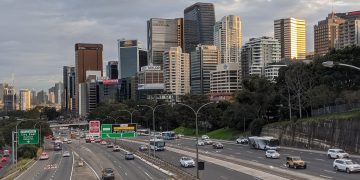

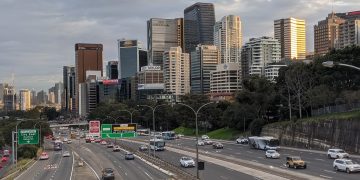











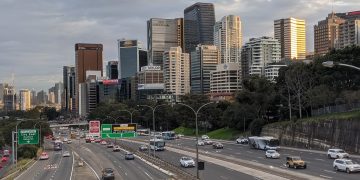


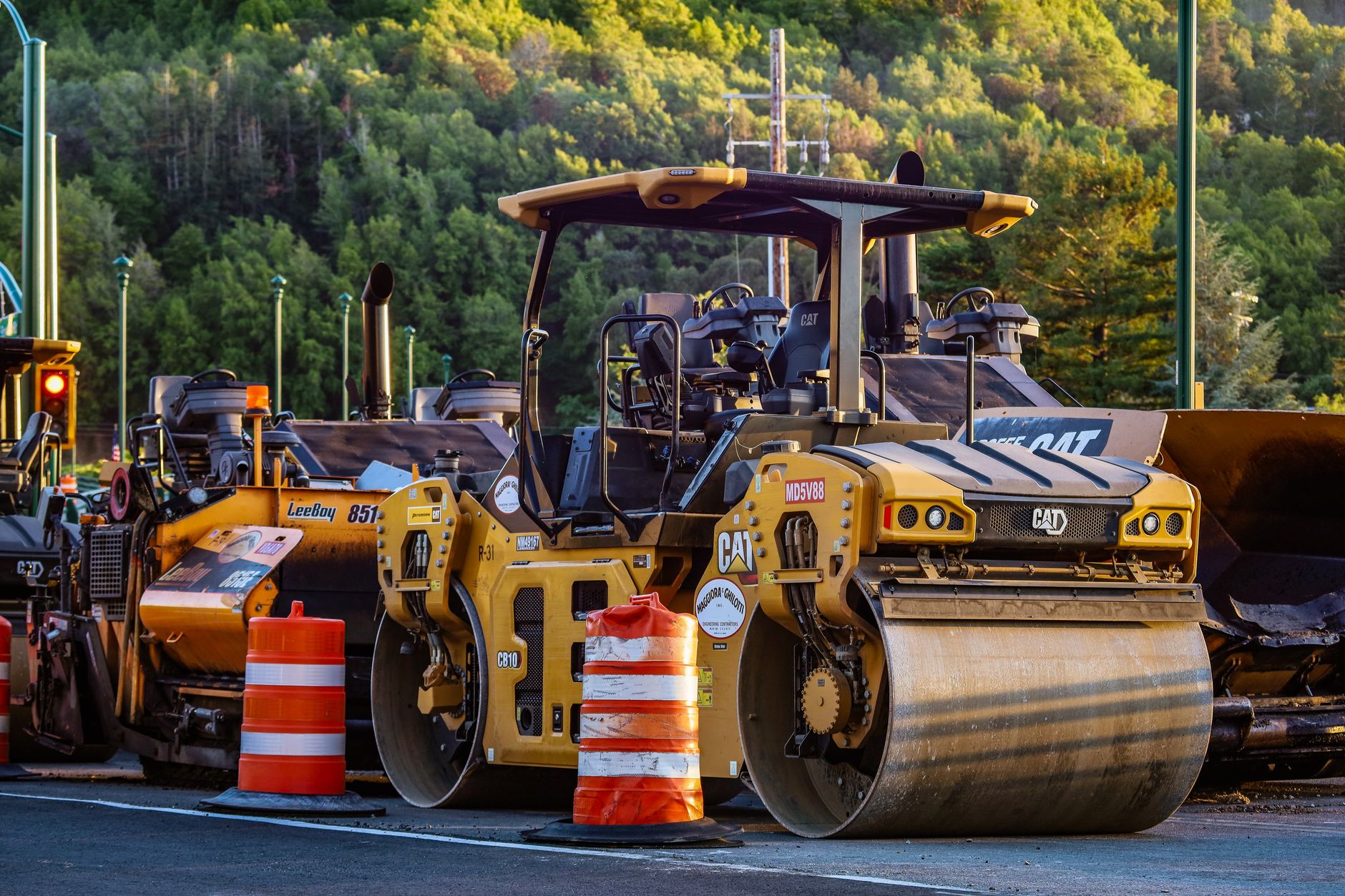
The national conversation about artificial intelligence has a habit of drifting toward the abstract. Chatbots, sovereign large language models, hyperscale data centres in regional towns and the endless argument over whether machines are about to take everyone’s job. Yet some of the most tangible gains from the technology are turning up in an industry that rarely features in the hype cycle: the roads, rail lines, tunnels and construction sites that hold the country together.
A recent piece in Roads & Infrastructure Magazine argues that Australia has a distinctive edge when it comes to putting AI to work in heavy industry. The case is not that Australia writes the cleverest algorithms or trains the biggest models. It is that the country has an unusual combination of large, complex projects, a chronic labour and productivity problem, and a regulatory culture that increasingly demands measurable outcomes. Those conditions, the argument goes, make Australian infrastructure fertile ground for AI that actually earns its keep.
Why infrastructure is a natural fit
Construction and infrastructure have long been laggards on productivity. The sector employs more than a million Australians and accounts for close to a tenth of gross domestic product, yet its output per worker has barely shifted in decades while other industries have surged ahead. That stagnation is precisely what makes it interesting to technologists. When a sector has plenty of repetitive, data-rich, error-prone work and thin margins, even modest automation can pay for itself quickly.
The applications already in the field are unglamorous but real. Computer vision systems scan road surfaces from vehicle-mounted cameras and flag cracking, rutting and potholes far faster than a crew with a clipboard. Predictive models comb through sensor data on bridges and tunnels to spot the early signatures of fatigue before they become failures. On big civil projects, machine learning is being used to sequence works, forecast delays and reconcile the tangle of design changes that usually blow out budgets. In quarries and on haul roads, autonomous and semi-autonomous fleets are shifting material with fewer people and fewer incidents.
None of this is science fiction. It is the slow, practical absorption of a general-purpose technology into an industry that measures success in fewer road deaths, longer asset life and projects that finish closer to schedule.
Two ways of reading the story
Optimists inside the sector see a rare chance for Australia to lead in a domain where it has genuine depth. The country builds and maintains an enormous stock of infrastructure across punishing distances and climates, from the flood-prone roads of the far north to the freight corridors of the eastern seaboard. That scale generates the data and the hard problems that make AI useful, and the engineering firms, miners and contractors involved have deep pockets and strong commercial reasons to adopt tools that cut cost and risk. On this reading, infrastructure could become one of Australia’s clearest export stories in applied AI, packaging up locally proven systems and selling them into comparable markets abroad.
The sceptics are not so quick to celebrate. They point out that the construction sector is notoriously fragmented, dominated by subcontractors and thin on the digital plumbing that AI needs to work. A clever model is useless if the underlying asset data sits in incompatible spreadsheets, or if a project’s records live in a filing cabinet on site. There are also legitimate worries about safety, liability and skills. If an AI system misreads a structural warning sign, who carries the responsibility? And an industry already struggling to attract young workers now has to retrain its existing workforce to supervise tools that many have never used.
Both views can be true at once. The technology’s potential in Australian infrastructure is large, and the barriers to realising it are just as real. The gap between the two is mostly a question of execution, data discipline and whether governments and firms are willing to invest in the unglamorous groundwork.
The Australian stakes
For Australia, the stakes go well beyond efficiency. Infrastructure spending sits at the centre of federal and state politics, with tens of billions committed to road, rail and renewable-energy projects over the coming decade. Cost blowouts on major works have become a recurring political headache, and productivity has been named repeatedly by the Reserve Bank and Treasury as the country’s central economic challenge. If AI can shave even a few percentage points off delivery times and maintenance costs across that pipeline, the national dividend is measured in billions and in safer roads.
There is also a sovereignty angle that fits neatly with the broader debate playing out across the sector. Much of the current anxiety about AI in Australia concerns dependence on foreign models and offshore compute. Infrastructure is different. The data is generated here, the assets are physically here, and the value is captured locally. That makes it one of the few AI domains where Australia can build genuine home-grown capability without first winning a compute arms race it is unlikely to win. The same logic that has driven calls for sovereign data centres and locally trained models applies with even more force to the physical systems those technologies are meant to serve.
The flipside is that this advantage is not guaranteed. Skills shortages remain acute across engineering and digital trades, and the country’s record on translating research strength into commercial products is patchy. Without coordinated investment in data standards, workforce training and procurement rules that reward proven technology, the edge could just as easily be squandered.
What comes next
The near-term test will be whether AI tools move from pilot projects and vendor demonstrations into standard practice on major works. That shift usually happens when the big clients, principally state road and transport authorities, start writing requirements for it into contracts, which forces the supply chain to follow. Watch, too, for how the safety regulators and insurers respond, because their comfort with AI-assisted inspection and asset management will set the pace as much as any technical breakthrough.
For now, the story is a quietly encouraging one. Away from the noise about chatbots and job losses, an old and stubborn industry is beginning to reinvent how it works, and in doing so it may be handing Australia one of its more durable advantages in the global AI race. Whether the country presses that advantage or lets it slip is, as ever, a matter of will rather than technology.
Sources: Roads & Infrastructure Magazine.