







































For most of the past decade, Australia has tended to file defence, industrial policy and artificial intelligence into separate drawers. Defence sat with the strategists in Canberra, industry policy belonged to Treasury and the manufacturing lobby, and AI was something for the technology pages and a handful of nervous chief information officers. A new podcast from trade publication Defence Connect makes the case that this tidy separation no longer holds, and that the three subjects have quietly become one conversation about whether the country can supply, defend and sustain itself when the world turns hostile.
The episode, which runs under the banner of defence preparedness, artificial intelligence productivity and Australian industrial resilience, lands at a moment when each of those themes is already dominating its own corner of the national debate. You can listen to the discussion via Defence Connect, and the throughline is simple enough to state and hard to solve: a nation that cannot build things quickly, or think quickly, cannot defend itself cheaply.
Why the three themes have collapsed into one
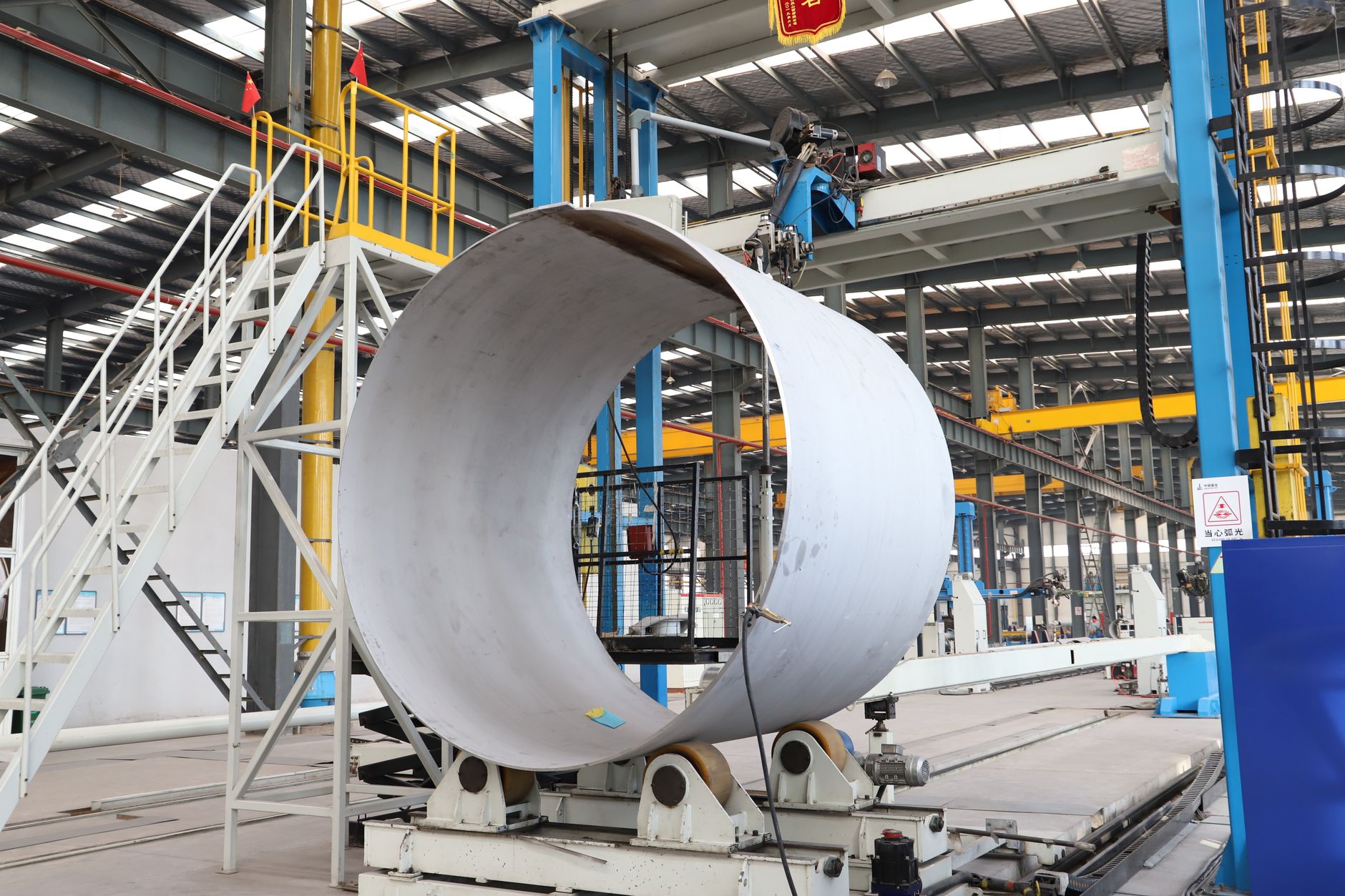
The logic knitting these subjects together has been building for years. The AUKUS submarine program, the surge in guided-weapons manufacturing and the government’s stated ambition to make more of its own kit have all pushed defence back into the industrial economy after decades of offshoring. At the same time, productivity growth across the broader Australian economy has stalled, which is precisely the gap that AI boosters promise their tools can fill. Put those trends beside each other and the podcast’s premise writes itself: if Australia wants a defence industrial base that can scale in a crisis, it will need the productivity uplift that automation and machine learning are supposed to deliver.
Industrial resilience is the third leg, and arguably the one that has moved fastest in the public mind. The pandemic taught boardrooms and bureaucrats alike that long, thin supply chains snap under pressure, and the years since have added semiconductors, critical minerals and shipping lanes to the list of things Australia cannot take for granted. Resilience, in this framing, is not just about stockpiling. It is about having enough skilled people, enough local manufacturing capacity and enough smart software to keep production humming when imports slow to a trickle.
Two ways of reading the pitch
There is a genuinely optimistic case here, and it is the one defence primes and technology vendors tend to make. On this view, AI is the great multiplier for a country with a small population and a large coastline. Machine learning can compress design cycles for complex platforms, spot faults on a production line before they cascade, optimise the movement of parts through a supply chain, and let a modest workforce do the work of a much larger one. For a defence sector that struggles to recruit welders, engineers and cleared software developers, anything that stretches scarce labour further is worth a serious look.
The sceptical reading is just as important, and Australia’s recent experience gives it teeth. Adding AI to a fragile system does not automatically make that system resilient. It can make it more brittle, because models need data, computing power and connectivity, all of which are themselves supply chains that can be cut. There is also the uncomfortable question of sovereignty. If the productivity gains flow through foreign-owned models running in foreign-owned data centres, then a country that set out to become more self-reliant may simply have swapped one dependency for another. That tension has surfaced repeatedly in local policy debates about sovereign large language models and government procurement, and it is not resolved by a podcast, however sharp.
What it means for Australia
For an Australian audience, the stakes are unusually concrete. The Australian Strategic Policy Institute and others have spent the past year warning that autonomous systems, subsea cables and sovereign defence AI are areas where the country is exposed, and where decisions made now will shape the next twenty years. The federal government has tied a large slice of its productivity agenda to artificial intelligence, while simultaneously fielding criticism that it talks up sovereign capability far more than it funds it. Those two ambitions, a stronger defence base and a more productive economy, are now competing for the same scarce inputs: skilled workers, secure computing capacity and patient capital.
The workforce question may be the sharpest of all. Australia does not have a deep bench of people who can build guided weapons, secure a defence network and deploy machine-learning systems, and training them takes years that a deteriorating strategic environment may not grant. Universities are lifting their AI spending, businesses are being nudged toward adoption through free advisory hotlines and productivity campaigns, and yet the capability gap that officials keep naming has not closed. A podcast cannot fix that, but it can force the point that defence readiness and economic productivity are drawing from the same shallow talent pool.
What comes next
The practical test of whether this framing sticks will play out in procurement and budget documents rather than in podcast studios. Watch for defence contracts that explicitly reward local content and automation, for training pipelines aimed at the crossover skills that sit between manufacturing and machine learning, and for the perennial argument about whether Australia is genuinely building sovereign AI capability or merely hosting someone else’s. Each of those threads has already generated its own headlines this year, and the value of an episode like this one is that it refuses to let them be discussed in isolation.
None of this guarantees that the optimistic case wins. Australia has a long history of announcing industrial ambitions and a shorter one of following through, and AI has a habit of arriving with more hype than delivery. But the underlying argument, that a country’s ability to defend itself now depends on how quickly it can build and how cleverly it can automate, is difficult to dismiss. The conversation is worth having loudly, and having now, before the next shock decides the timetable for us.
Sources: Defence Connect.