

















































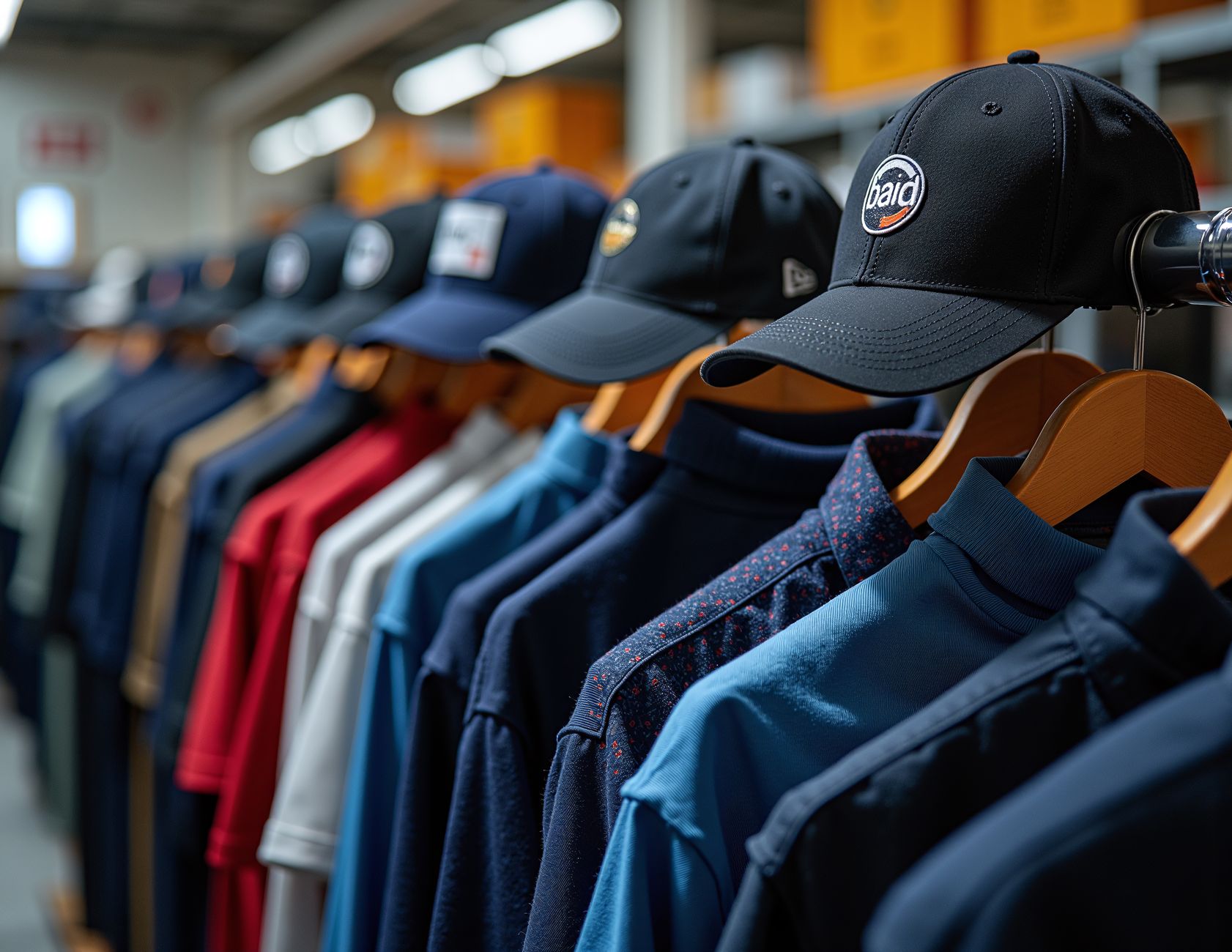
When a company that builds some of the world’s most advanced artificial intelligence starts selling basketballs, it is fair to ask what is going on. OpenAI, the San Francisco outfit behind ChatGPT, has quietly turned itself into a lifestyle brand, offering shirts, caps, hoodies and assorted knick-knacks stamped with its logo. The obvious question, posed bluntly by The Australian, is whether anyone actually wants this stuff. The company’s answer, according to that reporting, is that the numbers don’t lie.
From research lab to retail brand
Not long ago, OpenAI presented itself as a careful non-profit research house worried about the existential stakes of building machines that think. The commercial reality has moved a long way since then. ChatGPT now claims hundreds of millions of weekly users, the company is valued in the hundreds of billions of dollars, and its logo has become one of the most recognised symbols in technology. Merchandise is the natural next step for any brand that has crossed from product into cultural shorthand, and OpenAI is hardly the first Silicon Valley name to try it. Google, Meta and countless startups have long run online stores selling company-branded apparel, much of it aimed at staff and superfans rather than the general public.
What makes the OpenAI push notable is the timing and the tone. The company is spending vast sums on data centres, chips and talent, and it is doing so while still burning through cash. Against that backdrop, a store selling hoodies and basketballs is not going to move the financial needle. The value, if there is any, is in something less tangible: turning a piece of software into an identity that people are willing to wear on their chest.
What the merch actually signals
There are two ways to read a tech company selling branded gear, and both are worth taking seriously. The optimistic view is that merchandise is a sign of genuine cultural traction. People do not buy a T-shirt for a product they feel neutral about. They buy it for something they identify with, the way fans wear a band’s tour shirt or a football club’s colours. If OpenAI is right that the numbers stack up, it suggests ChatGPT has crossed a threshold that very few software products ever reach, becoming a brand people want to be associated with in public.
The sceptical view is that branded merchandise is a distraction, and sometimes a warning sign. Companies chasing hype often lean into logo culture to manufacture a sense of movement and belonging, particularly when the underlying business questions are getting harder. Critics of the current AI boom have pointed to the enormous gap between the money being poured into the sector and the revenue coming back out. A store full of caps and basketballs does nothing to close that gap, and to some observers it reads as a company more interested in cultivating a fandom than proving it can turn a sustainable profit. The truth is probably somewhere in the middle, and it will be some time before anyone can say for certain which reading holds.
Branding experts tend to note that merchandise works best when a product already carries emotional weight. That is why sporting codes, musicians and, increasingly, tech platforms can sell it at all. The interesting shift is that an AI model, an intangible piece of software people access through a chat window, now apparently carries enough of that weight to move physical goods. Whether that loyalty proves durable, or fades as the novelty wears off and rivals such as Google’s Gemini and Anthropic’s Claude keep pace, is the open question.
What it means for Australia
Australia is one of the most enthusiastic adopters of generative AI in the world, and that appetite shapes how a story like this lands here. Local businesses, universities and government agencies have folded ChatGPT and its competitors into daily workflows at a rapid clip, and surveys through 2025 and into this year have repeatedly shown Australians experimenting with AI tools faster than many of their overseas peers. That familiarity is precisely the ground on which brand loyalty grows. If OpenAI can sell a hoodie in California, it can very likely sell one in Sydney or Melbourne, where a meaningful slice of the workforce now treats the product as a fixture rather than a curiosity.
For Australian marketers and founders, there is a lesson buried in the merch story that has nothing to do with T-shirts. OpenAI is demonstrating, in the most literal way possible, how quickly a technology brand can move from utility to identity. Local AI startups pitching for attention in a crowded market are watching how the category leaders build cultural gravity, because standing out increasingly depends on being a name people feel something about, not just a tool they tolerate. At the same time, the episode feeds the ongoing local debate about whether the AI sector is running ahead of its fundamentals. Australian investors and regulators have been openly cautious about hype outpacing substance, and a global leader selling basketballs will do little to reassure the sceptics who worry the whole boom is running on vibes and venture capital.
There is also a quieter commercial angle. Australian retailers, licensing agents and print-on-demand operators have built solid businesses off the back of global brand crazes, and a well-known AI logo is a licensing opportunity like any other. Whether official OpenAI gear reaches local shelves in volume or stays a mostly online curiosity, the broader point is that AI has become mainstream enough to be merchandised, and that alone tells you how far the technology has travelled in the public imagination.
What’s next
The honest answer is that a merchandise line is a footnote next to the questions that will actually decide OpenAI’s future: whether it can keep its models ahead of rivals, whether it can eventually make more money than it spends, and whether the public trust it has built survives the next controversy. Branded gear is a symptom of success rather than a driver of it. If the appetite the company describes is real and lasting, it confirms that ChatGPT has become something rarer than a useful app, namely a brand people choose to belong to. If it fizzles, it will be remembered as a small vanity project from a company with far bigger things to prove. Either way, the fact that we are seriously debating whether people want AI-branded basketballs is a reminder of how thoroughly this technology has embedded itself in everyday life.
Sources: The Australian.


