









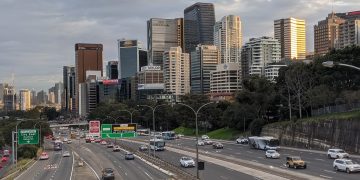





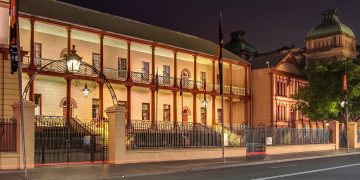
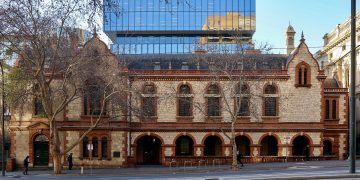

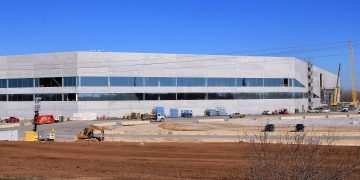















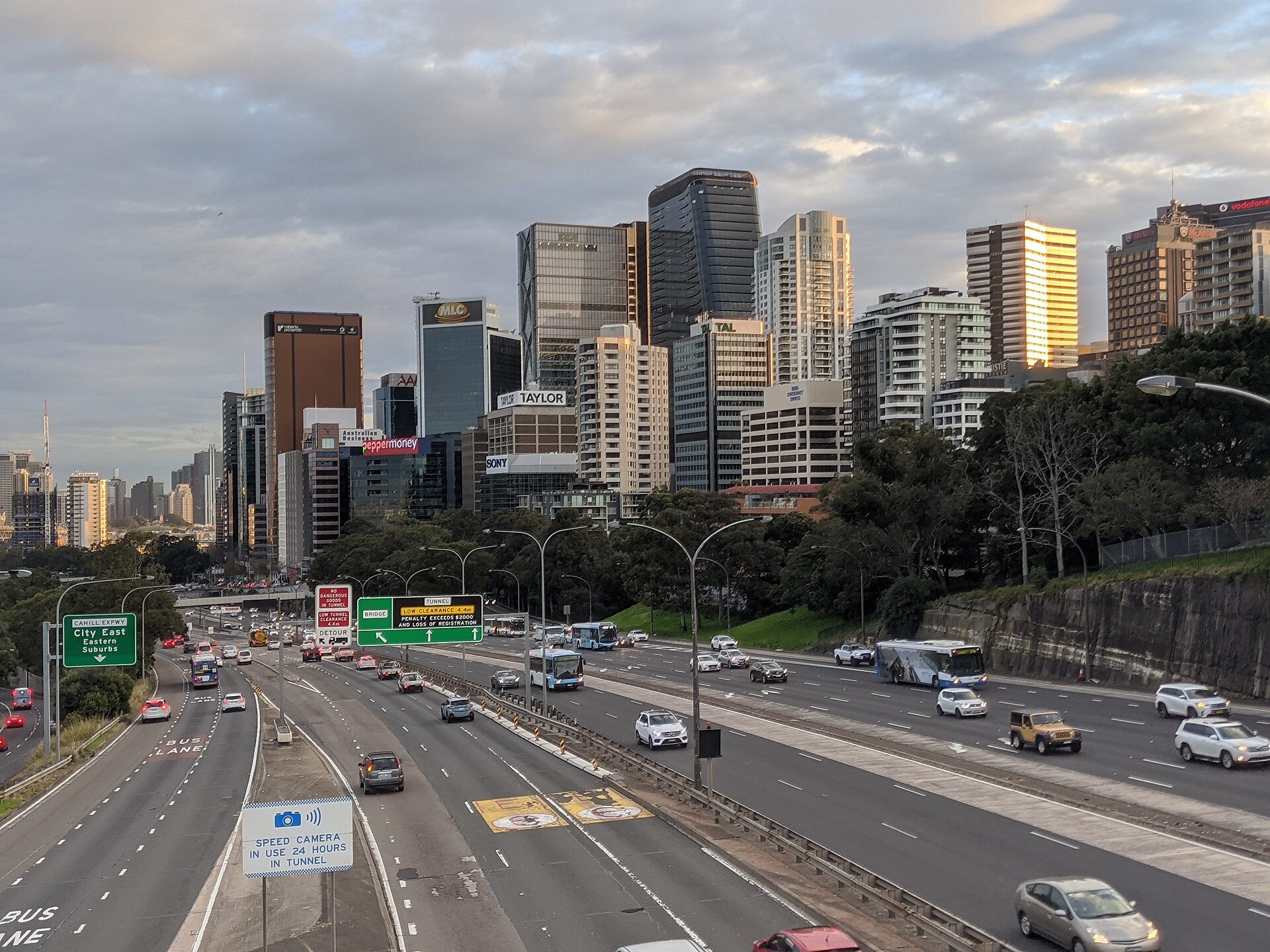
For most of the past three years the story of Australia’s office market has been told through a single lens: hybrid work. Would staff come back, how many days, and what would it do to vacancy rates in the central business districts of Sydney and Melbourne. That debate is not settled, but a new argument is emerging that reframes the question entirely. According to an analysis published by CommercialRealEstate.com.au, artificial intelligence is now the quiet force pulling the market apart, sorting the nation’s office stock into three distinct tiers with very different futures.
The news
The thesis is straightforward but consequential. Rather than a broad recovery or a broad decline, the office sector is fracturing. At the top sit premium, technology-ready towers, the buildings with the power capacity, cooling, connectivity and floorplates that tenants running AI-heavy workflows increasingly demand. In the middle sit serviceable but ageing assets that can be retrofitted, at a cost, to stay competitive. At the bottom sit older, poorly located buildings that are struggling to attract tenants at all and face the prospect of conversion, heavy discounting or obsolescence.
What makes this different from the usual flight-to-quality narrative, which has been a fixture of property commentary for years, is the driver. The argument is that AI is changing what companies actually do inside an office, and therefore what they need from the building itself. Firms leaning on data-hungry tools, real-time collaboration and heavier computing loads want infrastructure that older stock was never designed to carry. That widens the gap between the best buildings and the rest, and it does so faster than a slow cyclical drift would.
Why the split is happening
Two forces are working together. The first is demand. As Australian businesses fold generative AI into everyday operations, the profile of a “good” tenant is shifting. Occupiers want reliable power, denser connectivity and spaces that suit teams working alongside automated systems rather than rows of desks. Landlords who can offer that are winning tenants and holding rents. Those who cannot are discounting to fill space.
The second force is capital. Investors and lenders are increasingly wary of buildings that look exposed to obsolescence, and they are pricing that risk in. A tower that cannot be economically upgraded becomes harder to finance and harder to sell, which pushes it further down the tiers. The result is a self-reinforcing sort, where the strong assets attract both tenants and money while the weak ones are starved of both.
Two ways to read it
For optimists in the property industry, the tiering story is not all gloom. A clearer split gives owners and investors a decision to make rather than a fog to sit in. Premium landlords have a reason to keep investing, and owners of middle-tier stock have a defined pathway: spend to upgrade, or reposition the asset for another use such as residential or a data facility. On this reading, AI is simply accelerating a reckoning the market needed anyway, and the well-capitalised players who move early will be rewarded.
The more cautious view is that the bottom tier represents a genuine problem, not a tidy market signal. Australia’s CBDs still carry a large volume of older office stock, much of it owned by superannuation funds, listed trusts and smaller private investors whose returns feed back into household wealth and retirement savings. If a meaningful slice of that stock slides toward obsolescence, the write-downs are not abstract. They land in valuations, in fund performance and, eventually, in the amenity of city centres that depend on office workers to keep cafes, retail and transport ticking over. A three-tier market is also a warning that the middle can hollow out.
What it means for Australia
The local stakes here run deeper than the property pages. Office buildings are one of the largest asset classes in the country, held directly and indirectly by millions of Australians through their super. A structural revaluation driven by AI readiness would ripple through the balance sheets of some of the nation’s biggest institutional investors. It also intersects with a debate already playing out on FluentSea, from the surge of capital into data centres in regional New South Wales to the gas-and-power questions hanging over AI’s appetite for energy. The same forces that make a data centre in Wagga Wagga attractive are quietly reshaping what a Collins Street or George Street tower needs to stay relevant.
There is a planning dimension too. State and local governments in Sydney, Melbourne and Brisbane have been pushing office-to-residential conversions to ease housing pressure and revive quieter parts of the CBD. If AI accelerates the decline of the bottom tier, those conversion programs suddenly have far more candidate buildings, but also a tighter window to act before assets fall into disrepair. The policy question is whether the incentives and approvals move fast enough to turn stranded offices into homes rather than vacancies.
For tenants, particularly the small and mid-sized firms that make up the bulk of the Australian economy, the split cuts both ways. Businesses that want premium, tech-ready space will pay a premium for it, widening the cost gap with older stock. But the discounting at the bottom of the market may hand cost-conscious occupiers a rare window to lock in cheap space, provided they can live without the infrastructure the top tier is being built around.
What’s next
The near-term test is whether the tiering hardens or blurs. If premium vacancy keeps tightening while secondary vacancy climbs, the three-tier picture becomes the consensus and capital flows will follow it. Watch the retrofit decisions of middle-tier owners over the next 12 to 18 months, because that is where the market’s direction will be decided. Watch too how valuers and lenders treat AI readiness, since the moment it becomes a formal input into pricing, the sort will speed up.
None of this means the office is finished, a prediction that has been made and unmade repeatedly since 2020. It means the definition of a good office is being rewritten in real time, and the buildings that cannot keep up with how Australian companies actually use technology will pay for it. The winners will look less like real estate and more like infrastructure. The losers will need a new purpose, and quickly.
Sources: CommercialRealEstate.com.au.