

















































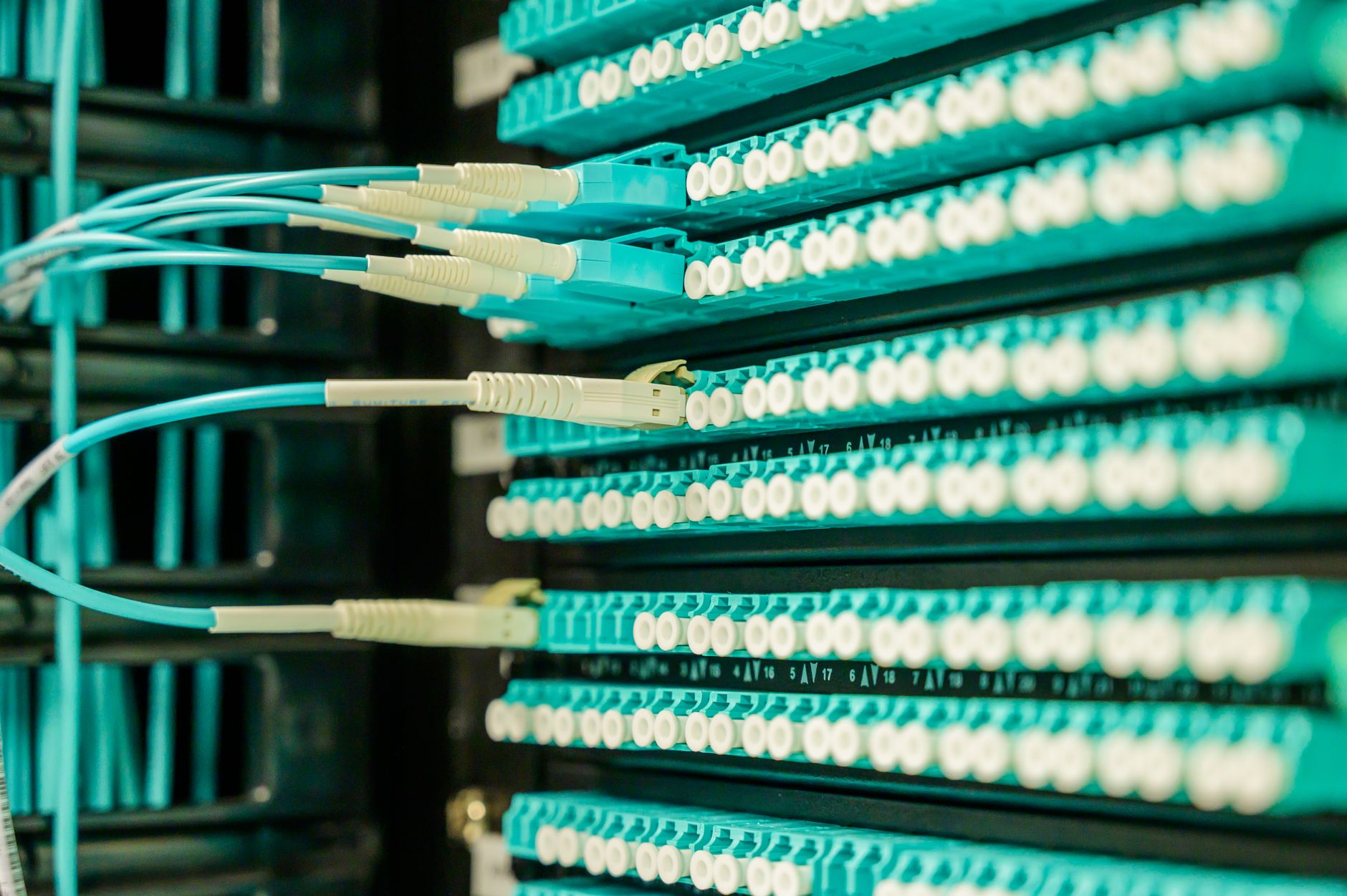
For most Australian investors, betting on the artificial intelligence boom through the local sharemarket has meant one thing: buying NextDC. The Brisbane-founded operator has become the default proxy for the picks-and-shovels story, the company you own when you want exposure to the racks, cooling systems and megawatts that make generative AI possible. Yet a new piece of analysis from Morningstar Australia argues that the obvious name is not the only way to play the theme, and that a quieter operator on the boards deserves a closer look.
The research house has published a note titled “The ASX data center stock flying under the radar”, flagging a listed business whose data centre exposure has been overshadowed by the sector’s headline act. The broader message matters more than any single ticker. It is that the AI infrastructure trade on the ASX is no longer a one-stock story, and that valuations, business models and risk profiles across the space now differ sharply.
How the ASX data centre field widened
A few years ago, the pure-play options were thin. NextDC dominated the conversation, and investors wanting exposure often had to reach offshore to the American hyperscalers and their landlords. That has changed quickly. Goodman Group, once thought of purely as an industrial property giant, has repositioned a large slice of its development pipeline towards data centres and now markets itself as much on power access as on warehouse floorspace. DigiCo Infrastructure REIT arrived on the boards in a sizeable float, giving the market a fresh income-focused vehicle built around digital infrastructure. Macquarie Technology Group has long run a cloud and data centre business that tends to attract less attention than its size warrants, precisely the kind of name that fits an “under the radar” framing.
Against that backdrop, Morningstar’s argument is that investors who anchor entirely to the best-known stock may be paying a premium for familiarity while overlooking cheaper or more diversified ways to ride the same demand curve. The pitch is not that the popular option is a bad business, but that price and expectations have moved a long way, and that a lesser-followed operator can offer a more forgiving entry point if the growth story plays out.
The bull case, and the reasons for caution
The optimistic read is straightforward. Demand for compute is running well ahead of supply. Hyperscalers are committing tens of billions of dollars a year to new capacity, cloud migration among Australian enterprises and government agencies is still maturing, and every serious AI workload needs somewhere physical to live. Data centre operators sit at a chokepoint in that supply chain, with long-dated contracts, high switching costs for tenants and pricing power that improves as power and land become scarcer. For a patient investor, that combination looks like a durable tailwind rather than a passing fad.
The sceptical view is just as important, and it is where much of the professional debate now sits. Building data centres is enormously capital-intensive. Operators raise equity, take on debt and pour money into construction years before the revenue arrives, which means free cash flow can stay negative for a long time even when the underlying business is healthy. Rising interest rates over recent years lifted the cost of that capital and pressured the valuations of exactly these kinds of long-duration growth names. There is also the question of power. Grid connections, energy prices and the emissions footprint of always-on facilities have become live constraints on how quickly new capacity can come online, a tension FluentSea has covered as Australia weighs its data centre ambitions against its energy system. An under-the-radar stock might be cheaper for good reasons, whether that is a weaker balance sheet, a less certain development pipeline or lumpier earnings.
Morningstar’s job, in effect, is to weigh a company’s shares against its own estimate of fair value, and its willingness to point away from the crowd reflects a view that the market has priced the sector unevenly. That is a useful signal for retail investors, but it is not a guarantee. Analyst fair-value estimates rest on assumptions about contract renewals, occupancy and the pace of AI adoption, any of which can move.
What it means for Australia
The local stakes here run deeper than a single stock tip. Data centres have become strategic infrastructure, and the question of who owns and builds them is now bound up with sovereignty, jobs and energy policy. Superannuation funds, which manage the retirement savings of millions of Australians, are increasingly hunting for exactly this kind of long-life, contracted asset, and the choices they make will shape both returns and where the physical capacity lands. Regional communities from Wagga Wagga to the fringes of the capital cities are being courted as sites, drawn by the promise of investment but wary of the strain on local grids and water.
For everyday investors, the widening of the ASX data centre field is a genuine positive. It means exposure to the AI build-out no longer requires buying a single high-priced name or sending money offshore to United States mega-caps. It also means more homework. The businesses grouped under the “data centre” label range from asset-heavy developers to property trusts to diversified technology providers, and they carry very different risks. Treating them as interchangeable proxies for the same trade is precisely the mistake Morningstar’s note warns against.
What’s next
The near-term test will be earnings season and the capital-raising cycle. Investors will be watching how much new capacity operators commit to, how they fund it and whether contracted revenue is keeping pace with the spending. Energy will remain the swing factor, with grid access and power costs increasingly determining which projects get built and when. If the AI demand story holds, the case for owning Australian data centre infrastructure only strengthens, and the debate shifts from whether to buy the theme to which vehicle offers the best balance of growth and price.
For now, the value in Morningstar’s framing is the reminder that the ASX’s AI infrastructure trade has quietly matured into a small sector with real choices, and that the most talked-about name is not automatically the smartest one to own.
Sources: Morningstar Australia.


