













































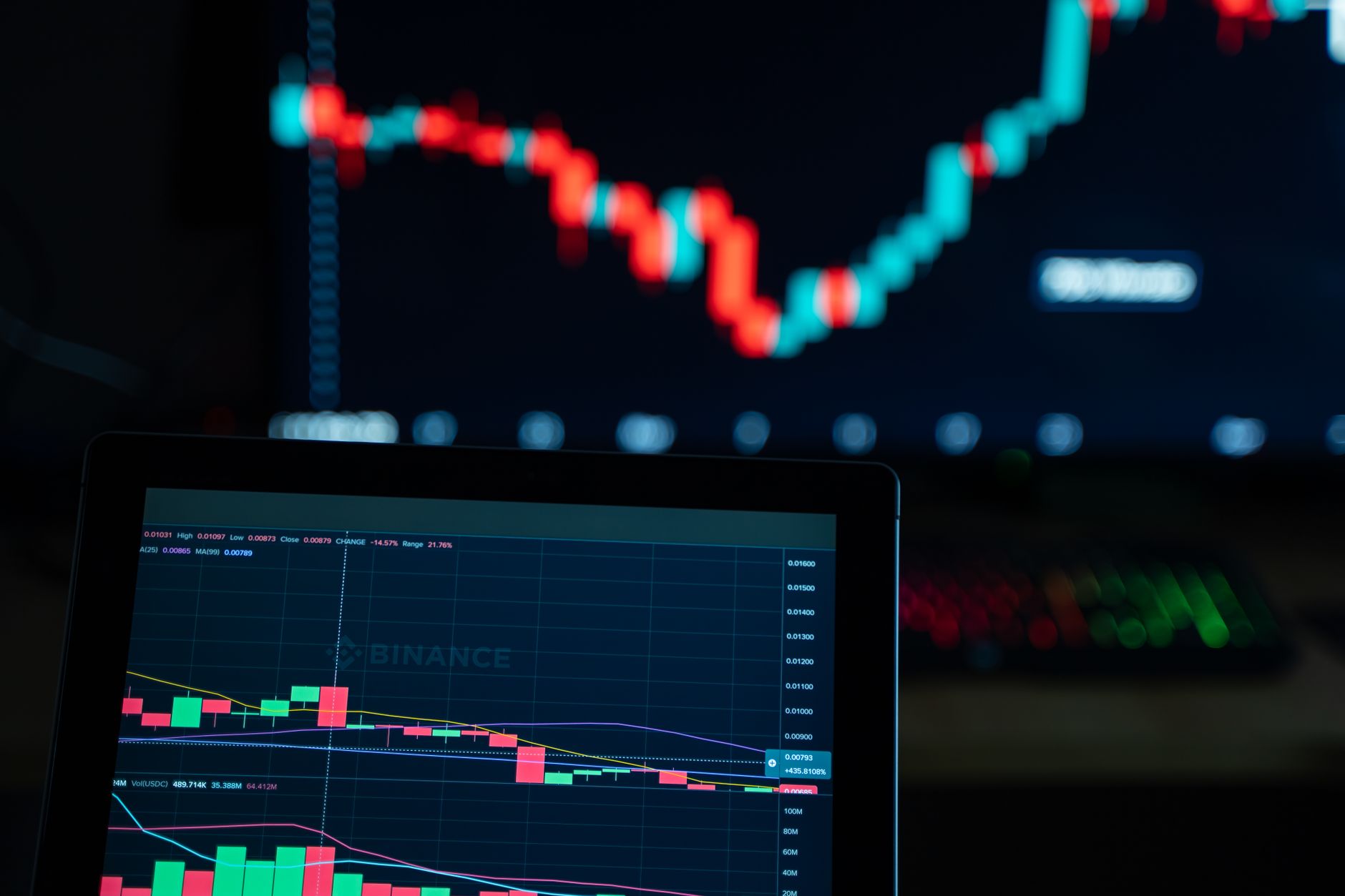
For the better part of two years, artificial intelligence has been the single most powerful force lifting global share markets, dragging along everything from chipmakers to power utilities on the promise that a technology revolution was only just beginning. In recent weeks that story has run into a wall, with a sharp sell-off in the biggest AI names knocking billions off valuations and reviving an uncomfortable question that never quite went away: how much of this boom is real, and how much is hope dressed up as forecasting.
Rather than treat the slide as a disaster, a notable chunk of the investment community is greeting it with something closer to relief. As The Australian reported, a chorus of market watchers is describing the correction as a “healthy reset”, a moment where froth is skimmed off prices that had detached from the underlying reality of earnings and cash flow. The argument is not that AI is a mirage, but that the market got ahead of itself and needed to catch its breath before the next leg.
How the market got here
The rally that preceded this pullback was extraordinary by any measure. A small cluster of American technology giants, led by Nvidia, came to account for an outsized share of the entire market’s gains, with the chipmaker alone briefly worth more than the combined value of most national stock exchanges. Money poured into anything with an AI label, and valuations climbed to levels that assumed years of flawless execution and uninterrupted demand for computing power.
That concentration always carried a risk. When a handful of stocks do most of the lifting, any wobble in confidence about those names ripples through index funds, superannuation balances and pension portfolios that hold them by default. The recent trigger has been a mix of nerves about the sheer scale of promised spending on data centres, questions about whether the returns will ever justify the capital, and unease over the increasingly circular financing arrangements in which the same companies invest in each other, buy each other’s chips and book each other’s revenue.
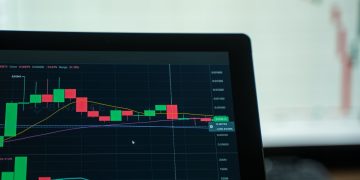
None of this is new information to seasoned investors, but markets have a way of ignoring known risks until they suddenly decide to price them all at once. That is roughly what has happened here, and it explains why a fall that looks alarming on a chart can also be read as a rational adjustment rather than a panic.
Two ways to read the fall
The optimistic case, and the one behind the “healthy reset” framing, holds that corrections are the price of admission in any genuine technology boom. Proponents point to the dot-com era, when the internet was very real even as individual stocks collapsed, and argue that shaking out speculative money leaves the sector on firmer ground. On this view, the companies with actual revenue, working products and defensible positions will emerge stronger, while the tourists and the hype merchants get flushed out. A cheaper entry point, they add, is a gift for long-term buyers who missed the initial run.
The more cautious camp is less sanguine. It warns that the comparison with the dot-com crash cuts both ways, because that episode also destroyed enormous amounts of wealth and took years to recover. Sceptics note that much of the AI spending boom is being funded by debt and by circular deals that flatter the numbers, and that if demand for AI services grows more slowly than the marketing suggests, the current pullback could be the first instalment of a longer, more painful repricing rather than a quick reset. The honest answer is that nobody knows yet which reading is correct, and both scenarios remain live.
What it means for Australia
Australians are more exposed to this than they may realise, and not through direct share holdings. The bulk of the exposure sits inside superannuation. Trillions of dollars in retirement savings are invested in global equity funds, and those funds are heavily weighted towards the same American technology names that have driven the AI trade. When Nvidia and its peers fall, the effect shows up quietly in millions of quarterly super statements, even for people who have never bought a single share themselves.
There is a local market dimension too. The ASX has developed its own crop of AI-linked stories, from data-centre operators and cloud providers to smaller listed players riding investor enthusiasm, and several have already felt the chill of the global mood. Companies tied to the physical build-out of AI, including miners supplying the copper and critical minerals that data centres and power grids consume, have seen their fortunes swing with sentiment about how much infrastructure will actually get built. A cooling in AI optimism flows through to commodity demand forecasts and, by extension, to the resources names that anchor the Australian index.
For everyday investors and self-managed super funds, the practical takeaway from advisers has been consistent: avoid making dramatic decisions in the middle of a volatile stretch, remember that concentration risk works in both directions, and treat a correction as a reminder to check how much of a portfolio quietly depends on a single theme. For policymakers watching Australia’s own ambitions to build data centres and grow a domestic AI industry, the sell-off is a useful signal that the capital funding that expansion is neither infinite nor unconditional.
What happens next
The near-term direction will hinge on the next round of earnings from the largest AI companies, which will either validate the spending or expose the gap between promise and payoff. Investors will be watching whether demand for computing power keeps accelerating, whether the enormous capital budgets start translating into profit, and whether the financing arrangements underpinning the boom hold up under scrutiny. A steady run of solid results would support the healthy-reset thesis, while any sign of slowing demand would embolden the sceptics.
What is clear is that the era of AI stocks rising in a near-straight line has, for now, paused. Whether this proves to be a healthy reset that clears the way for durable growth or the early warning of something larger will only be obvious in hindsight. In the meantime, Australian savers would do well to understand exactly how much of their financial future is already tied to the outcome.
Sources: The Australian.