
















































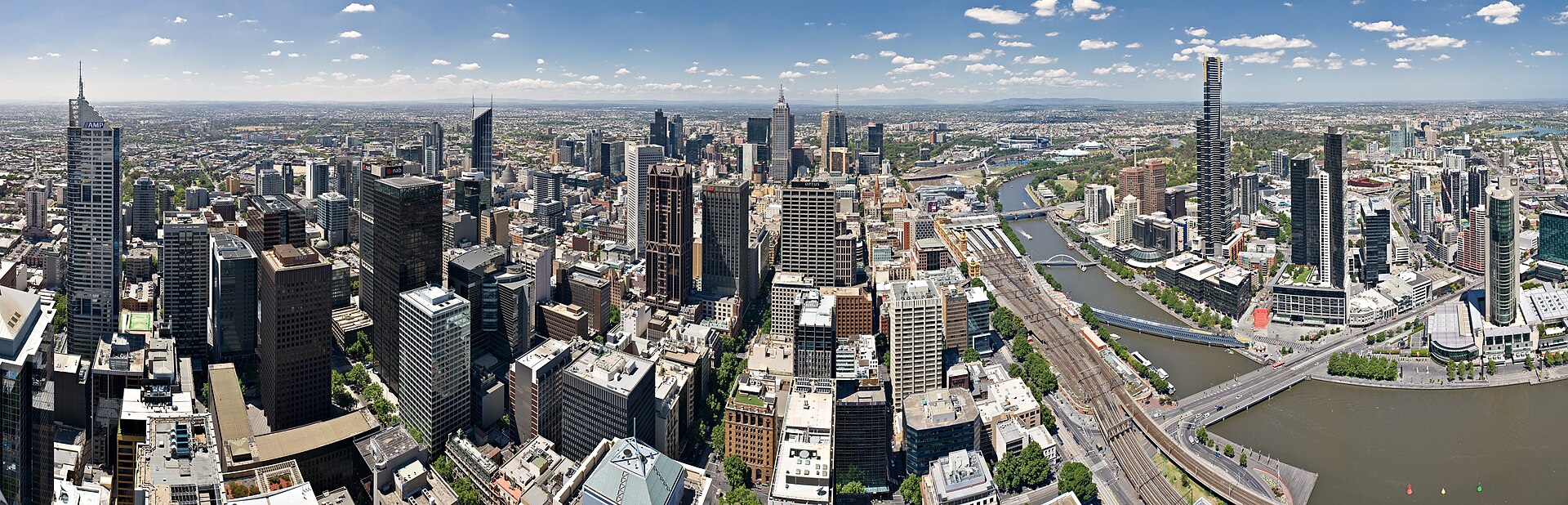
Melbourne has landed another vote of confidence from a fast-growing global technology company, with the Spanish live-entertainment platform Fever confirming it will build its first data and artificial intelligence hub outside its Madrid headquarters in the Victorian capital. The decision, announced through the state government’s investment arm, gives Victoria a tangible example of the kind of offshore engineering work it has spent years trying to attract.
Fever is not a household name in Australia the way a social network or a streaming service might be, but its reach is substantial. The company runs a discovery platform that helps millions of people find things to do in their cities, from immersive art shows to its globally franchised Candlelight concert series, which stages classical and pop performances by candlelight in unusual venues. Behind that consumer-facing business sits a large data operation: Fever uses machine learning to predict which events will sell, to price tickets, and to recommend experiences to users across dozens of countries. That engine is what the Melbourne hub is expected to help power.
What the company has announced
According to Invest Victoria, the Melbourne site will be Fever’s first dedicated data and AI hub established anywhere outside Madrid. For a company that has built its technical culture around a single Spanish base, that is a meaningful structural shift. It signals that Fever wants engineering and data talent close to the Asia-Pacific day, rather than running everything from a European time zone and asking staff on the other side of the world to stretch their hours.
The appeal of Melbourne for this kind of role is not hard to understand. The city has a deep pool of software and data engineers, feeds off a cluster of universities with strong computer science programs, and sits in a time zone that overlaps well with growth markets across Asia. It is also where a string of other technology players have chosen to plant local engineering teams rather than just sales offices, which matters: a sales office can be packed up in a quarter, while a data and AI hub implies a longer commitment and higher-value jobs.
Two ways to read the deal
Supporters of Victoria’s investment-attraction strategy will see the Fever decision as evidence that the state’s pitch is working. The argument runs like this. Australia cannot compete with the United States or Europe on the sheer scale of capital, so it has to compete on talent, liveability and stability. Melbourne offers all three, and when a profitable, internationally scaled company chooses it for genuinely technical work, that is worth more than a dozen memorandums of understanding. Each offshore hub also tends to seed the local ecosystem, because engineers who cut their teeth inside a global firm often go on to start or join Australian companies.
The more sceptical reading is that one hub, however welcome, does not change the structural challenge Australia faces. Critics of the broader “innovation statement” approach have long argued that governments are quick to celebrate announcements and slower to measure whether the promised jobs actually materialise, and at what quality. The questions worth asking of the Fever deal are the ones that apply to any of these wins. How many roles, over what timeframe, and are they senior engineering and research positions or more routine data processing? Were incentives involved, and if so, do they represent value for the Victorian taxpayer? Until the detail is public, the honest answer is that the announcement is a positive signal rather than a settled outcome.
Why it matters for Australia
The Fever hub lands in the middle of a national conversation about whether Australia can hold onto its AI talent and build sovereign capability rather than simply consuming technology designed elsewhere. That debate has been running hot through 2026, from warnings by the Australian Signals Directorate that AI is no substitute for defensive fundamentals, to think-tank arguments that the country needs expert humans guiding the AI rush rather than being swept along by it. A foreign company setting up genuine data and AI work onshore cuts against the gloomier version of that story, because it keeps skilled roles in the country and gives local graduates somewhere to apply world-class training without leaving for San Francisco or London.
There is a competitive dimension between the states, too. New South Wales has pulled in major data-centre investment, including large green-financed builds in Western Sydney, while Victoria has leaned on its talent base and research institutions. A Fever hub strengthens Melbourne’s claim to be the place for the software and data layer that sits on top of all that physical infrastructure. The two are complementary. Australia needs both the data centres that house the compute and the engineering teams that turn it into useful products, and the Fever decision adds to the second column.
It also fits a pattern Australians have started to notice. International technology firms are increasingly treating the country not as a distant sales territory but as a place to do real engineering, drawn by a workforce that recent global surveys suggest is among the most enthusiastic adopters of AI at work. Each such decision makes the next one easier, because talent attracts talent and credible local anchors give the next prospective investor a reference point.
What’s next
The immediate questions are practical. Fever will need to confirm the scale of its Melbourne team, where it will sit, and how quickly it intends to hire. Prospective recruits and the local industry will be watching whether the roles skew towards cutting-edge AI research or towards operational data work, because that distinction shapes how much long-term value the hub creates. For Invest Victoria and the state government, the task now is to convert a strong headline into a durable presence, and to be transparent about any support offered so the public can judge the return.
For now, the takeaway is straightforward. A profitable global company with a real AI workload has looked around the world and decided Melbourne is the right place to build outside its home base for the first time. That is a genuine win, and the measure of it will be in the jobs and the capability that follow.
Sources: Invest Victoria.


