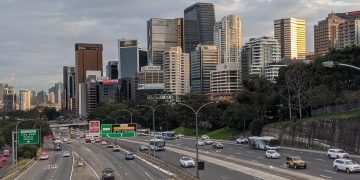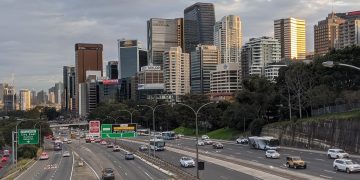
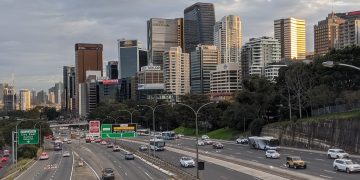



















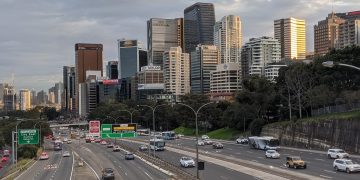
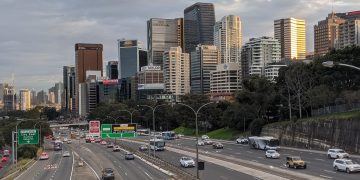


















For years the conversation about automation in Australia fixed on factories, warehouses and the long-haul trucking routes that connect them. The assumption was that robots came for manual labour first, and that the people tapping away at spreadsheets in air-conditioned offices were safe. A fresh look at how artificial intelligence is spreading through the workforce turns that comfortable picture on its head, and it does so suburb by suburb across Sydney.
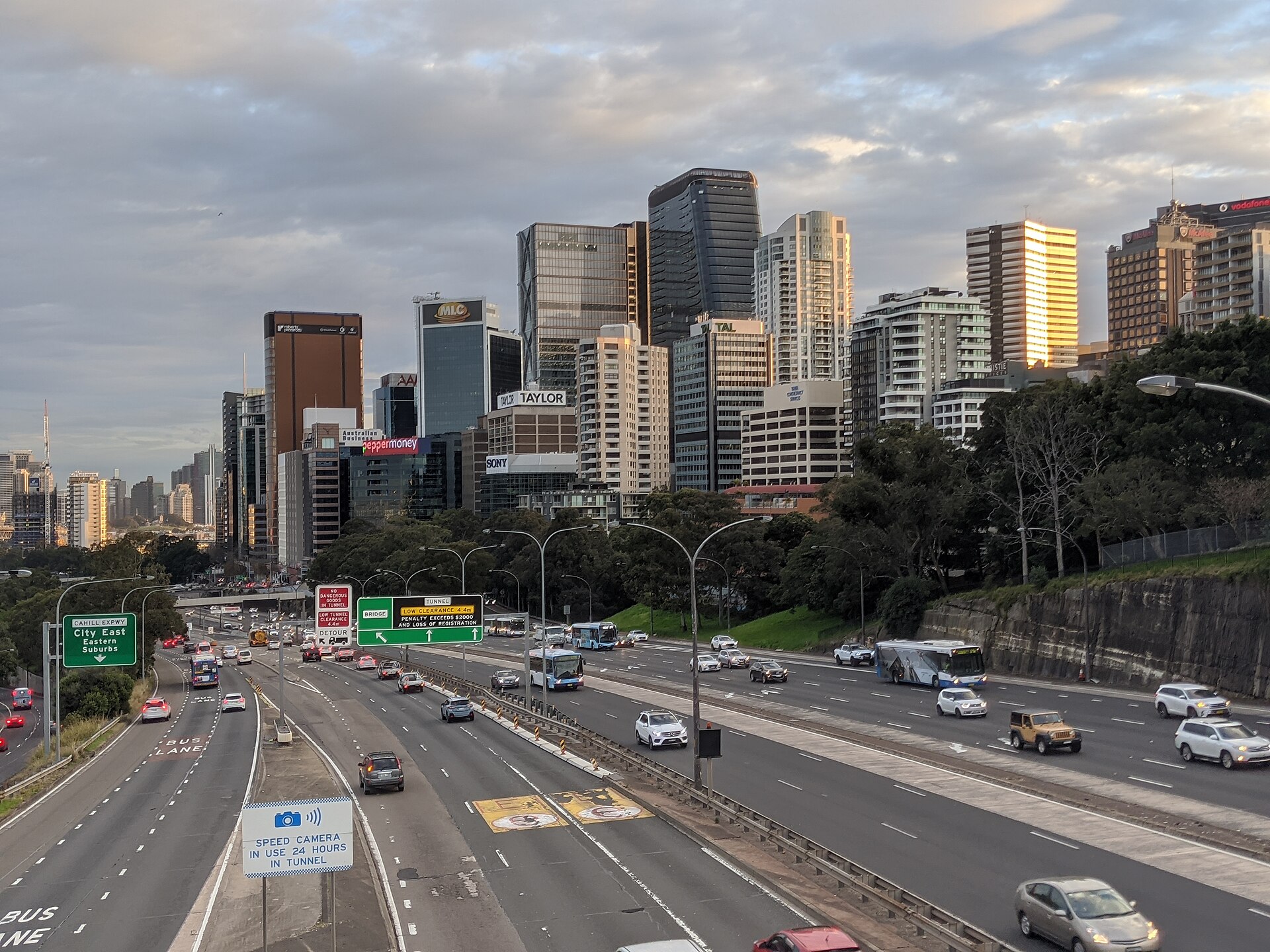
A new analysis published by the Sydney Morning Herald maps which parts of the city are most exposed to disruption from generative AI, and the answer upends the usual geography of economic anxiety. The suburbs carrying the highest concentration of jobs that AI can plausibly do, whole or in part, are not the ones struggling on the fringes. They are the professional heartlands: the inner city, the lower north shore and the pockets of concentrated office work where lawyers, accountants, analysts, administrators and marketers cluster.
Why the exposure follows the money
The logic is straightforward once you stop thinking of AI as a machine that lifts and carries. Today’s large language models are strongest at exactly the tasks that fill a professional’s day: drafting documents, summarising reports, writing code, crunching data, answering routine queries and producing a first pass at almost any piece of written work. Those tasks are densely packed into white-collar occupations, and white-collar occupations are densely packed into particular postcodes.
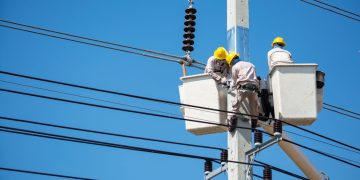
That means exposure, at least on paper, rises with income and education rather than falling with it. Suburbs full of knowledge workers are, by this measure, more exposed than suburbs built around trades, caring work, hospitality or logistics, where the job still demands a physical presence and a human pair of hands. A plumber, an aged-care worker or a childcare educator is, for now, much harder to automate than a mid-level analyst whose output arrives as a Word document.
It is worth being precise about what exposure means here, because the word does a lot of heavy lifting. Exposure is not the same as job loss. A role being exposed to AI simply means a meaningful share of its tasks could be performed or sped up by the technology. Whether that translates into fewer jobs, the same number of better-paid jobs, or simply more work squeezed out of each worker is the open question, and it is the question that matters most for the families living in these suburbs.
Two ways to read the map
One reading is bleak. If firms decide that one skilled person armed with AI can do the work of three, the professional middle class that has underwritten Sydney’s property prices and its consumer economy could face a slow squeeze. Graduate hiring is an early warning sign worth watching, because entry-level roles tend to involve precisely the repetitive drafting and research tasks that AI handles well. If the bottom rung of the career ladder thins out, the long-term cost falls on young workers who never get the chance to build judgement the hard way.
The more optimistic reading leans on history. Every wave of office technology, from the typewriter to the spreadsheet to email, was forecast to gut clerical employment, and each time the number of office workers grew rather than shrank because the tools expanded what a business could attempt. On this view, AI exposure in a suburb is less a death sentence than a signal of where productivity gains, and potentially new kinds of work, will land first. The economists who take this line argue that the technology augments skilled workers rather than replacing them, lifting output and freeing people for the parts of the job that still need a human.
The honest answer is that nobody yet knows which reading will dominate, and it may well differ by profession. A contract lawyer and a junior copywriter sit in the same exposed category but face very different futures depending on how much of their value lives in judgement, relationships and accountability rather than raw output.
What it means for Australia
Sydney is the test case, but the pattern is national. Canberra, with its enormous concentration of policy and administrative roles, is arguably the most exposed city in the country by this logic. Melbourne’s professional-services core, Brisbane’s growing corporate base and the clustered knowledge economies of Perth and Adelaide all share the same shape. Wherever white-collar work clusters, exposure clusters with it.
That has implications well beyond individual careers. If disruption concentrates in high-income suburbs, the flow-on effects reach the state governments that depend on payroll tax and stamp duty, the retailers and cafes that live off professional spending, and the mortgage market that has been priced on the assumption that these jobs are stable and lucrative. It also complicates the standard political response to automation, which has long been to tell displaced workers to retrain for office jobs. If the office itself is in the firing line, that advice needs rethinking.
The findings sit alongside broader national estimates that AI could add tens of billions of dollars to the Australian economy over the coming decade, a gain that only materialises if the workforce adapts rather than resists. The uncomfortable truth buried in the suburb-level map is that the gains and the pain may land in the same places, and that managing the transition will be as much a question of fairness as of productivity.
What’s next
Expect the exposure debate to sharpen as the next round of corporate earnings and hiring data comes through, because that is where talk of automation turns into measurable decisions about headcount. Watch the entry-level market closely, watch how professional bodies in law, accounting and finance respond, and watch whether governments move from encouraging AI adoption to cushioning its effects through retraining and income support.
For the knowledge workers of Sydney’s most exposed suburbs, the practical takeaway is neither panic nor complacency. The people who thrive are likely to be the ones who learn to direct these tools rather than compete with them, and who double down on the judgement, trust and human relationships that no model can yet replicate. The map tells you where the pressure is building. What each suburb does with that warning is still up for grabs.
Sources: The Sydney Morning Herald.