

















































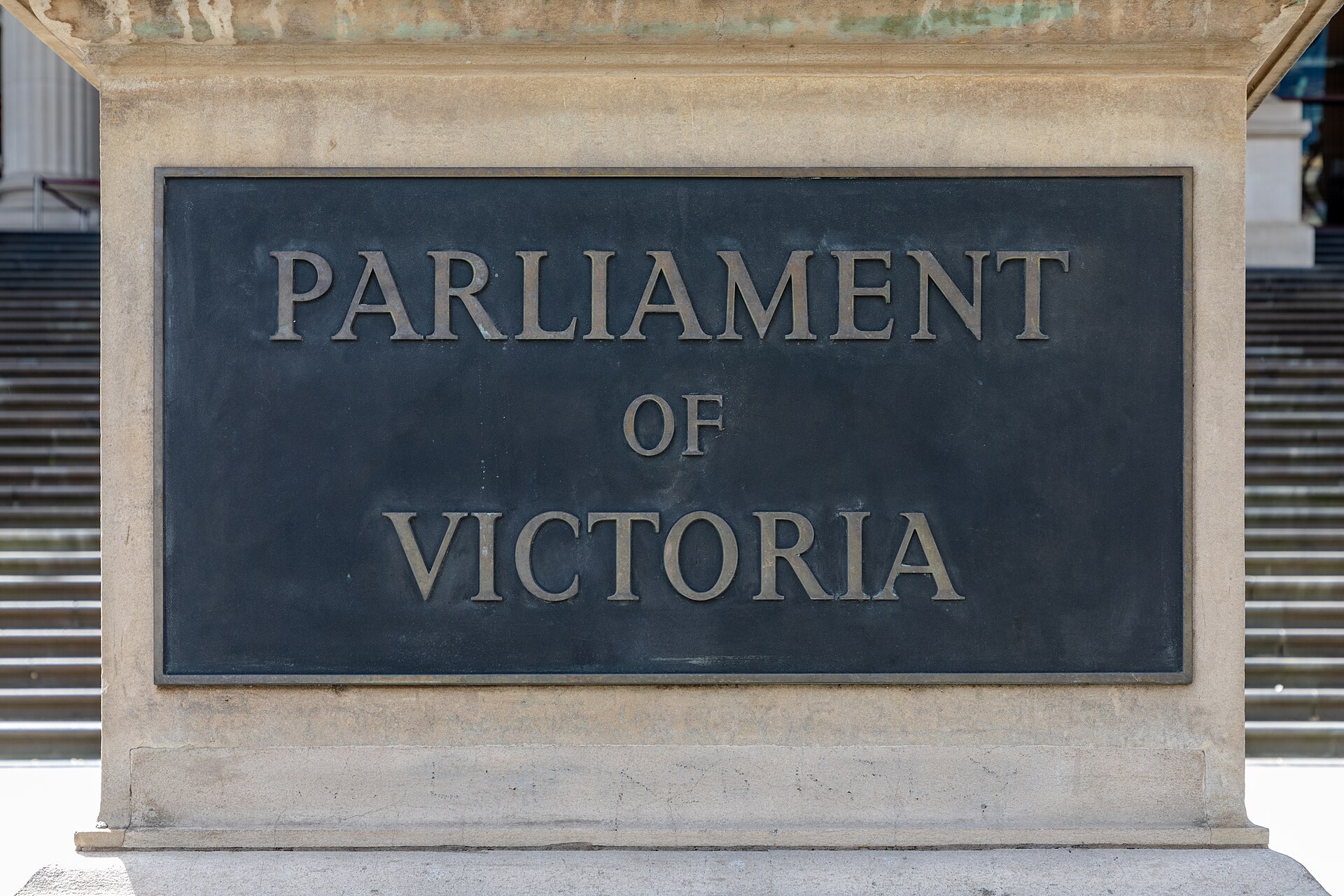
Victoria is preparing to legislate on two of the most contested areas of modern technology policy at once, with the state government signalling plans for new laws covering artificial intelligence and social media. The move, first reported by Capital Brief, would put the state in unusual territory, given that both AI safety and online platforms have largely been treated as matters for the Commonwealth.
The detail of what Victoria intends to legislate remains thin, and the government has yet to release exposure drafts or a formal consultation paper. What is clear is the direction of travel. After a period in which state governments largely deferred to Canberra on digital policy, Victoria is now positioning itself to act in its own right, a shift that carries implications for businesses, schools, public agencies and families across the state.
Why a state is stepping in
The backdrop to Victoria’s move is a federal agenda that has advanced quickly but unevenly. The Commonwealth has passed a minimum-age requirement for social media accounts, aimed at keeping under-16s off the major platforms, and has spent much of the past two years consulting on how to regulate high-risk uses of artificial intelligence. Yet a comprehensive national AI Act of the kind seen in the European Union does not yet exist, and much of the Australian approach still relies on voluntary standards, existing consumer and privacy law, and sector-specific rules.
That gap creates room for states to move. Victoria already runs its own public sector, health system, courts, transport network and school system, all of which are rapidly adopting AI tools, and all of which sit largely outside direct Commonwealth control. Legislating at the state level allows a government to set rules for how its own agencies deploy automated decision-making, how schools handle generative AI, and how local platforms and services treat young users, without waiting for national consensus.
Social media adds a further layer. While the age-verification framework is federal, the harms that flow from platforms, including bullying, image-based abuse and exposure to violent or explicit material, land squarely on state services such as police, child protection and public health. Victoria has a direct interest in the outcomes even where it does not hold all the legislative levers.
Two ways to read the move
Supporters of state action argue that Canberra has been too slow, and that waiting for a perfectly harmonised national scheme means leaving real harms unaddressed in the meantime. On this view, a state that legislates for its own agencies and public institutions can set a practical example, test approaches that the Commonwealth might later adopt, and give Victorian citizens protections that do not currently exist. Advocates for stronger online safety measures have consistently argued that the pace of technological change is outrunning the pace of regulation, and that governments willing to act should do so.
The counter-argument is about fragmentation. Business groups and technology companies have long warned that a patchwork of state-by-state rules is one of the worst outcomes for a country the size of Australia. A firm building an AI product in Melbourne that also sells into Sydney, Brisbane and Perth could face different obligations in each jurisdiction, driving up compliance costs and creating legal uncertainty. Industry bodies have repeatedly pressed for national consistency on digital regulation, and any sign of divergence between the states and the Commonwealth is likely to reignite that concern.
There is also a constitutional question lurking beneath the surface. Where state and federal laws overlap and conflict, the Commonwealth law generally prevails. That means Victoria will need to draft carefully to stay within its own areas of responsibility, focusing on matters such as its public sector, state services and areas not already occupied by federal legislation, rather than attempting to regulate the global platforms directly.
What it means for Australia
Victoria’s move matters well beyond its own borders because of the state’s size and influence. It is home to roughly a quarter of the national population and a large share of the country’s technology, health and education sectors. Rules made in Melbourne have a way of becoming de facto national standards, simply because so many organisations operate across state lines and prefer to build to the strictest regime they face.
For the AI industry, the signal is that regulation in Australia is no longer solely a Canberra story. Companies that have been tracking the federal consultations now have a second front to watch, and startups in particular will be alert to whether new obligations fall on smaller developers or are targeted at large, high-risk deployments. The distinction between regulating AI as a product and regulating how governments use AI on citizens will be central to how the Victorian laws are received.
For schools and public agencies, the practical questions are immediate. Teachers are already grappling with generative tools in classrooms, and hospitals, courts and transport bodies are trialling automated systems. Clear state rules could give those institutions the confidence to adopt technology responsibly, or, if drafted poorly, could slow useful projects while lawyers work out what is permitted.
The social media dimension also feeds into an intensely emotional national debate. Australian families, police and educators have watched a steady stream of cases involving explicit AI-generated material, online abuse and platform harms, and there is strong public appetite for governments to be seen to act. A state government that legislates in this space is responding to genuine community pressure, even as the practical enforcement questions remain difficult.
What happens next
The key test will be the detail. Until Victoria publishes draft legislation or a consultation paper, it is impossible to say how far the new laws will reach, who they will bind, and how they will interact with the federal framework. Watch for whether the government frames the changes primarily as governance of its own agencies, which is well within its powers, or as a broader attempt to regulate platforms and AI developers, which would invite tougher constitutional and industry scrutiny.
Also worth watching is how Canberra responds. The Commonwealth has made clear it wants national consistency on both AI and online safety, and a prominent state moving first could either prompt closer cooperation or open a period of friction between the two levels of government. For businesses, the safest assumption for now is that the regulatory environment in Australia is getting more complex, not less, and that the rules made in Melbourne will be worth reading closely.
Sources: Capital Brief.


