

















































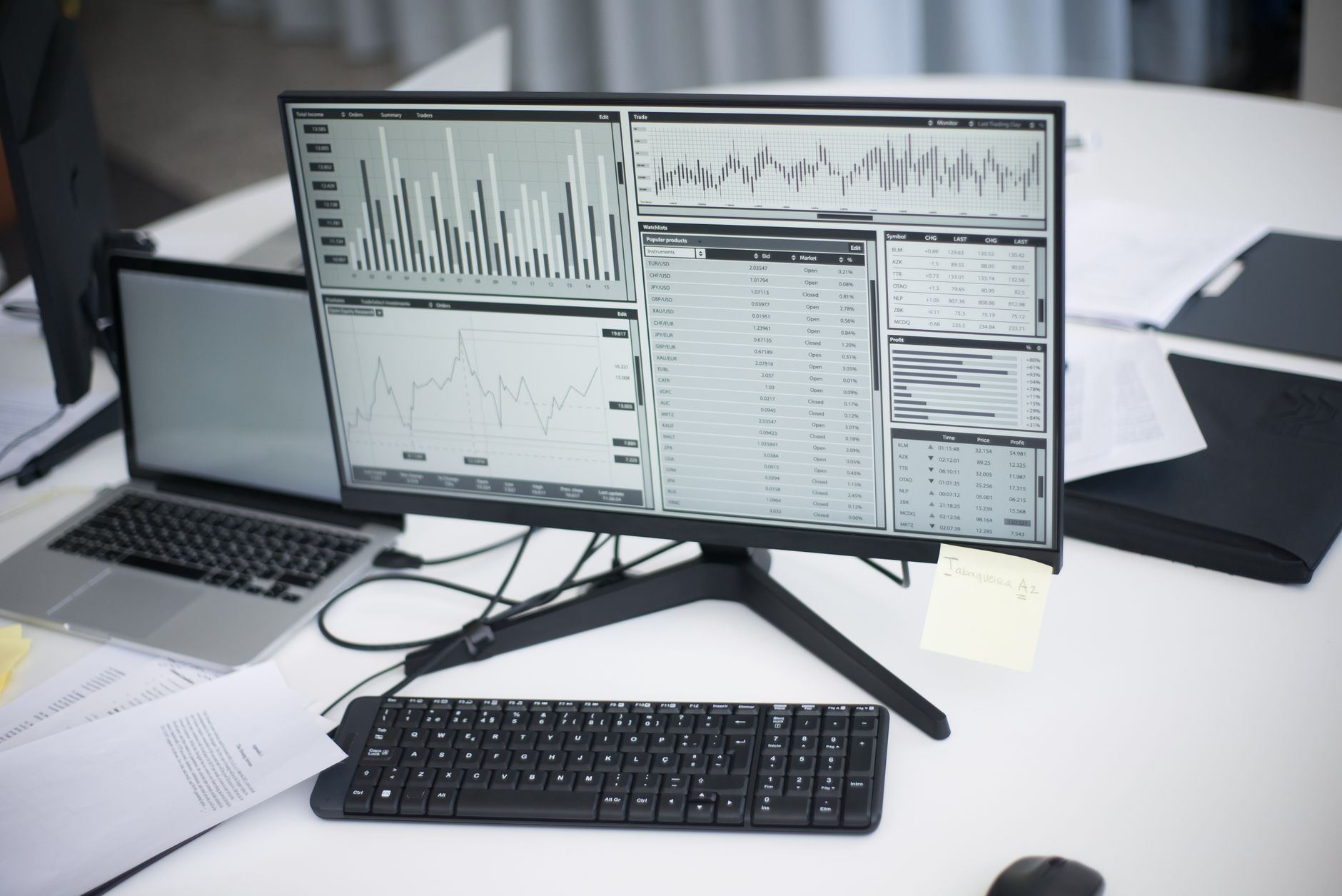
There is a moment in every technology cycle when the euphoria of adoption collides with the arrival of the invoice. For corporate Australia, that moment has come for artificial intelligence, and it is arriving in the form of a genuine bill shock. The signal that the mood has changed is small but telling: according to Australian FinTech, the chief executive of one of the country’s biggest banks has taken to running an AI token tracker on his own laptop, keeping an eye on exactly how much the machines are consuming as they churn through work.
When a leader at that altitude starts watching the meter personally, it tells you the enterprise AI story has entered a new chapter. The first chapter was about permission, getting staff to use the tools at all. The second is about cost, and about a much thornier question that most boards have not yet worked out how to answer: what are we actually getting for the money?
From adoption to accountability
For the past two years the internal scoreboard at most large Australian organisations has measured one thing above all others, and that is usage. How many employees have logged in, how many prompts they are sending, how many tokens are flowing through the models. Vendors love these numbers because they climb reliably, and executives have leaned on them because they look like progress. A chart that only goes up is a comforting thing to put in front of a board.
The problem, as the bill shock is now making plain, is that usage and value are not the same thing. A token is simply a unit of text the model reads or writes, and every one of them carries a price. High consumption can mean a workforce is genuinely more productive, or it can mean staff are asking the same question five different ways, feeding enormous documents into a model that only needed a paragraph, or leaving expensive automated agents running in the background with nobody checking the output. Usage measures activity. It does not measure whether the activity was worth doing.
This is the uncomfortable insight the AI bill is forcing on Australian management. Spending has become easy to see, because it lands on a monthly statement. The benefit remains stubbornly hard to pin down, because it hides inside faster reports, tidier code, quicker customer responses and a dozen other soft gains that resist a clean dollar figure. When the two are placed side by side, the gap between confident productivity claims and demonstrable return is suddenly very awkward to explain.
Two ways of reading the meter
There are broadly two camps forming in Australian boardrooms, and both have a reasonable case. One school treats rising usage as a proxy for cultural change. On this view, getting an entire workforce comfortable with AI is the hard part, and heavy consumption is evidence that the habit has taken hold. Choke the spending now, the argument runs, and you kill the experimentation that eventually produces the breakthroughs. Better to let usage run, learn where the value sits, and worry about efficiency once people know what they are doing.
The other camp, which the token-tracking bank boss clearly belongs to, is losing patience with activity as a substitute for outcomes. This group wants to see the line between what the technology costs and what it changes. It is asking teams to attach AI to specific processes with measurable before-and-after numbers, whether that is hours saved on a task, error rates cut, or work that no longer needs to be outsourced. In this reading, an unmanaged token bill is not a sign of a thriving AI culture. It is a sign that nobody has bothered to do the maths.
Both instincts can be right at once, which is what makes the problem hard. Cutting spending too early can strangle genuine learning, while letting it run unchecked can bankroll a great deal of expensive busywork. The task for Australian executives is not to pick a side but to build the plumbing that tells them which of the two is actually happening inside their own walls, and most of them do not have it yet.
What it means for Australia
This is not an abstract debate for the local economy. The Reserve Bank and the federal government have both hung a good deal of hope on AI as the answer to Australia’s long productivity slump, and the Treasurer has repeatedly framed the technology as central to lifting living standards. If the national productivity case rests on AI, then the way individual firms measure AI matters enormously, because a country cannot bank a gain it cannot actually see.
Australian banks, insurers and telcos are among the heaviest enterprise adopters in the region, and they are also among the most heavily regulated, which means their spending is scrutinised more closely than most. If the biggest and best-resourced institutions in the country are still struggling to connect their AI bills to hard results, it is a fair bet that smaller firms further down the food chain, with leaner budgets and thinner data teams, are further behind again. That gap is where a lot of quiet money is currently being burned.
There is a competitive edge to this too. Overseas rivals face exactly the same measurement puzzle, so the Australian companies that crack it first will hold a real advantage. Working out how to spend on AI where it genuinely pays, and how to stop spending where it does not, is fast becoming a management discipline in its own right rather than a technical one.
What comes next
The likely response over the next year is a wave of far more disciplined measurement. Expect finance teams to demand AI budgets broken down by business unit and use case, expect chief information officers to be asked for return figures they cannot currently produce, and expect the vanity metric of total usage to quietly fall out of favour in board packs. The token tracker on the chief executive’s laptop is a prototype of where governance is heading, even if the crude tool itself is only a starting point.
The deeper shift is philosophical. Australian organisations spent the early AI years asking how to get people to use the technology. The harder and more valuable question, the one the bill shock is now forcing into the open, is how to tell whether that use is doing any good. Answering it honestly will separate the firms that got a real productivity dividend out of AI from the many that simply paid for a very expensive habit.
Sources: Australian FinTech


