















































The artificial intelligence build-out is usually described in terms of chips, models and cloud contracts, but underneath all of it sits a far more physical problem: the metal and the power needed to make it work. As hyperscalers race to stand up new data centres, the electricity they consume, and the vast networks of cabling, transformers and cooling gear that feed them, are placing fresh strain on global metals markets. For a country that digs up a sizeable share of the world’s copper, lithium, nickel and aluminium feedstock, that strain lands close to home.
A new analysis published by Australian Resources & Investment argues that the AI power boom is becoming one of the defining pressures on metals supply this decade. The logic is straightforward even if the scale is not. Data centres need reliable, round-the-clock electricity, and the grids that carry it run on copper and aluminium. Every new substation, transmission line and server hall adds to a demand curve that was already climbing because of electric vehicles and the broader energy transition.
Why metal, not just megawatts
Copper is the clearest example. It is the workhorse of electrification, prized for its conductivity and used in everything from grid cabling to the dense wiring inside a server rack. Analysts have spent the past two years warning that the world is heading toward a structural copper deficit as mine supply struggles to keep pace with electrification. AI data centres add a new and fast-growing claim on that same tonnage, and unlike a car or a rooftop solar system, a hyperscale facility can draw as much power as a small city.
Aluminium and steel feed the same story through buildings, busbars and structural framing, while the critical minerals basket, lithium, nickel, cobalt, rare earths and the rest, underpins the batteries and backup systems that keep these facilities running when the grid wobbles. The International Energy Agency has repeatedly flagged that electricity demand from data centres, AI and crypto could roughly double over the second half of this decade, and that kind of growth does not happen without a matching lift in the metals that build and power the infrastructure.
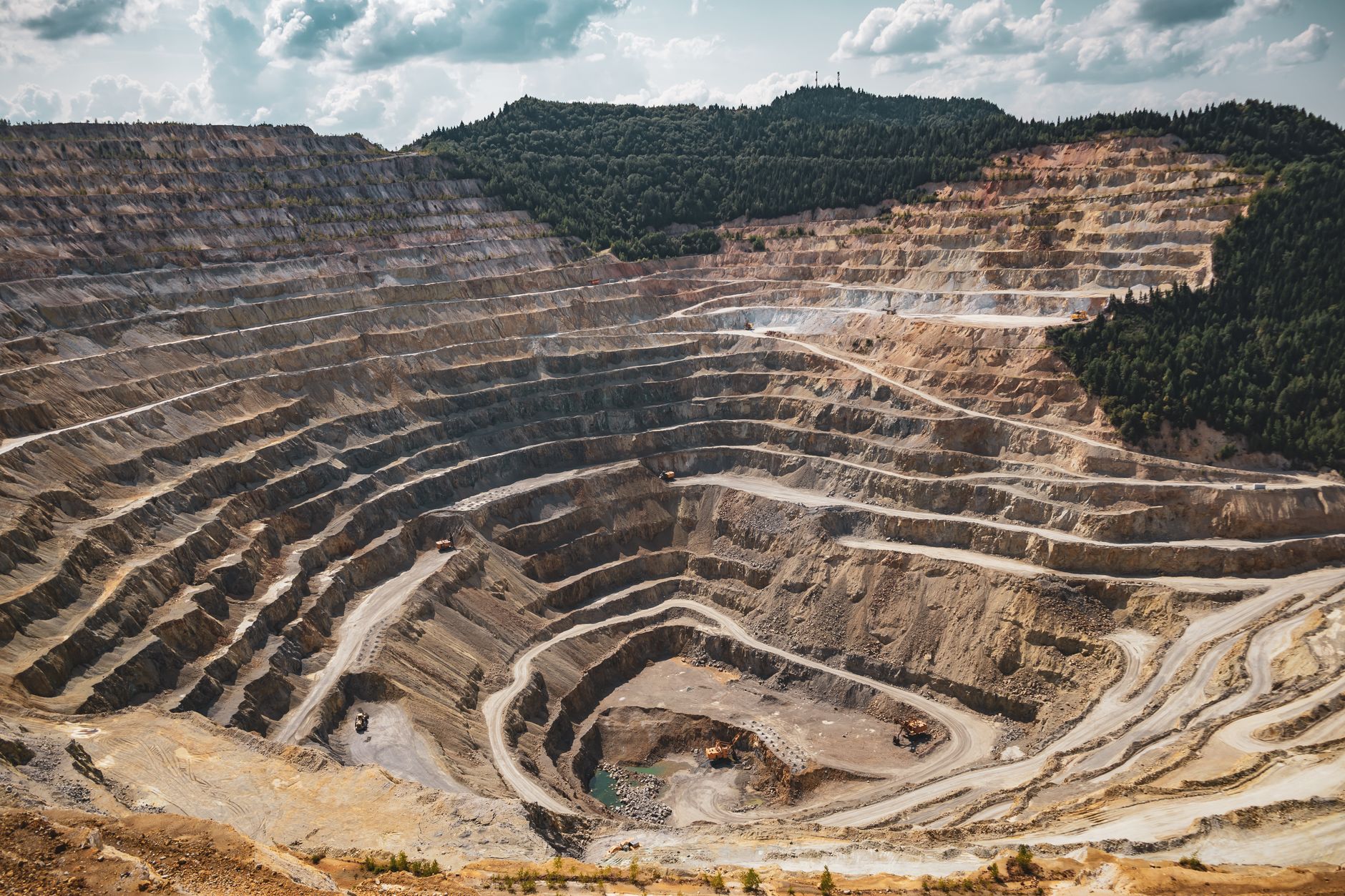
The supply side is the hard part. New mines take years, sometimes more than a decade, to move from discovery to production, and the easy, high-grade deposits were found long ago. That mismatch between fast-moving demand and slow-moving supply is exactly what tends to push prices up and send buyers hunting for secure, long-term sources.
Two ways to read it
There are competing views about what this means. The bullish case, favoured by much of the mining sector, is that AI has handed resources producers a durable new demand story on top of the energy transition. In this reading, structurally higher prices justify the capital needed to open new mines and expand existing ones, and countries with stable jurisdictions and large reserves stand to benefit for years.
The more cautious view is that the enthusiasm risks running ahead of reality. Commodity cycles have a long history of overshooting, and some of the AI power forecasts rest on assumptions about data-centre build rates that may not hold if model efficiency improves or if capital tightens. Sceptics also point out that permitting delays, water constraints, community opposition and grid bottlenecks can blunt even the best resource endowment. A deposit in the ground is not the same as metal in the market, and the gap between the two is where a lot of optimism has gone to die in previous booms.
Both camps agree on one thing, though: the demand signal from AI is real, and it is arriving on top of an electrification trend that was already stretching supply chains thin. The disagreement is about magnitude and timing, not direction.
What it means for Australia
For Australia, the stakes are unusually direct. The country is among the world’s largest producers of lithium, iron ore, bauxite and alumina, a significant copper and nickel producer, and the holder of substantial rare earth and critical mineral reserves that governments in Canberra and overseas are keen to see developed outside a single dominant supplier. If AI-driven power demand does firm up metals prices over the long run, Australian miners sit squarely in the path of that tailwind.
The federal government has already tied much of its industrial strategy to this moment. The Future Made in Australia agenda and the critical minerals production incentives are built on the bet that the world will pay a premium for secure, responsibly sourced metals, and AI data-centre demand strengthens that argument. Domestically, the same build-out is playing out on Australian soil, with large data-centre projects such as the recently financed Western Sydney developments drawing their own heavy draw on copper, steel and, crucially, grid capacity.
That last point is the catch. Australia is not just a supplier to the global AI boom, it is also a consumer, and the local grid faces the same pressures as everyone else’s. Powering a growing fleet of domestic data centres while exporting the metals that power everyone else’s will test both the National Electricity Market and the pipeline of transmission projects meant to support it. The mining sector itself is a major electricity user, so higher demand and higher power costs cut in more than one direction.
What’s next
The near-term signals to watch are copper prices, final investment decisions on new Australian mines, and the pace of data-centre approvals both here and in the major markets. Project developers will be looking for long-term offtake certainty before committing capital, and the critical minerals incentives will be tested on whether they can actually shorten the lag between a discovery and a working mine.
If the AI power boom holds, the resources sector gets a demand story that could run for a decade, and Australia is well placed to supply it. If the forecasts prove too hot, the risk is a round of overbuilding followed by the familiar correction. Either way, the link between the digital economy and the dirt it is built on has rarely been so visible, and the metals question is no longer a sideshow to the AI story. It is part of the main event.
Sources: Australian Resources & Investment.


