

















































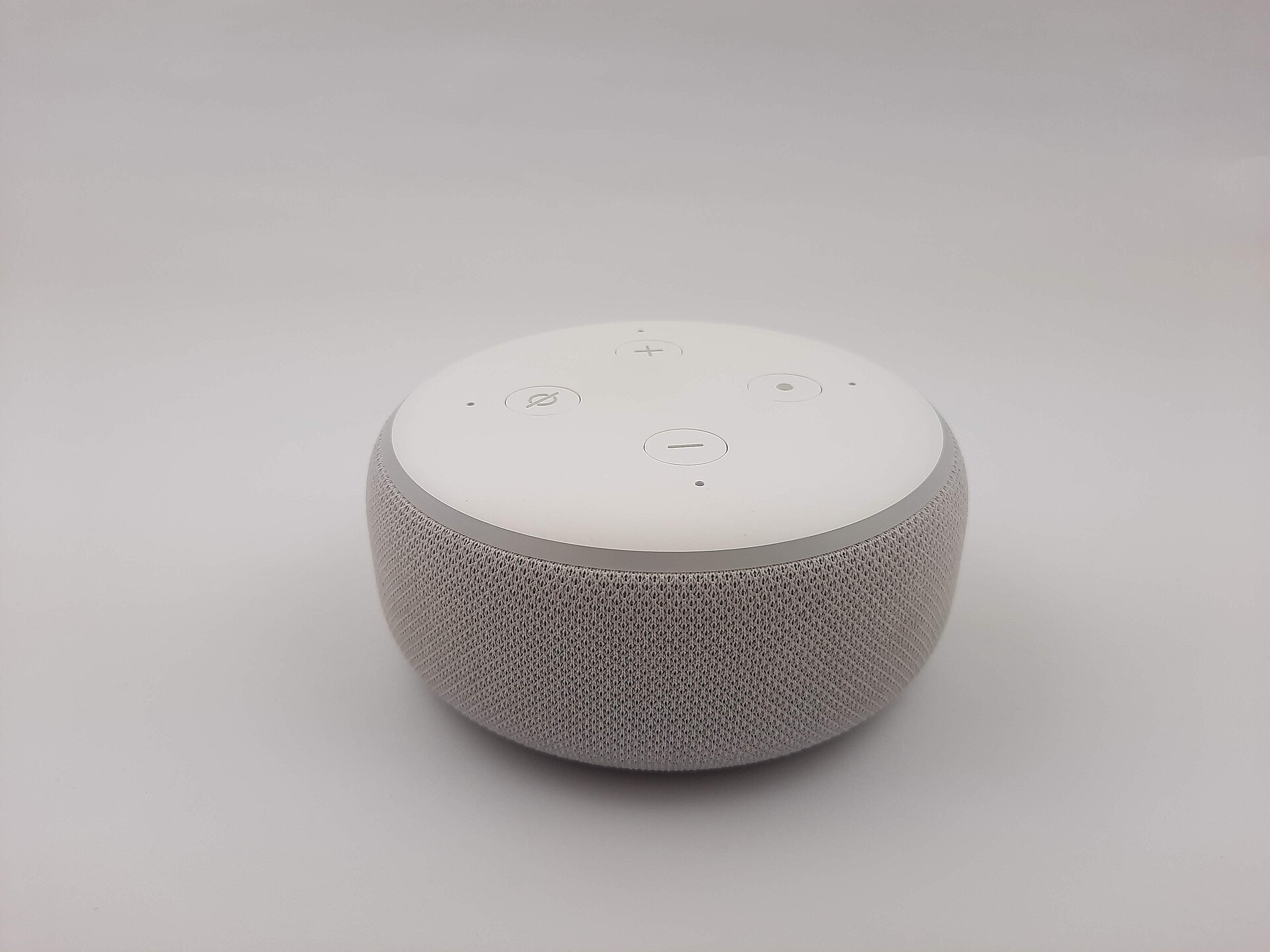
For more than a decade the voice assistant has been one of technology’s great unfulfilled promises. We bought the speakers, put them on the kitchen bench, and then used them to set kitchen timers, play music and, if we were feeling adventurous, ask about the weather. The dream of a genuinely capable digital helper always seemed to sit just over the horizon. Amazon is now betting that generative AI can finally close that gap, and Australians are among the first outside the United States to test the theory.
The company has begun rolling out early access to Alexa+, a ground-up reinvention of its assistant that swaps the old command-and-response model for something closer to a conversation. According to 7News, local users can request access at no additional cost, with the upgraded assistant folding in the kind of large language model smarts that have reshaped consumer software since ChatGPT arrived.
What has actually changed
The original Alexa, launched in 2014, was built around rigid intents. You learned the magic phrases, and if you strayed from them the assistant fell over. Alexa+ is designed to work the other way around, understanding messy, natural speech and holding context across a conversation rather than treating every request as a fresh start. You can trail off, change your mind halfway through a sentence, or refer back to something you said a moment earlier, and the assistant is meant to keep up.
The headline hook for the Australian launch is linguistic. Amazon is pitching Alexa+ as an assistant that grasps local idiom, the slang and shorthand that have historically tripped up voice tech built and trained overseas. Ask it something in the way you would ask a mate, the argument goes, and it should follow along rather than politely announcing that it did not understand. For a country whose vernacular has long baffled autocorrect and dictation software, that is a meaningful selling point, even if it is one that will be judged in practice rather than in press releases.
Beyond the accent tricks, the redesigned assistant is meant to handle more genuinely useful work: managing smart-home routines through plain description rather than rigid setup, summarising and drafting, keeping track of household logistics, and stitching together multi-step tasks that the old Alexa could not attempt. The move mirrors a broader industry pivot, with Google reworking its Assistant around the Gemini models and Apple retooling Siri, as every major platform races to graft conversational AI onto the devices already sitting in people’s homes.
The case for and against
The optimistic view is straightforward. Voice is the most natural interface humans have, and until now the technology simply was not good enough to make it worthwhile. If generative AI delivers even part of what is promised, the smart speaker gathering dust on the shelf could become a genuinely useful part of daily life, especially for older Australians, people with disabilities and anyone who finds tapping through apps a chore. A hands-free assistant that actually understands you has obvious appeal in a busy household.
The sceptics have earned their scepticism. Amazon has a long history of overpromising on Alexa, and the division has reportedly haemorrhaged money for years despite selling hardware at or below cost. Generative AI also brings its own baggage. These systems confidently invent answers, a behaviour the industry politely calls hallucination, and an assistant that gets your calendar or your shopping list subtly wrong is arguably worse than one that simply admits defeat. There is also the question of whether people who abandoned voice assistants years ago can be coaxed back, and whether a chattier Alexa is a feature households want or an intrusion they tolerate.
Privacy sits underneath all of it. A more capable assistant is, by design, a more attentive one, and the trade-off for natural conversation is a system with deeper access to the rhythms of your home. Amazon has faced scrutiny in the past over how Alexa recordings were stored and reviewed, and a more powerful, cloud-reliant assistant will invite fresh questions about what is captured, where it is processed and how long it is kept.
What it means for Australia
The local stakes are more than novelty. Australia has been an early testing ground before, and being near the front of the Alexa+ rollout means Australian households are effectively helping Amazon refine the product. That is a double-edged position. It gives locals early access to cutting-edge consumer AI, but it also means Australian speech patterns, home layouts and daily habits become part of the training and tuning process.
That lands squarely in the middle of an active policy debate. The federal government has spent much of the past year weighing how far to go in regulating AI, including proposals for mandatory guardrails on high-risk systems, while the Office of the Australian Information Commissioner has been sharpening its focus on how personal data feeds AI products. An always-listening, cloud-connected assistant in millions of kitchens is exactly the kind of everyday deployment that will test whether consumer protection and privacy frameworks built for an earlier era of technology still hold. Australian regulators have also shown a growing appetite for scrutinising the pricing and bundling of AI features by global platforms, a pattern already visible in the attention paid to Microsoft’s Copilot.
There is a competitive dimension too. Alexa+ arrives as Australian businesses and consumers are being pitched AI assistants from every direction, from banks trialling agentic tools to enterprise software vendors embedding copilots in everything. A polished, mass-market voice assistant that genuinely works would raise the baseline expectation for what these systems should do, and put pressure on local developers building for the same audience.
What is next
The honest answer is that the verdict rests on daily use. Early access means the rollout is staged and the experience will keep changing as Amazon iterates, so first impressions should be treated as exactly that. The questions worth watching are whether the slang-savvy claims hold up against real Australian households, whether Amazon can keep the assistant useful without becoming intrusive, and how the free early-access model eventually turns into a business, given the well-documented losses in the division.
For now, Australians curious enough to opt in get a front-row seat to one of the biggest bets in consumer AI. Whether Alexa+ finally delivers the assistant we were promised in 2014, or joins the long list of voice-tech disappointments, will be decided one kitchen-bench conversation at a time.
Sources: 7News.