







































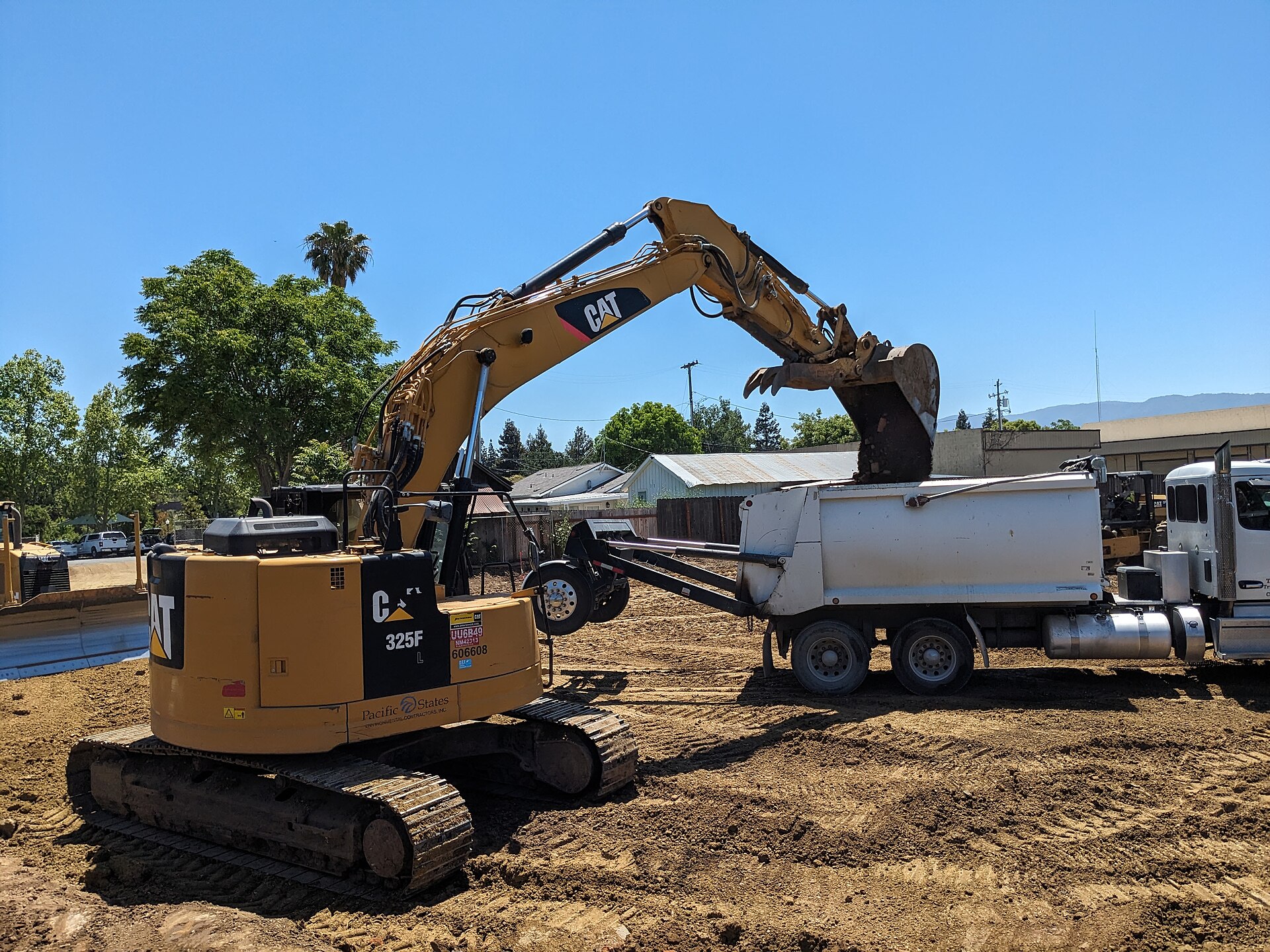
When the world’s largest maker of yellow iron tells investors that its best quarter on record was powered by demand for artificial intelligence, it is worth paying attention, even from the other side of the Pacific. Caterpillar, the century-old American manufacturer whose bulldozers, excavators and generator sets are a fixture on job sites and mine benches from the Pilbara to Peru, has just delivered a set of numbers that reframe how heavy industry is thinking about the AI era. The machines that pour the concrete, dig the trenches and, crucially, keep the power flowing to data centres are suddenly one of the hottest trades in the market.
The company’s shares jumped more than six per cent after it reported quarterly revenue of roughly US$20.5 billion, a record for the business, with management pointing squarely at surging demand tied to the construction and powering of AI data centres. You can read the original coverage in the International Business Times Australia. What makes the result notable is not just the headline figure but the source of the growth. For a business long treated as a barometer of mining, housing and public works, the emerging story is energy: the diesel and gas generator sets, turbines and power systems that AI’s ravenous computing appetite requires.
Why a machinery maker became an AI stock
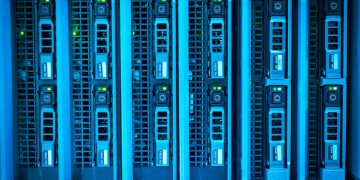
The logic is less exotic than it first sounds. Training and running large AI models happens inside data centres, and data centres run on electricity, vast and growing quantities of it. Grid connections in many markets cannot be built quickly enough to keep pace, so operators are turning to on-site and backup generation to bridge the gap. That is Caterpillar’s Energy and Transportation division, which supplies reciprocating engines, gas turbines and standby power. The company has effectively found itself selling picks and shovels into a gold rush it did not start, a dynamic Australian investors will recognise from earlier FluentSea coverage of local dealmakers chasing AI infrastructure plays.
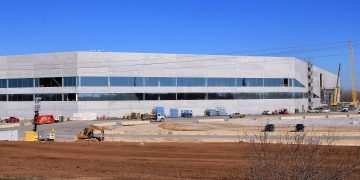
There is a construction dimension too. A hyperscale data centre is a heavy civil project before it is a technology asset, requiring earthmoving, foundations, cooling infrastructure and site works. That is core Caterpillar territory, and it feeds through the company’s dealer network of parts, servicing and financing. The result is a business exposed to AI at two points in the value chain, both when the shed is built and when it is powered.
Two ways to read the number
Bulls see a structural, multi-year tailwind. On this view the AI build-out is still early, capital spending commitments from the large cloud providers keep climbing, and the power bottleneck guarantees years of demand for exactly the equipment Caterpillar makes. A record quarter, in that framing, is a floor rather than a ceiling, and the stock’s re-rating simply reflects a market catching up to a genuinely changed demand picture.
The sceptics are harder to dismiss than the share price move suggests. Caterpillar remains deeply cyclical, and a single strong quarter driven by one theme can flatter a company whose traditional markets in construction and resources move in long, sometimes brutal cycles. If AI capital spending cools, or if grid upgrades eventually relieve the power crunch, the generator surge could prove a spike rather than a plateau. Investors have watched enough AI-adjacent names get bid up on narrative this year to be wary of paying peak multiples for peak earnings. The recent wobble in the broader AI trade, including the concerns over so-called circular financing that hit Nvidia shares, is a reminder that sentiment can turn quickly.
The Australian stakes
For Australia the read-through is direct, because this country is in the middle of its own data centre and energy build-out. Sydney and Melbourne are among the busiest data centre markets in the Asia-Pacific, and the pipeline of new capacity keeps growing as hyperscalers and sovereign AI projects commit to local facilities. Every one of those projects needs the same civil works, power systems and standby generation that just powered Caterpillar’s record quarter, which means the demand the company is describing is not an abstraction but something playing out in Western Sydney industrial estates and regional sites earmarked for compute.
It also lands on a grid already under strain. Australia’s energy transition is stretched between closing coal generators, a rapid renewables build and now a new source of enormous, always-on load. Data centres competing for grid capacity, or bypassing it with gas generation, raises hard questions for policymakers about emissions, energy security and who gets priority when supply is tight. FluentSea has reported on warnings that Australia risks economic strain if it does not build local AI capacity thoughtfully, and Caterpillar’s results are a concrete example of where the pressure shows up first, in the plumbing of power.
There is a resources angle too. Caterpillar’s mining division serves the very iron ore, copper and lithium operations that underpin the Australian economy, and AI’s hunger for copper in particular, for data centre wiring, power systems and electrification, feeds back into demand for the commodities Australian miners dig up. The company sits at an unusual intersection of two Australian obsessions, mining and the AI-driven infrastructure boom, which is part of why its results are more relevant here than a US industrial’s earnings might normally be.
What’s next
The key question is durability. Analysts will be watching whether the energy and data centre demand shows up again in coming quarters or fades as a one-off, and whether Caterpillar’s order backlog supports the optimism now priced into the shares. For Australian observers the more useful signal may be domestic: how quickly local data centre projects move from announcement to construction, how the power for them is sourced, and whether governments treat the load as a strategic asset to be planned for or a strain to be managed. Either way, a bulldozer maker’s best-ever quarter is an unlikely but telling marker of just how far the AI build-out now reaches into the physical economy.
Sources: International Business Times Australia.