





























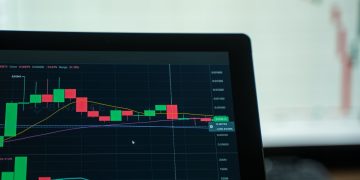




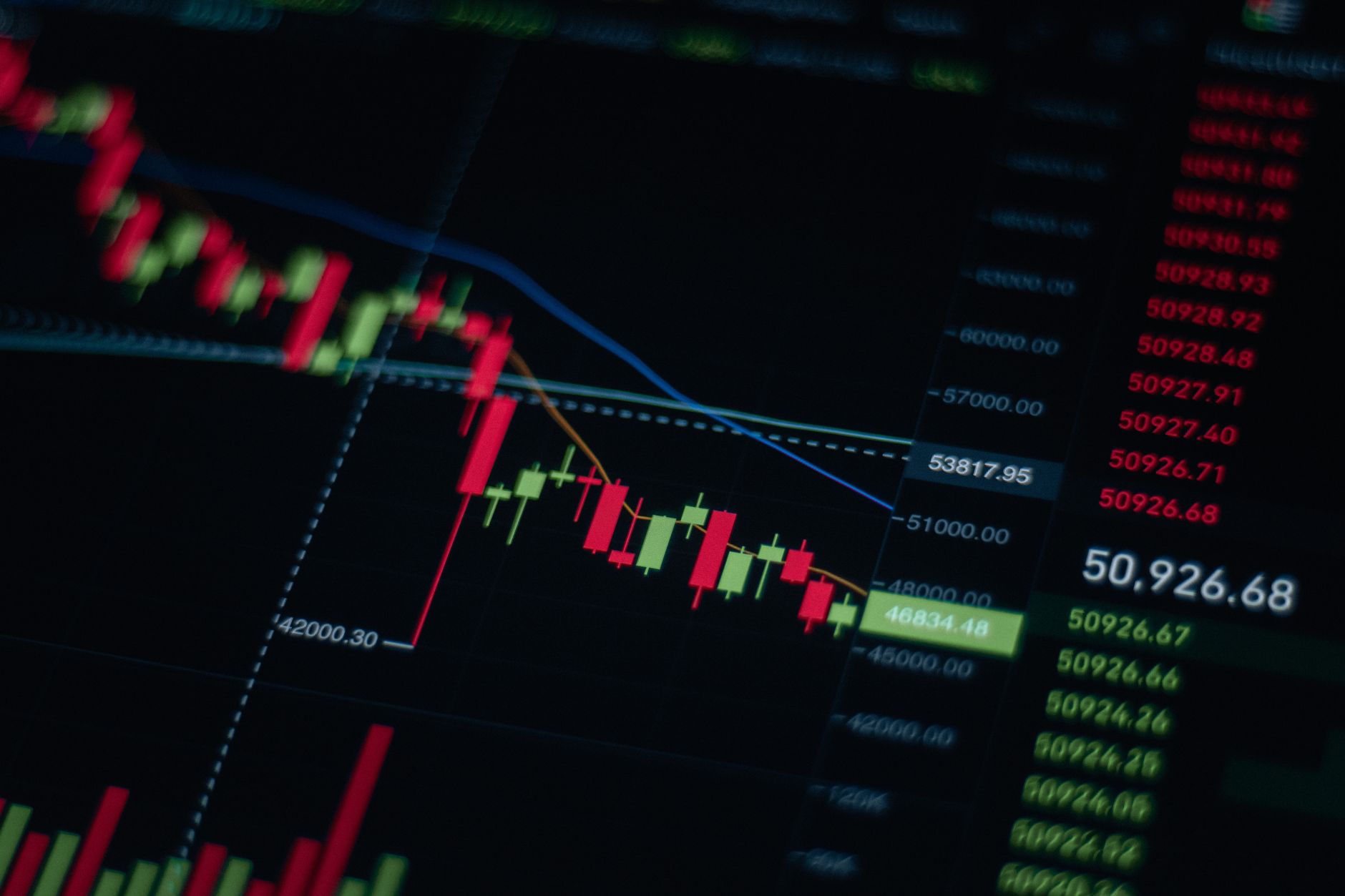
For the better part of a year, one word has hovered over every conversation about artificial intelligence in boardrooms and on trading desks: bubble. The valuations attached to a handful of American technology giants, the eye-watering sums being poured into data centres, and the circular deals in which chipmakers, model developers and cloud providers all seem to be funding one another have left plenty of seasoned investors uneasy. So when the chief economist of Australia’s biggest bank chose to step into that debate, people listened.
Speaking at the Australian Defence Industry Accelerator Summit, Commonwealth Bank chief economist Luke Yeaman talked down the risk that the current wave of AI investment is inflating into a bubble that is about to burst. As Cyber Daily reported, Yeaman used the platform to argue that the fundamentals sitting beneath the AI build-out are sturdier than the froth that preceded the dot-com collapse a generation ago.
Who is making the call, and why it carries weight
Yeaman is not a technology evangelist. He arrived at CBA from the Commonwealth Treasury, where he served as a deputy secretary working on macroeconomic and fiscal policy, and he now heads the economics team at an institution whose lending, deposits and payments flows give it an unusually detailed read on how the Australian economy is actually behaving. When someone in that seat says the bubble talk is overdone, it is a considered position rather than cheerleading, and it lands differently than the same message coming from a chief executive with a product to sell.
The distinction he appears to be drawing is between speculation and spending. In the late 1990s, a great many companies attracted enormous valuations on the strength of a business plan and a domain name, with little revenue and no clear path to profit. The present cycle looks different in at least one important respect: the largest buyers of AI infrastructure are among the most profitable companies on the planet, and much of the money is going into tangible assets, chips, buildings, power connections and networking gear, that will still be standing whatever happens to any single model developer. That does not make a correction impossible, but it changes the shape of the risk.
The case for caution
Plenty of respected voices remain unconvinced, and it would be a disservice to readers to present Yeaman’s view as the settled position. Sceptics point out that a handful of stocks now account for a startling share of the gains on Wall Street, which concentrates risk in a way that would ripple worldwide if sentiment turned. They note that a large slice of the projected demand for AI compute rests on revenue that has not yet materialised, and that vendor financing arrangements, where a supplier effectively bankrolls its own customers, have historically been a warning sign rather than a reassurance.
Australian commentary has picked up the same thread. The Australian Financial Review has run pointed analysis questioning whether the local AI boom is quite what it seems, and FluentSea has itself examined what has been dubbed the seven-trillion-dollar question hanging over the sector’s appetite for capital. The honest summary is that reasonable people are looking at the same numbers and reaching opposite conclusions, and Yeaman has planted his flag firmly on the optimistic side of that argument without pretending the risks have vanished.
Why a defence summit, of all places
The venue matters. The Australian Defence Industry Accelerator Summit brings together the companies and officials trying to translate emerging technology into sovereign capability, and AI sits close to the centre of that ambition. Autonomous systems, intelligence analysis, logistics optimisation and cyber defence all lean heavily on the same compute and models driving the commercial boom. For a defence audience, the practical question is not whether the AI story is a bubble on the Nasdaq, but whether the underlying technology is durable enough to build a decade-long capability program around. Yeaman’s message, that the foundations are real even if valuations get ahead of themselves, is precisely the reassurance that kind of long-horizon planning needs.
What it means for Australia
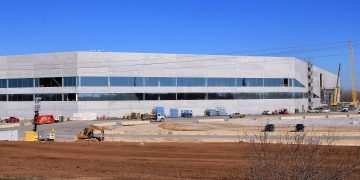
For Australia, the stakes in this debate are more than academic. The nation’s superannuation funds, which manage the retirement savings of millions of workers, hold sizeable positions in exactly the global technology names at the heart of the bubble question, so a sharp correction would be felt in balances far from Silicon Valley. At the same time, billions of dollars are being committed to data centres on Australian soil, straining the electricity grid and reshaping the property market, on the assumption that demand for AI compute keeps climbing. If Yeaman is right and the build-out is grounded in durable demand, those investments look prudent. If the sceptics are right, some of that capital could end up chasing a slowdown.
There is also a sovereignty dimension that gives his remarks extra resonance in Canberra. The federal government has been sharpening its AI agenda, standing up a national office and wrestling with questions of copyright, data centres and local capability. A view from a major bank that the AI investment cycle is fundamentally sound, rather than a speculative mania, strengthens the argument for Australia to keep building rather than waiting for the music to stop. It also raises the uncomfortable counter-question that has dogged the local conversation: whether Australia is genuinely building AI capability or merely hosting the infrastructure that others own and profit from.
What happens next
The bubble question will not be resolved by a single speech, and the coming months will supply the evidence either way. Earnings season will show whether the largest AI spenders are converting their outlays into revenue or simply deferring the reckoning. Interest rate settings, both here and in the United States, will shape how forgiving markets are of companies that are spending heavily today for returns promised tomorrow. And the pace of new data centre approvals across Australia will reveal whether local investors share Yeaman’s confidence or are quietly hedging.
For now, the head of economics at Australia’s biggest lender has offered a steadying counterpoint to the anxiety, arguing that history does not have to repeat and that this cycle rests on firmer ground than the last one. Whether that judgment holds up will be one of the defining economic stories of the next couple of years, and few countries have more riding on the answer than this one.
Sources: Cyber Daily.