



























Two of the biggest industrial stories of the decade, the shift to electric vehicles and the race to build artificial intelligence, are doing more than reshaping factories and data centres. They are rewriting the rich lists. A new class of billionaires is being minted on the back of batteries, chips and the compute that trains large language models, and a handful of Australian fortunes are being carried along on the same tide.
That is the picture painted by The Australian, which reports that the twin booms are creating fresh wealth at speed and pushing a new cohort onto the global ledger. The underlying dynamic is easy enough to trace. Investors have poured capital into anything touching AI infrastructure or the electrification supply chain, and paper valuations have followed. When a company’s share price triples in eighteen months, the founders and early backers who still hold big stakes see their net worth balloon, at least on paper.
Where the new money is coming from
The clearest driver is the demand for computing power. Training and running modern AI models requires vast fleets of specialised chips, the data centres to house them and the electricity to keep them running. The companies that supply those picks and shovels have been the biggest winners, and the ripple has spread to software firms, cloud providers and the private startups building on top of the models. The Forbes real-time billionaires list has been reshuffled repeatedly over the past two years as chip and AI fortunes have surged, with several founders vaulting up the rankings on the strength of a single hot sector.
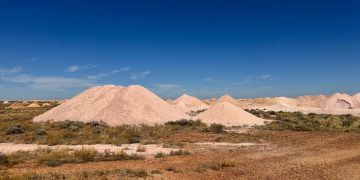
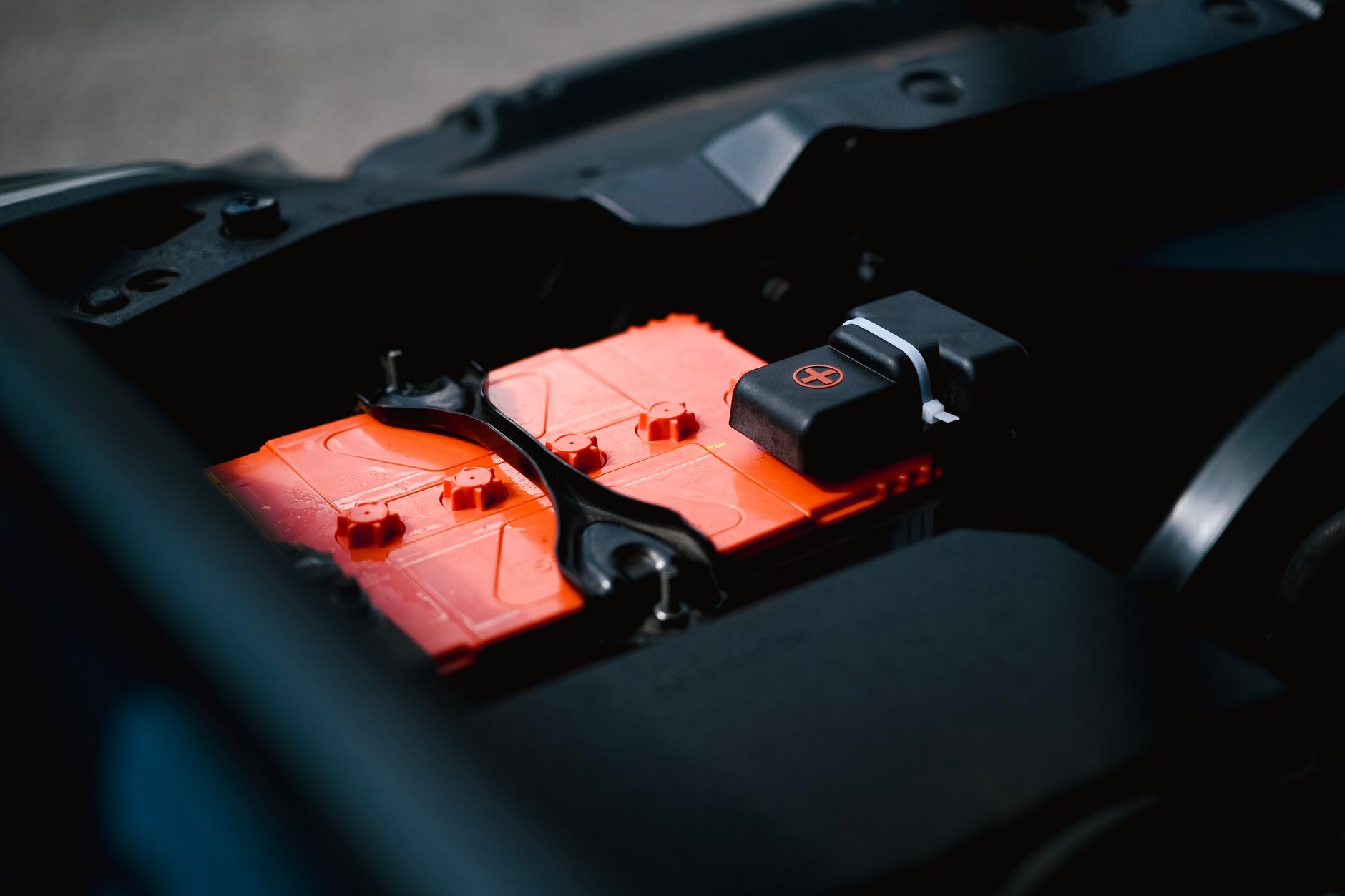
Electric vehicles tell a parallel story. The scramble to build batteries at scale has lifted the value of miners, refiners and battery makers, along with the carmakers betting their futures on electrification. Lithium, nickel, copper and rare earths sit at the centre of that supply chain, and the companies that control them have minted their own winners. It is a boom built on physical stuff coming out of the ground as much as on code, which is precisely why Australia has skin in the game.
Two ways to read the surge
There are competing views on what all this wealth creation actually signifies. Optimists argue it is the visible tip of a genuine productivity revolution. On this reading, the fortunes are a byproduct of building things the economy needs, faster chips, cleaner transport, cheaper energy storage, and the wealth will eventually diffuse through higher wages, new industries and cheaper products. Backers of the AI buildout point to real revenue, real orders and real infrastructure being poured, not just speculative froth.
Sceptics are less convinced. They note that a great deal of the new paper wealth rests on valuations that assume the AI and EV booms will keep compounding for years without a hiccup. Much of the money being counted is unrealised, tied up in shares that could fall as fast as they rose if demand softens, interest rates bite or a promised breakthrough fails to arrive. There is a long history of booms that minted billionaires on the way up and erased large slices of that wealth on the way down. The dot-com bust and the more recent crypto shakeout are the obvious cautionary tales. The truth is likely somewhere in between: real value is being built, and some of the valuations attached to it are running well ahead of the fundamentals.
The Australian stakes
For Australia, the story is not a spectator sport. The country’s wealthiest people are overwhelmingly tied to resources, and the EV boom runs straight through the minerals Australia digs up. Iron ore built the biggest local fortunes, and figures such as Gina Rinehart and Andrew Forrest have moved aggressively into lithium, rare earths and green energy as the transition has gathered pace. Forrest’s Fortescue has staked part of its future on green hydrogen and decarbonisation, a bet that is essentially a wager on the same forces powering the global EV story. When battery metals rally, Australian balance sheets, and rich lists, feel it.
The AI side is thinner locally but growing. Australia’s standout technology fortunes came out of software, most visibly the Atlassian co-founders Scott Farquhar and Mike Cannon-Brookes, whose wealth tracks the company’s US-listed shares. As enterprise software firms reposition themselves around AI features and agents, that valuation lever swings both ways. Beyond the founders, the local venture scene has seen a rush of capital into AI startups, and the country is now weighing whether to host the energy-hungry data centres that the boom demands. That last question matters well beyond a handful of billionaires. Data centres consume enormous amounts of power and water, and Australia’s ability to supply cheap, reliable, low-emissions energy will shape whether the compute boom lands here or passes it by.
There is a sovereignty angle too. If AI becomes as fundamental as the internet, the nations that own the chips, the models and the infrastructure will hold real economic and strategic leverage. Australia is a supplier of the raw materials and, increasingly, a customer for the finished technology, but it is not yet a major owner of the core platforms. Whether that changes is partly a policy choice, touching everything from research funding and skilled migration to energy and critical-minerals strategy.
What comes next
The immediate question is durability. Billionaire count is a lagging, and volatile, indicator: it rises with markets and falls with them. If the AI buildout keeps translating into paying customers and the EV transition holds its pace, the new cohort will consolidate and grow. If either boom stalls, expect a rapid reshuffle as unrealised gains evaporate. For Australia, the more meaningful measure is not how many local names crack the global list, but whether the country can convert its position in the critical-minerals supply chain and its pockets of software talent into lasting industries, jobs and tax revenue rather than a one-off commodity windfall.
None of this is a signal to chase any particular stock. It is a snapshot of where capital is flowing and who is capturing it, at a moment when two enormous technological shifts are happening at once. The billionaires are the headline. The infrastructure, the minerals and the policy choices underneath them are the story that will actually decide how much of this boom Australia keeps.
Sources: The Australian.