































Schneider Electric has confirmed it will stage its Innovation Day 2026 in Sydney, and the choice of theme tells you almost everything about where the infrastructure industry’s attention has landed. The event will centre on what the company calls AI-ready infrastructure, the unglamorous but increasingly urgent business of making sure the power, cooling and network capacity exist to run the artificial intelligence workloads that everyone from banks to miners now wants to deploy.
For a company best known for switchgear, uninterruptible power supplies and building management systems, the pivot toward AI is less a reinvention than a natural consequence of the boom. Every large language model that gets trained and every inference request that gets served has to run on silicon that sits in a rack, in a room, drawing electricity and throwing off heat. Schneider Electric sells the equipment that keeps those rooms running, which puts it in an unusually candid position to talk about the physical limits the AI industry is now bumping into.
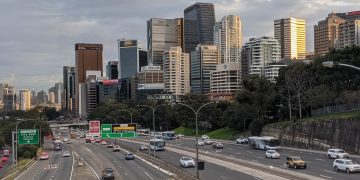
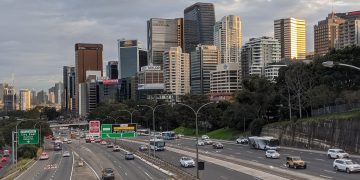
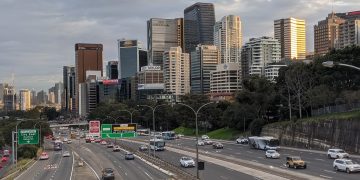
Why Sydney, and why now
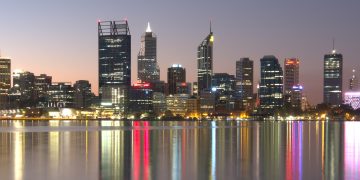
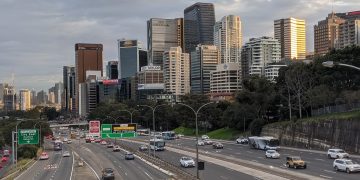
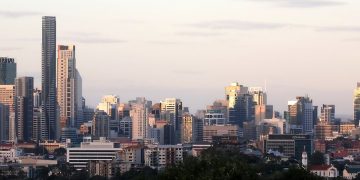
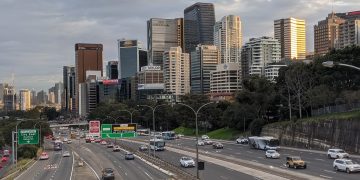
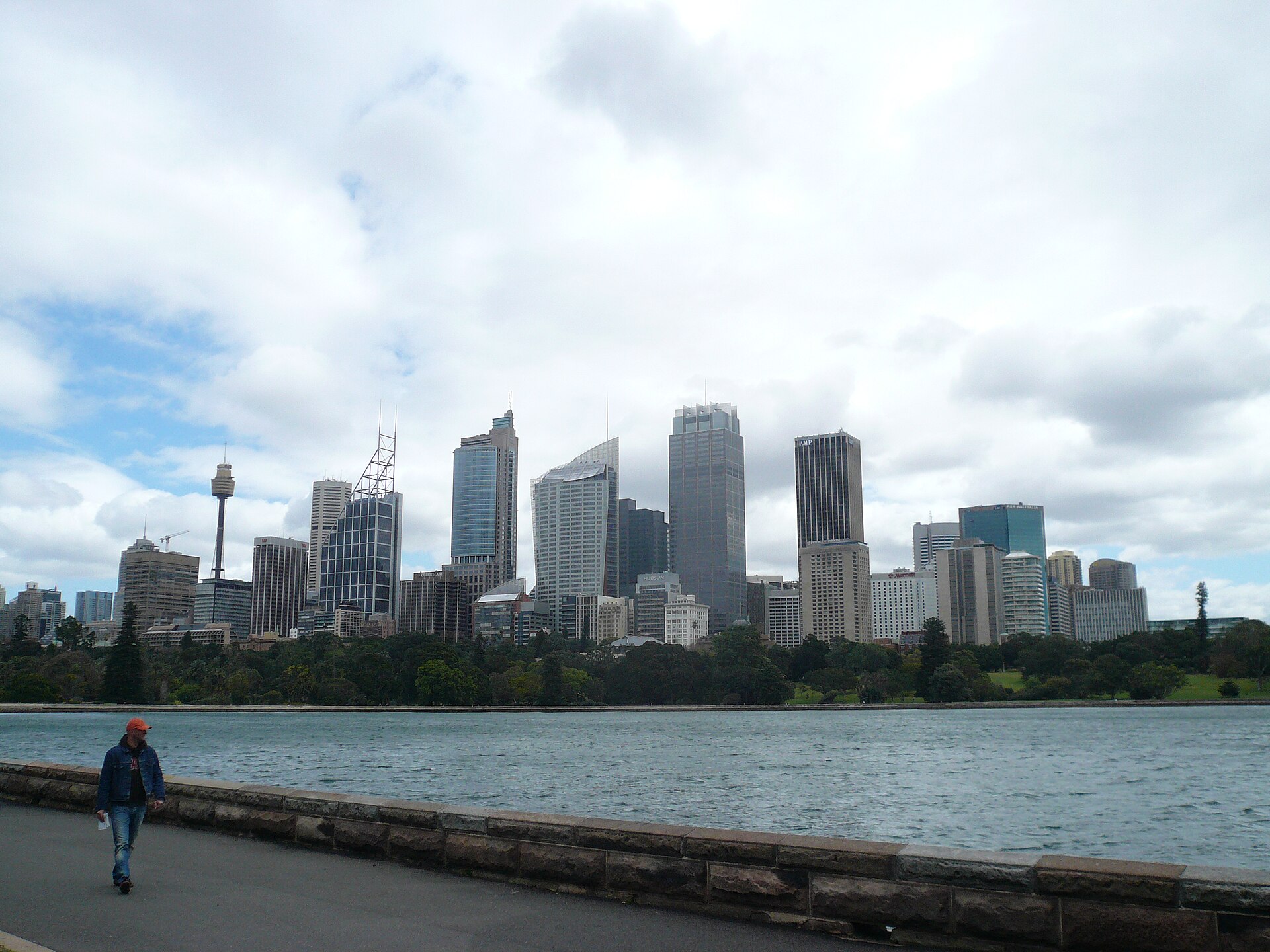
The decision to host the showcase in Sydney is not incidental. Australia has quietly become one of the more active data centre markets in the Asia Pacific, with Sydney and Melbourne carrying the bulk of hyperscale investment and a growing pipeline pushing into regional areas. FluentSea has reported repeatedly on that expansion, from the capital raising activity at operators like Megaport to the wave of proposals reshaping towns such as Wagga Wagga. The common thread is that AI is driving demand for compute faster than the surrounding infrastructure can comfortably absorb it.
According to Australian Manufacturing, the Sydney event will focus squarely on the infrastructure layer that makes AI possible rather than the models themselves. That framing matters, because the national conversation has so far been dominated by the software: the chatbots, the productivity claims, the governance worries. The hardware and energy questions have received far less airtime, even though they are arguably the binding constraint.
The pitch, and the pushback
Schneider Electric’s argument, echoed across the vendor community, is that legacy facilities were never designed for the density that AI training imposes. A rack that once drew a handful of kilowatts can now draw many times that when packed with accelerators, and air cooling struggles at those levels. The company has been pushing liquid cooling, modular prefabricated data halls and software that lets operators model energy use before they commit capital. The Innovation Day agenda is expected to lean heavily on these themes, alongside grid integration and the role of renewables in powering new capacity.
Not everyone in the market accepts the framing without qualification. Grid operators and some energy analysts have warned that the appetite for AITuned data centres risks outrunning the electricity system’s ability to supply them, particularly during the transition away from coal. The Australian Energy Market Operator has flagged data centres as a significant new source of demand growth, and there is a live debate about whether that demand should get priority access to constrained grid capacity or whether it should be required to bring its own generation and storage. Vendors like Schneider Electric naturally frame themselves as part of the solution, but the harder questions about who pays for grid upgrades and how emissions are counted do not have tidy answers.
There is also a commercial reading of the event. Innovation Day is, among other things, a sales channel. Bringing customers and partners into a room to hear about AI-ready infrastructure is how a company like Schneider Electric converts industry anxiety into orders. That does not make the underlying trend any less real, but it is worth keeping in mind that the messaging is designed to move product as much as to inform the debate.
What it means for Australia
For Australia specifically, the infrastructure story is where a lot of the AI opportunity, and a lot of the risk, actually sits. The country has abundant land, improving renewable generation and a stable political environment, which makes it attractive for operators looking to build. But it also has a stretched transmission network, rising energy prices and communities that are increasingly sceptical about hosting large facilities on their doorstep. FluentSea has covered the local resistance forming around some of these projects, and international polling showing that residents are wary of living near AI data centres suggests the sentiment is not unique to Australia.
The stakes are economic as well as environmental. If Australia wants sovereign AI capability, the kind that federal agencies and defence planners keep talking about, it needs domestic compute rather than reliance on capacity offshore. That compute has to be powered and cooled somewhere, which loops straight back to the questions Schneider Electric intends to spotlight in Sydney. Getting the infrastructure settings right, the connection queues, the water use for cooling, the emissions accounting, will determine whether the AI ambitions being spruiked by governments and boardrooms translate into anything buildable.
There is a workforce dimension too. Designing, commissioning and maintaining high-density facilities requires electrical engineers, controls specialists and data centre technicians in numbers Australia does not currently produce at scale. Events like Innovation Day tend to surface these skills gaps even when the headline is about kit, and the local supply of trades and engineering talent is already tight across the construction and energy sectors.
What’s next
Concrete details on the Sydney event, including the date, venue and speaker line-up, are still to be published, and the agenda will firm up closer to the day. The more interesting signal to watch is whether the conversation moves beyond product demonstrations toward the policy and grid questions that will actually determine how much AI infrastructure gets built in Australia over the next few years. If the event stays narrowly technical, it will be a useful trade gathering and little more. If it engages seriously with the energy and community frictions, it could become a marker for how the industry intends to handle the backlash that is already brewing.
Either way, the fact that a global energy management company is choosing Sydney to talk about AI-ready infrastructure is a reasonable proxy for how seriously the sector now takes the Australian market. The demand is here, the constraints are here, and the next phase of the AI build-out will be decided as much in substations and switchrooms as in the data science labs that get the attention.
Sources: Australian Manufacturing.