













































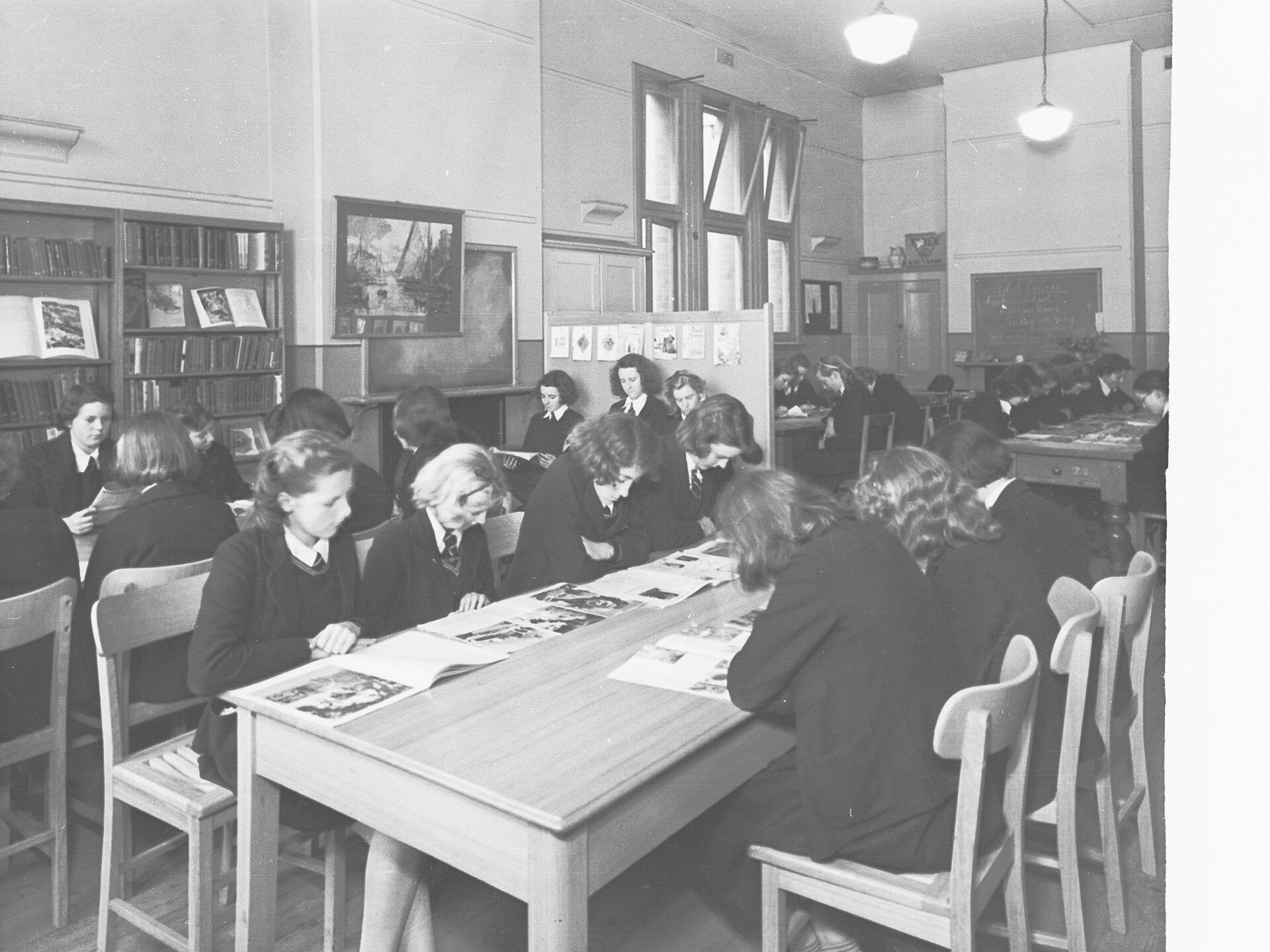
Every decade or so, a new technology arrives with a familiar pitch: this time, the classroom will never be the same. Television was going to replace the lecture. The internet was going to make the school library obsolete. The interactive whiteboard, the tablet, the learning app and now generative artificial intelligence have all carried the same quiet promise that machines might finally do the heavy lifting of education. A recent reflection published in Adelaide Now makes the case that the tools keep changing while the essential work of teaching stays stubbornly the same.
It is a timely argument. Australian schools are living through the messiest technology transition in a generation, and this one is different from those that came before. Where the internet arrived as a resource that students had to go and find, generative AI arrives as a collaborator that will do the thinking on request. A student who once had to read three sources and synthesise them can now ask a chatbot for a finished essay in seconds. That shift has forced educators to confront a question that earlier tools never really posed: if the machine can produce the answer, what exactly is the teacher for?
The news, and the longer pattern behind it
The Adelaide piece sits within a much larger national conversation. Over the past two years, education departments across the country have moved from banning AI chatbots outright to trying to fold them into the curriculum. The Australian Framework for Generative AI in Schools, endorsed by education ministers, now sets out principles for how the technology should be used, from protecting privacy to preserving academic integrity. Universities have rewritten assessment rules, and many secondary schools have quietly returned to handwritten exams and in-class tasks precisely because they cannot verify what happened at the kitchen table.
Against that backdrop, the reflection’s thesis is refreshingly unfashionable. It argues that the value a good teacher adds is not the delivery of information, which technology has been eroding for decades, but the harder-to-automate work of motivation, relationship, judgement and care. A search engine can hand a student a fact. A teacher notices when a fourteen-year-old has stopped trying, works out why, and does something about it. That is the part no model has learned to do.
Two ways of reading the moment
There are broadly two camps in this debate, and both have serious backers. The optimists argue that AI, used well, frees teachers from the drudgery that burns them out. If a language model can draft lesson plans, generate practice questions, mark low-stakes quizzes and produce differentiated worksheets for a class of thirty different learners, then the teacher gets time back for the human work. On this view the technology is not a threat to the profession but a support for it, and the schools that thrive will be the ones that treat it as an assistant rather than a substitute.
The sceptics are less sanguine. They point out that every previous wave of classroom technology was sold on the same efficiency promise and mostly failed to deliver the learning gains it advertised, while adding new burdens of training, maintenance and distraction. They worry that heavy reliance on generative tools will hollow out the very skills school is meant to build, including the capacity to sit with a hard problem, to write a first draft badly and improve it, and to tolerate the productive struggle that learning requires. If students outsource the thinking, the concern goes, they never build the mental muscle, and no amount of polished output will hide that gap.
The Adelaide reflection lands somewhere sensible between the two. Its point is not that technology is bad, but that it is not the variable that decides whether a child learns. The internet did not make teachers redundant, and neither will AI. What it will do is raise the premium on the things a machine cannot fake.
What it means for Australia
For Australia, the stakes are practical and pressing. The country is short of teachers, with workforce shortages biting hardest in regional and remote schools and in subjects like maths and science. If AI genuinely reduces the administrative load, that is not a marginal convenience; it could be part of the answer to a staffing crisis that has governments in every state worried. South Australia has been unusually forward in this space, running trials of a purpose-built schools chatbot designed to keep student data inside a controlled environment rather than sending it to commercial platforms overseas.
But the same shortages cut the other way. A stretched, under-resourced system is exactly the kind of environment where a shiny tool gets adopted as a shortcut rather than a support, where a chatbot fills the gap left by a teacher the school could not hire. The equity risk is real. Well-resourced schools will train staff, set thoughtful policies and teach students to use AI critically. Schools already struggling may simply let the technology in the door without the scaffolding, and the gap between the two could widen. Australia’s challenge is to make sure the benefits of AI in the classroom are shared rather than concentrated among the students who already have the most.
There is also a digital literacy dimension that reaches beyond the school gate. If the next generation is going to grow up alongside systems that can write, summarise and persuade at scale, then learning to interrogate those outputs, to spot a confident falsehood and to know when a human should be in the loop becomes a core skill rather than an optional extra. That is a teaching job, and a distinctly human one.
What is next
The immediate future is less about the technology and more about the guardrails around it. Expect continued refinement of the national framework, more locally hosted tools of the kind South Australia has trialled, and a slow rebalancing of assessment towards tasks that reward process over product. The deeper work, though, is cultural. Schools that succeed will be the ones that treat AI as a question about pedagogy rather than a question about software, and that keep asking what only a person in the room can provide.
The reflection’s closing note is worth holding onto. The tools will keep changing, faster now than ever. The power to light a spark in a young person, to know them well enough to push at the right moment and to model what it looks like to think carefully, has not been automated and shows no sign of being so. That is not nostalgia. It is a reminder of where the real investment belongs.
Sources: Adelaide Now.