

















































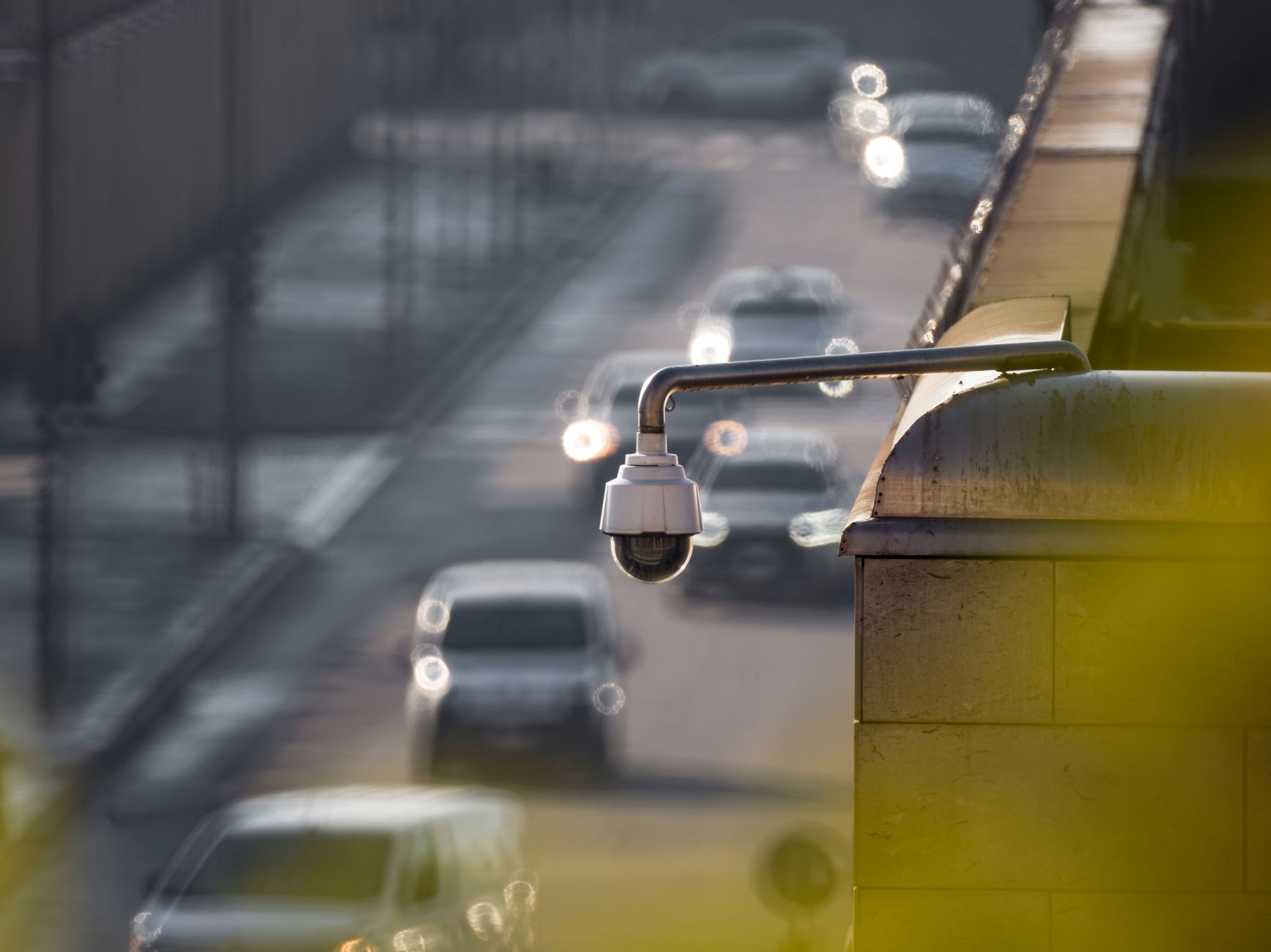
When a machine decides you have broken the law, who do you argue with? That is the uncomfortable question at the centre of a case reported by the Canberra Times, in which an Australian driver says he was wrongly fined by an automated detection system and has been left fighting a process that felt closer to a wall than a conversation.
The driver’s frustration crystallised in a single line that will resonate with anyone who has ever tried to overturn a computer-generated penalty. As he told the Canberra Times, “people need a voice.” It is a plea that reaches well beyond one infringement notice, because the systems now issuing those notices are multiplying across the country.
How enforcement quietly became automated
Over the past few years, Australian road authorities and councils have leaned heavily on artificial intelligence to police everyday behaviour. Mobile phone detection cameras in New South Wales, Victoria and Queensland use machine-learning models to scan images of drivers and flag those who appear to be holding a device. Seatbelt detection has followed. Automated number-plate recognition, parking sensors and image-classification tools all feed a growing pipeline where a photograph becomes a fine with very little human touch in between.
The appeal of the technology to hard-pressed agencies is obvious. It runs around the clock, it does not tire, and it processes volumes no roster of officers could match. The catch is that these systems are probabilistic. They make confident predictions from imperfect images, and when they get one wrong, the person on the receiving end often has to prove a negative: that the dark shape in a grainy photo was not a phone, that the hand near the wheel was not doing what the algorithm decided it was doing.
That is where the driver in this case found himself. Contesting an automated penalty can mean navigating an online portal, waiting weeks for a review, and never quite knowing whether a person or another process is assessing the challenge. The sense of shouting into a void is not incidental. It is a design feature of systems built for throughput rather than dialogue.
Two ways of seeing the same machine
Supporters of automated enforcement argue that the technology is fairer, not less fair, precisely because it removes human discretion. A camera does not care what car you drive or how you look, and consistency at scale can be a genuine public good on roads where distraction kills. Agencies also point out that most systems include a human review stage before a fine is confirmed, and that motorists retain the right to contest a notice in court.
Critics see a different picture. Their concern is not that AI is used, but that the burden of error has been quietly shifted onto the individual. When the default position is that the machine is right, the onus falls on ordinary people to mount a challenge, often against an opaque process they cannot inspect. Digital rights advocates have long warned that automated decision-making tends to erode procedural fairness in exactly this way, by making the reasoning invisible and the avenue for appeal narrow. A fine that arrives without a clear explanation of how it was reached is, in their view, a fine that cannot be properly contested.
Both positions can be true at once. The technology can reduce some kinds of bias while introducing new ones, and it can improve compliance overall while leaving a minority stranded when the model misfires. The real test of a system is not how it performs on the easy cases, but what it offers the person it gets wrong.
The long shadow of Robodebt
Australia has a raw and recent memory of what happens when automated decisions go unchecked. The Robodebt scheme, which used crude income-averaging to raise hundreds of thousands of unlawful welfare debts, ended in a Royal Commission that found the program had caused immense harm and had run without adequate legal foundation. Its central lesson was blunt: automation without meaningful human oversight and a clear right of review is a recipe for injustice at industrial scale.
That history hangs over every new deployment of algorithmic decision-making in the public sector, from Centrelink to the roadside camera. It is why a single wrongly fined driver matters more than the modest sum on his infringement notice. His case is a small stress test of whether Australia has actually learned anything, or whether it has simply moved the same flawed logic from welfare to traffic.
What it means for Australia
The stakes are national because the technology is national. Every state and territory is expanding some form of automated enforcement, and the federal government has spent the past year signalling tighter expectations around AI in official decisions, including work on rules for automated decision-making in agencies like Centrelink. The Attorney-General’s Department has been developing reforms that would require clearer authorisation, transparency and review rights when government relies on automation. The Commonwealth Ombudsman has published guidance urging agencies to keep a human genuinely in the loop rather than as a rubber stamp.
For Australians, the practical question is whether those principles will reach the mundane, high-volume systems that touch millions of people. A phone detection camera or a parking algorithm rarely attracts the scrutiny of a landmark welfare scandal, yet collectively these tools issue far more decisions than any single program ever did. If the right to a real, responsive appeal exists only on paper, the promise of oversight means little to the person staring at a fine they know is wrong.
What’s next
The immediate path for the driver runs through the standard review and, if that fails, the courts, an avenue that is open in principle but costly and slow in practice. The broader trajectory depends on how seriously governments treat the demand at the heart of his complaint. Expect continued pressure for automated infringement systems to explain their reasoning in plain terms, to publish accuracy and overturn rates, and to guarantee a human decision-maker who can actually be reached.
The technology itself is not going away, and few would want the clock wound back to a world of undetected distraction on the roads. The unresolved issue is accountability. As more of daily life is adjudicated by systems that never have to answer a question, the driver’s line reads less like a grievance and more like a design brief. People need a voice, and the machines currently do not offer one.
Sources: The Canberra Times.


