

















































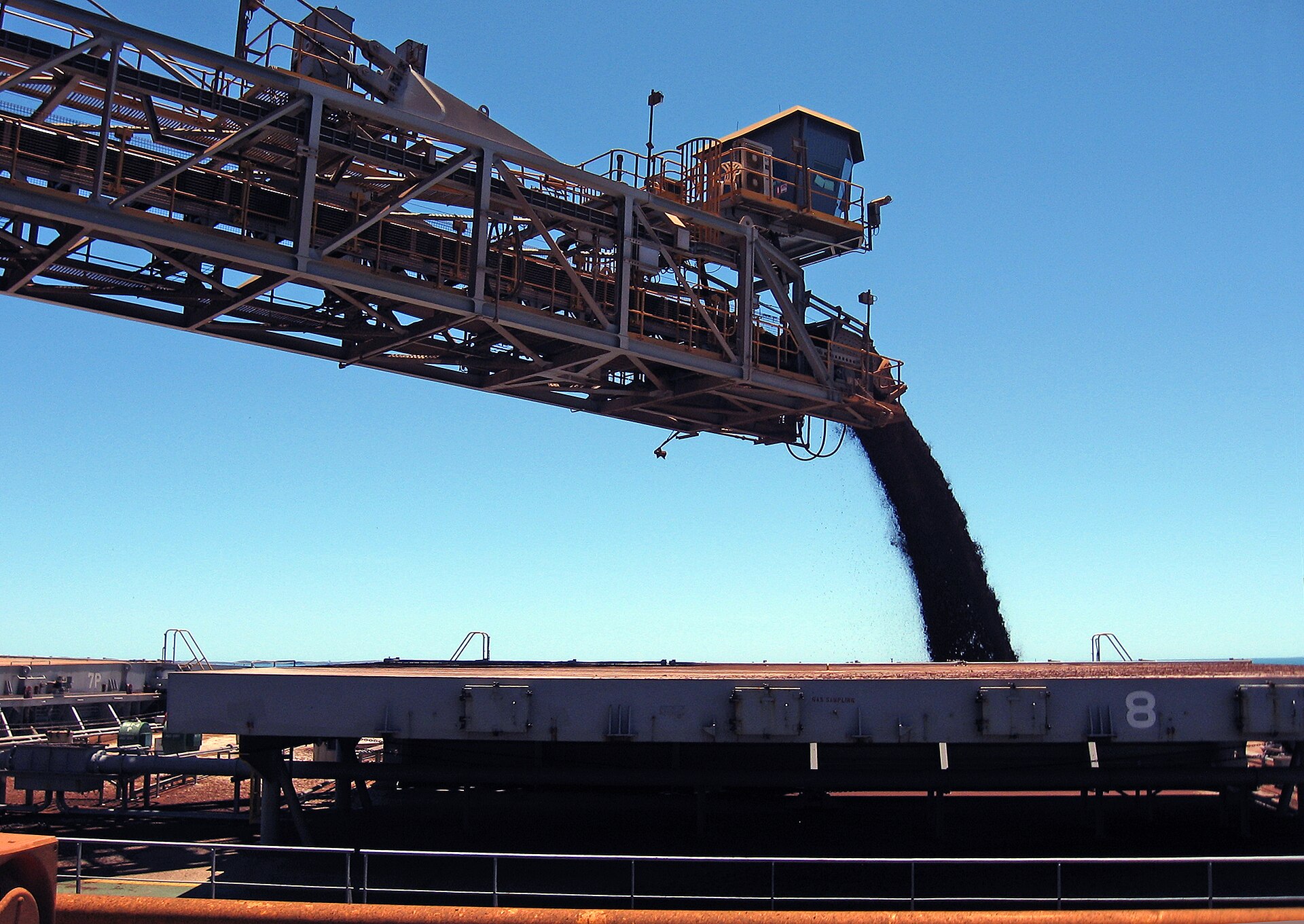
Conveyor belts are the unglamorous circulatory system of a modern mine. They stretch for kilometres across pits, ports and processing plants, moving ore around the clock, and when one fails the cost lands quickly in lost production, safety incidents and expensive unplanned shutdowns. It is precisely that pressure point that a new partnership is aiming at, with Chilean technology group SK Godelius joining forces with A.I. LAMB to bring an advanced conveyor intelligence system to the Australian market.
The tie-up, reported by International Mining, positions the two companies to sell a package that blends computer vision, sensors and machine learning to watch conveyor systems continuously and flag problems before they turn into breakdowns. For an industry that has spent the past decade chasing automation in haulage, drilling and processing, the humble conveyor has often been the last major asset still monitored by human inspection and scheduled maintenance rather than live data.
Why conveyors, and why now
The logic behind the launch is straightforward. A single kilometre of belt can carry thousands of tonnes an hour, and a torn belt, a misaligned roller or a jammed transfer point can cascade into hours of downtime. Traditional inspection relies on maintenance crews walking the line, which is both labour intensive and inherently reactive. By the time a person spots a fraying edge or a hot idler, the damage is often already advanced.
Conveyor intelligence systems of the kind SK Godelius and A.I. LAMB are marketing try to close that gap. Cameras and sensors feed a constant stream of imagery and vibration data into models trained to recognise the early signatures of wear, foreign objects, spillage and mistracking. The promise is a shift from fixing things after they break to predicting failures days or weeks out, and from sending people into hazardous areas to letting the machines do the watching. SK Godelius has built its reputation in Chile’s copper heartland, where mining automation has matured under some of the toughest operating conditions on earth, and the company is now looking to export that experience.
Detail on the commercial terms and the specific sites involved remains thin in the initial announcement, which is common for early-stage market entries of this type. What is clear is the intent: to give Australian operators a monitoring layer for an asset class that has been surprisingly slow to digitise relative to the money that flows across it.
Two ways to read the move
For the optimists, the partnership is another sign that mining’s digital transformation is finally reaching the parts of the operation that automation had bypassed. Predictive maintenance has become one of the clearest return-on-investment stories in industrial AI, precisely because the cost of failure is so easy to quantify. If a system can prevent even a handful of unplanned conveyor stoppages a year, it can pay for itself several times over. Bringing an experienced overseas vendor into the market also adds competitive pressure, which tends to sharpen pricing and accelerate feature development for the local buyers who ultimately benefit.
The sceptics will point to a familiar set of hurdles. Mining technology is littered with pilots that dazzled in a demonstration and then stalled when confronted with dust, heat, remote connectivity and the sheer variety of legacy equipment on a working site. A conveyor intelligence platform is only as good as the data it ingests and the maintenance workflows it feeds into, and integrating a new system with the control rooms, asset management software and human teams already in place is rarely trivial. There is also the perennial question of trust: operators have been burned before by black-box models that raise alarms without explaining themselves, and convincing a superintendent to act on an AI warning takes a track record that a new market entrant has yet to build locally.
The Australian stakes
Australia is arguably the single most important test bed the partnership could pick. The country’s iron ore, coal, copper and lithium operations run some of the largest and longest conveyor networks in the world, and the major producers have made no secret of their appetite for technology that lifts productivity and takes people out of harm’s way. The Pilbara alone hosts automated trains, autonomous haul fleets and remote operations centres in Perth that run mines hundreds of kilometres away, so a conveyor monitoring layer slots neatly into an existing digital philosophy rather than asking miners to start from scratch.
There is a workforce dimension too. Skilled maintenance labour is scarce and expensive across regional Australia, and anything that reduces the number of manual inspections in dangerous locations has an obvious safety and cost appeal. At the same time, the introduction of monitoring systems raises the usual questions about how roles change when a camera and a model take over tasks that people used to do, and unions and workforces will want assurance that the technology augments crews rather than simply thinning them. For a sector that contributes a substantial share of the nation’s export earnings, even incremental gains in conveyor uptime translate into meaningful figures at the national accounts level.
The move also fits a broader pattern of international mining-technology vendors treating Australia as a priority market. The combination of deep-pocketed operators, a strong safety culture and a willingness to trial automation makes local sites a proving ground whose results carry weight globally. A system that earns its stripes in the Pilbara or the Bowen Basin has a credible story to tell everywhere else.
What is next
The near-term test will be adoption. Announcements are cheap in mining technology; signed deployments at named operations, with measurable reductions in downtime and inspection hours, are what convince the rest of the market. Watch for whether SK Godelius and A.I. LAMB can convert the launch into pilots with tier-one producers or the contractors who run their conveyor maintenance, and whether they can demonstrate that the platform holds up outside a controlled trial.
If the technology delivers, conveyor intelligence could become as standard on Australian sites as autonomous trucks have on the big iron ore mines. If it stumbles, it will join the long list of promising pilots that never quite crossed into everyday operation. Either way, the partnership is a useful marker of where industrial AI is heading: away from the headline-grabbing autonomous fleets and towards the quieter, cheaper wins hiding in the assets that keep the ore moving.
Sources: International Mining.


