










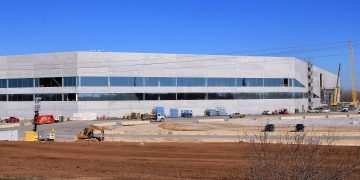
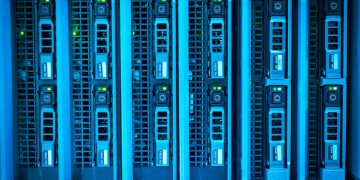











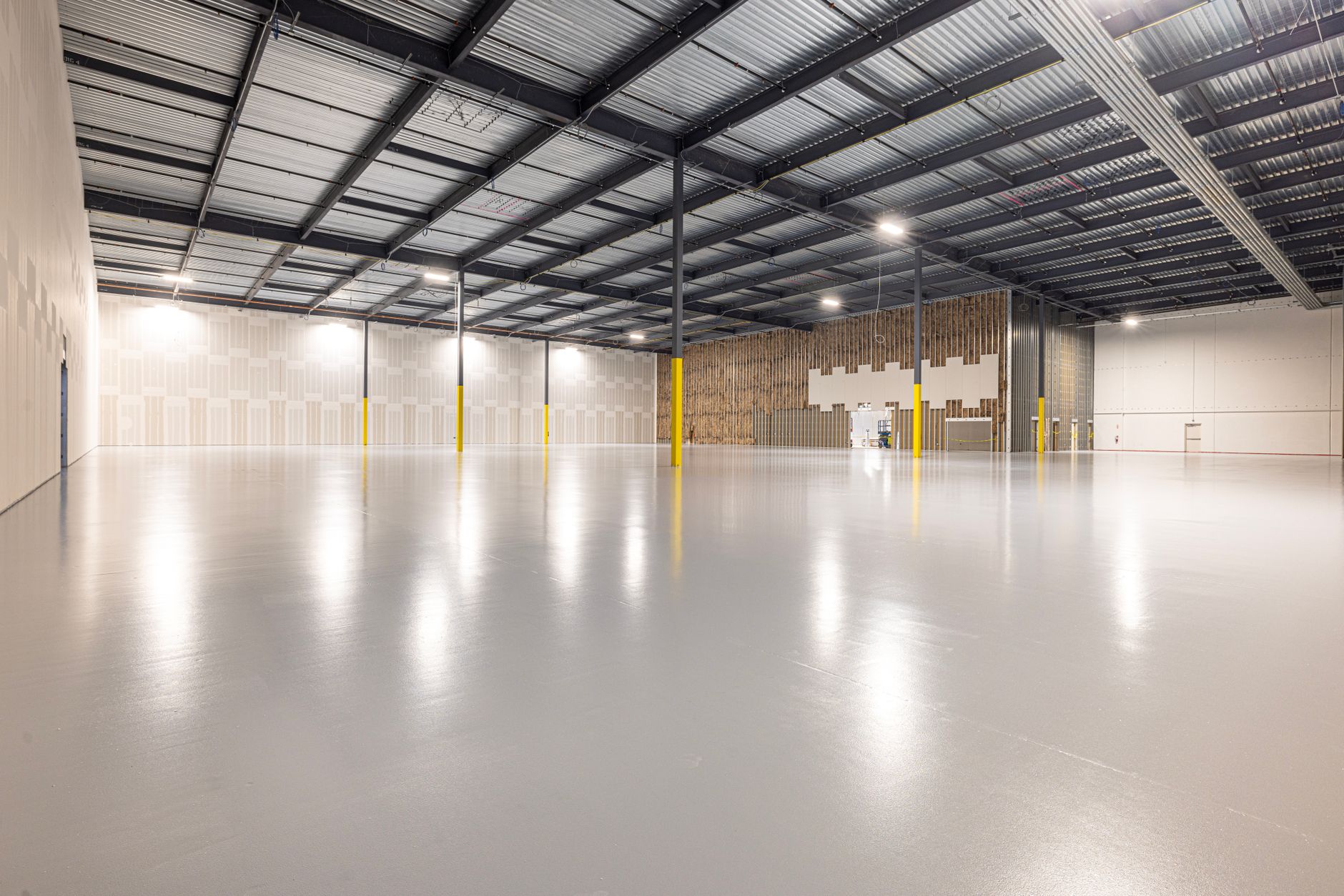
The scale of Australia’s artificial intelligence buildout is increasingly being measured not in models or chips, but in concrete, steel and civil earthworks. The latest evidence comes from an unlikely quarter: a diversified construction and materials group headquartered in regional New South Wales, which has just confirmed that a single AI data centre client is now worth close to a billion dollars to its order book.
ASX-listed Maas Group Holdings has locked in an $855 million contract with AI infrastructure developer Firmus, a deal that pushes the company’s total AI-related infrastructure work beyond $1.2 billion, according to Business News Australia. For a business better known for quarries, precast concrete and civil works across the country’s regions, the figures mark a striking pivot into one of the most closely watched growth stories in the market.
How a regional contractor ended up building for AI
Maas Group, founded and led by managing director Wes Maas, built its reputation on the unglamorous but essential end of the economy: construction materials, civil construction, real estate and equipment hire, much of it delivered outside the capital cities. That footprint has turned out to be an asset in the AI era, because the enormous computing facilities now being planned across Australia need exactly the kind of heavy civil work, bulk earthmoving and materials supply that a group like Maas already does at scale.
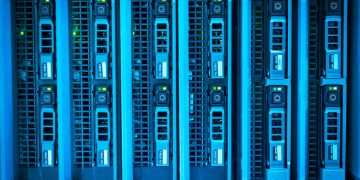
Firmus, for its part, sits at the sustainable end of the AI infrastructure spectrum. The company has been developing high-density, energy-efficient computing capacity, positioning itself as a builder of the physical platforms on which AI training and inference actually run. Bringing those facilities out of the ground requires a construction partner capable of moving quickly and managing large, complex sites, and the size of the Maas commitment suggests Firmus is planning capacity on a serious scale.
The $855 million figure is significant on its own, but the more telling number is the $1.2 billion total. It indicates that AI infrastructure has moved from a promising sideline to a core plank of Maas Group’s forward work, the sort of contracted pipeline that underpins earnings guidance and reassures investors about revenue years into the future.
Two ways to read the deal
For the optimists, this is precisely the kind of announcement that validates the “picks and shovels” thesis that has gripped Australian dealmakers. Rather than betting on which AI application or model will win, investors and contractors can profit from the undeniable fact that all of it needs somewhere to live. Data centres consume land, power, water for cooling and vast quantities of construction input, and the firms that supply those inputs stand to benefit regardless of which software company ultimately comes out on top. On that view, Maas Group has quietly become one of the most direct listed exposures to the AI theme available on the ASX.
The more cautious reading points to concentration and cyclicality. A large slice of a construction group’s future revenue now depends on the continued appetite and financial health of AI data centre developers, a sector that is itself the subject of intense debate about overbuilding, circular financing arrangements and whether current demand forecasts are realistic. Should the AI capital expenditure cycle cool, contractors that have leaned heavily into the theme could find themselves exposed. Australian markets have already had a taste of that nervousness, with local investors watching offshore volatility in AI-linked stocks and debating whether recent pullbacks represent a healthy reset or the start of something more serious.
Both readings can be true at once. Contracted work worth $1.2 billion is real revenue with real margins, and it does not evaporate because sentiment shifts. But the value of that pipeline over the long term still rests on a bet that Australia’s data centre expansion has years to run.
What it means for Australia
The deal is a useful reminder that the economic benefits of the AI boom are not confined to Sydney software startups or the balance sheets of offshore chipmakers. When a regionally based civil contractor books hundreds of millions of dollars in AI work, that money flows into earthmoving crews, materials suppliers, engineers and the towns where the projects and the workers are based. It is a form of AI dividend that shows up in hard hats rather than headsets, and it strengthens the case that data centre construction can spread economic activity beyond the traditional tech corridors.
It also sharpens a tension that Australian policymakers are only beginning to grapple with. Every large data centre is a substantial new load on the electricity grid, and the country is already wrestling with how to reconcile its AI ambitions with its energy transition and emissions targets. New rules governing data centre energy use are being road-tested, and the arrival of ever-larger construction commitments only raises the stakes for getting that framework right. A contract of this size is a vote of confidence in demand, but it is also another draw on power and water that the grid will eventually have to service.
For the construction sector specifically, the Maas Group deal is a signal to competitors that AI infrastructure is now a genuine and lucrative line of business rather than a novelty. Expect other civil and materials firms to sharpen their pitches to data centre developers, and expect boards to start describing AI-related work as a distinct segment in their results.
What is next
The immediate focus will be on delivery. An $855 million contract is only as valuable as the company’s ability to execute it on time and on budget, and investors will watch upcoming results for detail on how much of the $1.2 billion pipeline converts to revenue in the near term. Analysts will also be looking for any diversification of AI clients beyond Firmus, since a broader customer base would ease concerns about concentration.
Beyond the company itself, the deal adds to a growing body of evidence that Australia’s AI story is increasingly a physical infrastructure story. As more developers commit to building compute capacity on Australian soil, the contractors, energy providers and regional communities that make those facilities possible will find themselves at the centre of a national conversation about growth, power and where the value of the AI era ultimately lands.
Sources: Business News Australia.