

















































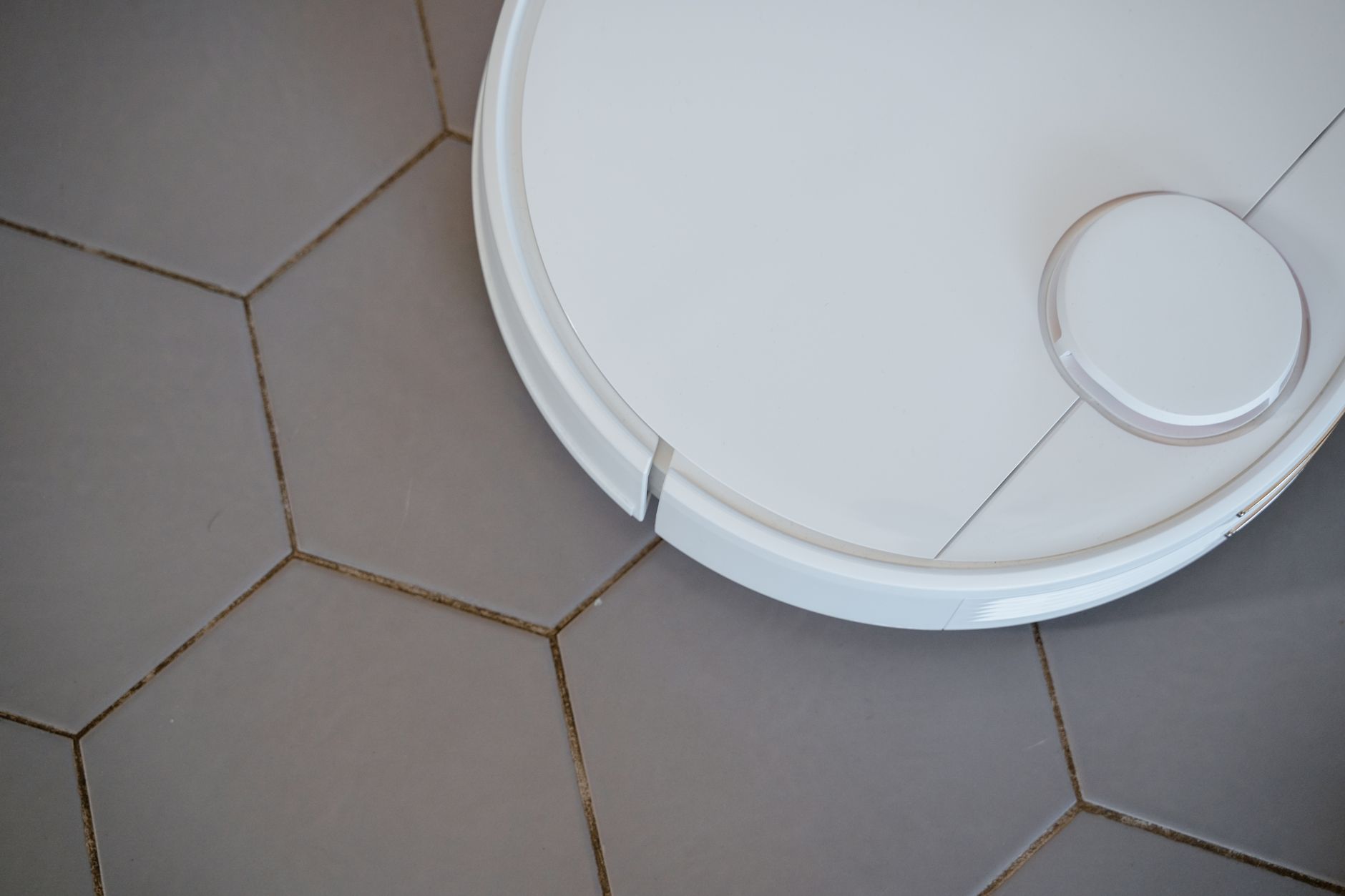
The humble robot vacuum has come a long way from the puck-shaped gadget that bumped blindly around the lounge room and got stuck under the couch. Today’s machines map your home with lasers, recognise the difference between a sock and a power cord, avoid pet mess, empty their own bins and, in some cases, walk you through the house on a video call while you are at work. That leap has been driven largely by artificial intelligence, and it has turned a novelty product into one of the fastest-moving corners of the consumer electronics market. It has also turned the marketing of these devices into a genuine contest.
Into that contest steps a new agency partnership. Global smart home robotics company ECOVACS has appointed Havas Red Australia as its integrated public relations, social and influencer agency across Australia and New Zealand, according to a report in Campaign Brief. The appointment hands the agency responsibility for building the brand’s profile in a region where robot vacuums and their AI-heavy feature sets have moved from early-adopter curiosity to mainstream household purchase.
Who is involved
ECOVACS is one of the larger names in the category globally, best known in Australia for its DEEBOT robot vacuums and its WINBOT window-cleaning robots. The company has leaned heavily on artificial intelligence as a point of difference, marketing obstacle-avoidance systems, computer vision that identifies clutter on the floor, voice assistants built into the machines and app-based controls that let owners direct cleaning from their phones. The pitch, increasingly, is less about suction and more about smarts.
Havas Red is the earned-media and content arm of the global Havas network, operating in Australia as part of a broader creative and communications group. Winning an integrated brief that spans PR, social and influencer work across two countries is a meaningful account for the local team, and it reflects a wider industry shift in which brands prefer a single agency to run the full communications picture rather than carving the work up between specialists who do not always talk to each other.
Why the appointment matters
The move is a small business story on its face, one brand picking one agency, but it sits on top of a much bigger commercial trend. Smart home robotics is one of the few consumer categories where AI is not a marketing afterthought bolted onto an existing product, but the actual reason the product works better than it did five years ago. When a company like ECOVACS invests in a dedicated ANZ communications partner, it is a signal that the local market is now worth fighting for on brand terms, not just on price and shelf placement at the big retailers.
There are two ways to read that. The optimistic view, and the one the agency and brand will naturally lean into, is that consumers are ready for a more sophisticated conversation about what these machines can do. Buyers who once compared robot vacuums on battery life and dustbin capacity are now weighing navigation quality, how well the obstacle avoidance actually performs and whether the companion app is any good. That is a story that rewards communication rather than a simple spec sheet, which is exactly the kind of brief a PR and social agency exists to handle.
The more sceptical view is that the category has an AI credibility problem it will need to manage carefully. Every brand in the space now claims some version of intelligent navigation, smart mapping or AI-powered obstacle recognition, and the language has started to blur. Consumers have been promised smart devices before, only to find the reality patchy, and there is a real risk that “AI” becomes background noise that shoppers tune out. That puts pressure on whoever runs the communications to be specific and honest about what the technology genuinely delivers, rather than reaching for the same buzzwords as everyone else on the retail floor.
What it means for Australia
For Australian households, the appointment is a reminder of how quickly AI has slipped into everyday domestic life without much fanfare. There is a national debate raging about sovereign AI capability, data centres straining the power grid and whether the country is building the technology or merely hosting it. Meanwhile, a quieter version of the same shift is playing out in kitchens and hallways, where a growing number of families already own a device that uses machine vision and on-board decision-making to navigate the home. AI adoption in Australia is not only happening in enterprise data centres and government departments. It is happening on the floor of the living room, one cleaning cycle at a time.
That domestic footprint raises questions worth keeping an eye on. Home robots collect data, including maps of the interior of a house, and they connect to apps and cloud services that sit largely outside Australian oversight. As these products become more capable and more common, the local conversation about privacy, data handling and consumer protection will need to catch up. A robot that can map your home and recognise objects is useful, but it is also a sensor package roaming your most private space, and Australian regulators have so far paid far more attention to AI in banking and government than to AI in the appliance aisle.
For the Australian marketing and communications sector, the appointment is also a modest vote of confidence. Global technology brands increasingly want dedicated local teams that understand the ANZ market rather than running everything out of an overseas headquarters, and integrated briefs of this kind are becoming the norm. The consumer technology category has been a reliable source of agency work in a difficult advertising economy, and a multi-country account handed to a local team is the sort of win that keeps experienced communications people employed here rather than offshore.
What is next
The real test will be in the execution. An integrated remit that combines traditional media relations with social content and influencer partnerships gives the agency plenty of room to move, and the influencer element in particular tends to work well for visual, demonstrable products like a robot that can be filmed doing its job. The measure of success will be whether ECOVACS can lift its brand profile in a crowded field where consumers struggle to tell competing devices apart, and whether it can do so without leaning so hard on AI language that it becomes indistinguishable from every rival making the same claim.
For now, the appointment is a marker of a category on the rise. Smart home robotics has quietly become one of the most visible ways ordinary Australians encounter artificial intelligence, and the brands competing for that space are starting to invest accordingly. Expect more of these appointments, more AI-forward messaging and, before long, a sharper local debate about what all this cleverness in the home actually means for the people who live there.
Sources: Campaign Brief.