

















































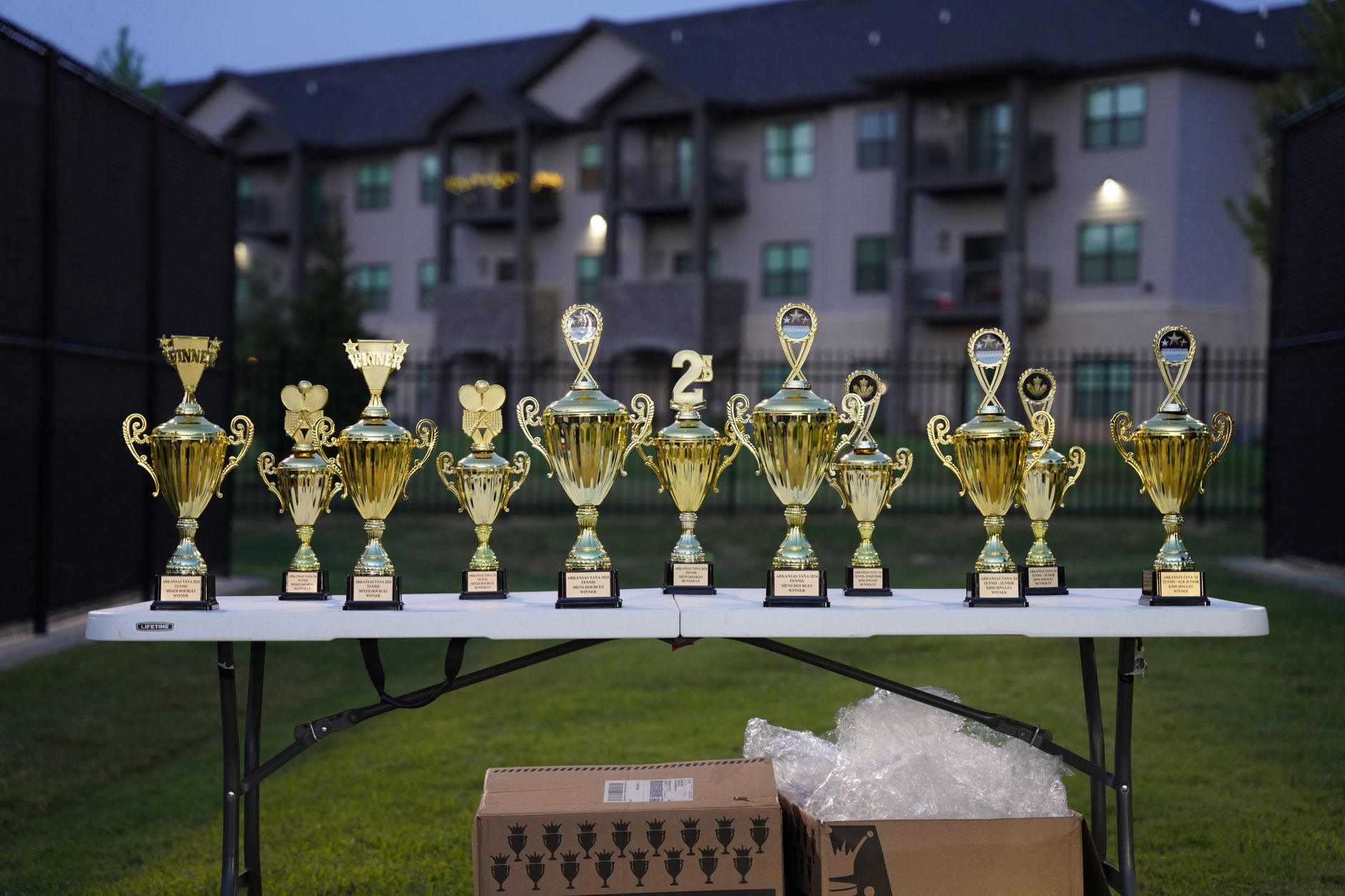
Australia’s artificial intelligence community has a new date circled on the calendar. Organisers have thrown open submissions and nominations for the Australian AI Awards 2026, inviting companies, researchers and individual practitioners to put themselves forward for a program that has become one of the more visible markers of progress in a fast-moving field. The call for entries was reported by Accountants Daily, which flagged the opening of the annual awards to its business readership.
The timing is telling. The awards land in the middle of a national conversation about whether Australia is genuinely building AI capability or simply hosting technology invented elsewhere, a debate that has run through boardrooms, government offices and university faculties over the past year. Against that backdrop, a program that hands out trophies for local achievement carries more weight than the usual industry gong. It is, in effect, an annual stocktake of who is actually doing the work.
What the awards recognise
Programs of this kind typically span a broad set of categories, from the individual practitioner making a mark early in their career through to the large enterprise deployment that has reshaped an entire workflow. Expect recognition for the startups turning research into product, for the data and infrastructure teams keeping the lights on, and for the public-sector projects trying to use the technology responsibly. The common thread is that entrants are asked to show outcomes rather than ambition, which is a useful discipline in a sector where the gap between a slick demo and a working system can be enormous.
For smaller firms in particular, the appeal is straightforward. A shortlisting or a win offers third-party validation that is hard to buy, and it can open doors with the enterprise and government buyers who remain cautious about handing critical work to unproven vendors. In a market where trust is arguably the scarcest commodity, a credible award can shorten a sales cycle and lend a young company the credibility of an established one.
Two ways to read an awards season
Not everyone treats industry awards with the same reverence, and it is worth airing both views. Supporters argue that recognition programs do real work beyond the ceremony. They surface case studies that would otherwise stay locked inside individual companies, they give talented people a reason to stay in Australia rather than drift to better-resourced markets overseas, and they create a shared language for what good looks like. When a judging panel rewards a project for measurable results and sound governance, it nudges the whole field towards those standards.
The sceptics counter that awards can reward marketing budgets as much as merit, and that the AI category in particular has become crowded with entrants keen to attach the label to work that is really just conventional automation. There is a fair concern that a trophy can paper over unresolved questions about data provenance, bias and the human cost of automation. The honest answer is that both things can be true at once. An awards program is only as good as its judges and its criteria, and the value for readers lies in scrutinising the winners rather than taking the medals at face value.
The Australian stakes
Why this matters locally comes down to a structural problem the country is still wrestling with. Australia has world-class researchers and a healthy appetite for adoption, yet it has struggled to convert that into homegrown companies of scale. Much of the AI that Australian businesses rely on is built offshore, and the sovereignty debate that has dominated policy circles this year reflects genuine anxiety about depending on foreign platforms for critical infrastructure. Federal moves to stand up an Office of AI, along with state-level testbeds and procurement reviews, all point to a government trying to tilt the field towards local capability.
An awards program cannot fix that on its own, but it plays a modest part in the ecosystem. By putting a spotlight on Australian teams doing serious work, it helps counter the perception that all the interesting action happens in San Francisco or Shenzhen. It also gives investors, who have been cautious about local AI valuations amid talk of a global bubble, a curated look at where real traction is emerging. For a sector that often feels defined by hype cycles and imported product, a visible celebration of domestic achievement is a small but useful corrective.
There is a practical dimension too. The professional services and accounting audience that first picked up this news is precisely the kind of buyer AI vendors are chasing. Accountants, auditors and advisers are among the most exposed to automation, and they are also among the most careful adopters, wary of tools that cannot be audited or explained. A firm that wins recognition in front of that audience earns a hearing it might otherwise have to fight for.
What happens next
With submissions and nominations now open, the immediate task for interested parties is to get their entries in and to marshal the evidence that judges will want to see. Serious contenders will be documenting outcomes, quantifying impact and being upfront about how they have handled the governance questions that increasingly separate mature deployments from experiments. The strongest entries tend to be the ones that treat the process as a chance to interrogate their own work rather than simply to polish it for presentation.
From there the usual rhythm follows: entries close, a shortlist is announced, and finalists are recognised at a ceremony that doubles as a networking event for the sector. For FluentSea readers, the more interesting story will be who makes the cut and what their projects reveal about the state of Australian AI in 2026. The awards are a prompt, not a verdict, and the real signal will be in the detail of the work that rises to the top. We will be watching the shortlist closely when it lands.
Sources: Accountants Daily.


