








































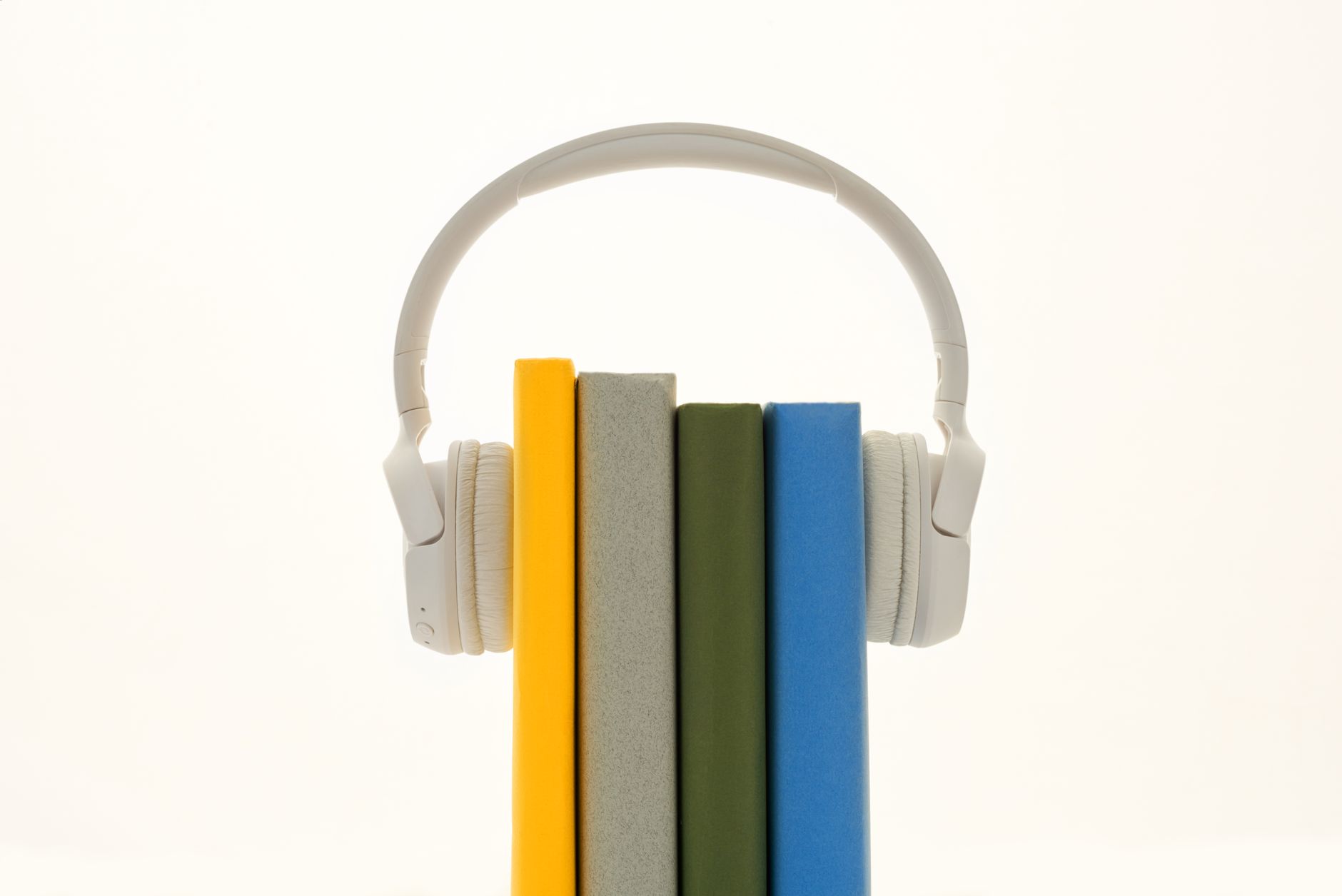
The audiobook has quietly become one of publishing’s great success stories, a format that turned commutes, gym sessions and household chores into reading time and gave backlist titles a second life. Now the same technology reshaping newsrooms, call centres and film studios is arriving in listeners’ earbuds, and the change is happening faster than many readers realise.
New figures reported by ArtsHub suggest that nearly one in five Australian audiobook listeners have already played a title narrated by artificial intelligence, whether they knew it at the time or not. That is a striking number for a technology that barely existed in commercial form a few years ago, and it points to a market where synthetic narration is shifting from novelty to everyday reality.
From human performance to machine voice
For most of the audiobook’s modern history, the value proposition rested on a person. A skilled narrator brought pacing, character and emotion to a text, and the best of them built loyal followings of their own. That craft is now being automated at speed. The major platforms have spent the past two years rolling out virtual voices and tools that let publishers and self-published authors generate a full-length narration from a manuscript without ever booking a studio.
The commercial logic is easy to follow. Professional narration is expensive and slow, which means huge swathes of the world’s books have never been recorded at all. Synthetic voices promise to change that, giving a voice to backlist titles, niche non-fiction and independent authors who could never justify the cost of a human recording. Supporters argue this is a democratising force, widening access for readers who rely on audio, including people with vision impairment or reading difficulties, and opening new revenue for writers who were previously locked out.
The romance genre sits at the centre of the story, and not by accident. Romance is one of the biggest and most voracious categories in audio, with dedicated fans who consume titles at a pace no human narrator could match. That appetite has made it a natural testing ground for AI narration, and, according to ArtsHub’s reporting, a target for something more troubling: the cloning of specific authors’ and narrators’ voices to produce recordings they never agreed to and never earned a cent from.
Cloning, consent and the piracy problem
Voice cloning is where the debate turns sharp. The technology can now reproduce a recognisable voice from a modest sample, which raises obvious questions about consent, likeness and payment. A narrator who spent years building a distinctive sound can find that sound replicated without permission, and an author’s identity can be attached to audio they had no hand in making. For working performers, this is not an abstract worry about the future. It is a live threat to their name and their income.
The problem is compounded by distribution. ArtsHub’s feature highlights the rise of pirated and AI-generated audiobooks circulating on platforms such as YouTube, where full titles can be uploaded, voiced by a machine and monetised well before rights holders notice. The economics of piracy have always favoured whoever can produce content cheaply and at volume, and generative tools have pushed the cost of producing a passable audiobook close to zero. That combination makes enforcement a game of whack-a-mole for publishers and authors alike.
Critics of the shift also point to quality and disclosure. A synthetic narrator may handle a straightforward non-fiction text competently, but it can flatten the emotional texture that makes fiction sing, mispronounce names, and miss the human judgment that tells a listener how a line is meant to land. Just as important is transparency: many listeners simply do not know whether the voice in their ears is a person or a program, because labelling remains inconsistent across the major stores.
What it means for Australia
Australia has a real stake in how this plays out. Local listeners are enthusiastic adopters of audio, and the country supports a community of professional narrators, voice actors and independent authors who now face the same pressures being felt in the United States and Britain. Performers here are represented by the Media, Entertainment and Arts Alliance, which has been vocal about consent and compensation as AI tools spread through screen, radio and voice work, and audiobook narration slots neatly into those concerns.
The policy backdrop matters too. Australia’s copyright framework was not written with generative AI in mind, and the question of whether a voice or a performance can be scraped, cloned and resold without permission is far from settled. The federal government has been consulting on AI and copyright as part of its broader push to set guardrails, and audiobooks offer a concrete example of how quickly creative work can be replicated once a model has enough training data. For Australian romance authors in particular, whose global readerships make them attractive targets, the gap between what the technology can do and what the law clearly prohibits is uncomfortable.
There is a homegrown opportunity in the mix as well. A synthetic voice trained on Australian speech patterns could serve local content better than an imported American default, and Australian publishers weighing AI narration will have to decide whether cheaper production is worth the reputational risk of a mislabelled or robotic recording. The listeners will ultimately decide. If nearly one in five have already tried an AI narration, the market is telling platforms that convenience and catalogue breadth carry real weight, even as the fairness questions remain open.
What’s next
Expect the disclosure fight to intensify. Pressure is building on the big audio retailers to label AI narration clearly, so that listeners can choose a human voice if they want one, and so that authors and performers are not misrepresented. Expect too a wave of licensing experiments, where narrators sell the rights to an approved digital version of their own voice on their own terms, capturing value rather than losing it to unauthorised clones. Whether Australian law keeps pace with the cloning and piracy already under way will shape how much protection local creators actually have.
For now, the audiobook remains a quiet triumph of the reading economy. The question is whether the human craft that built it can survive the machines that are learning to imitate it.
Sources: ArtsHub