

















































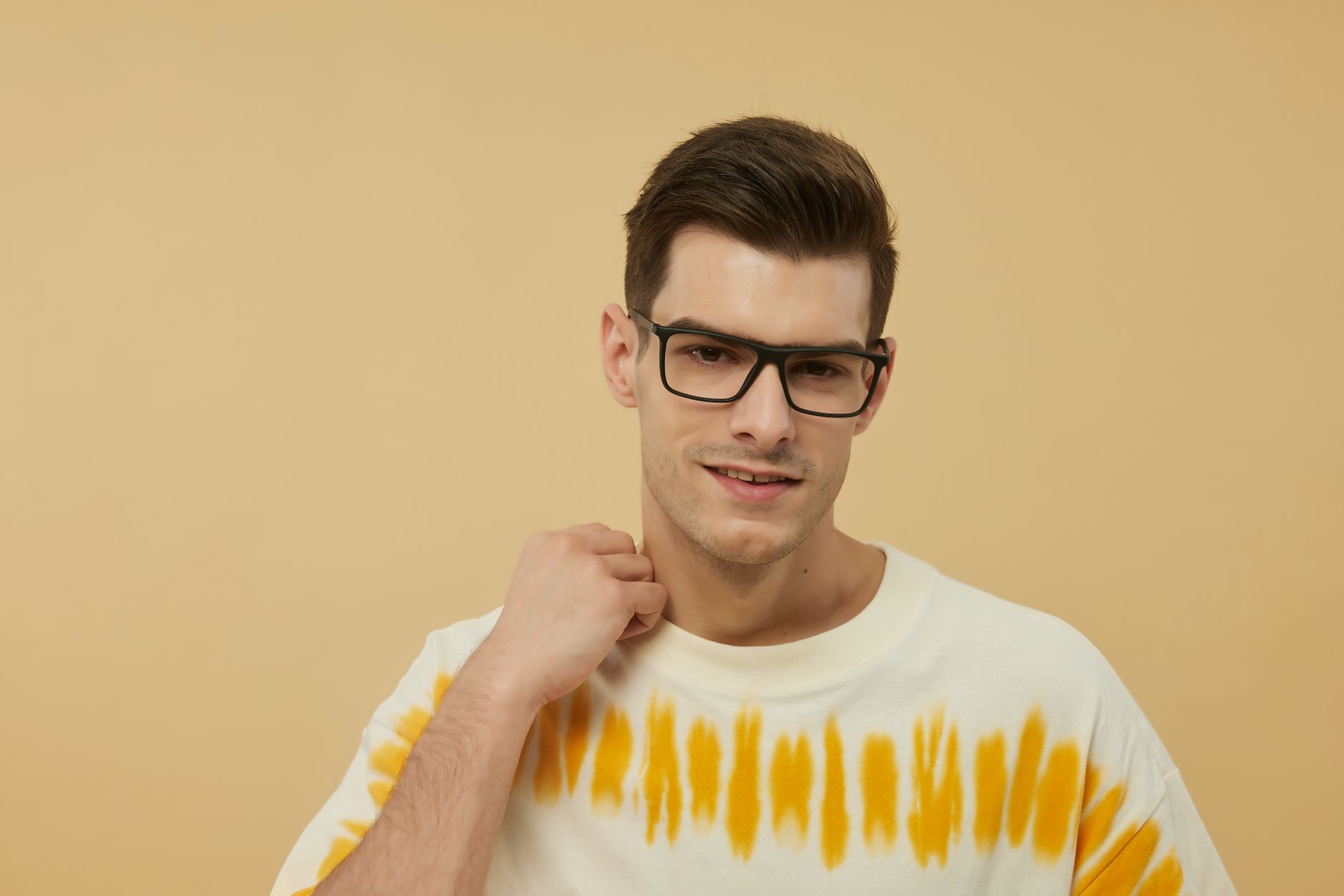
For the better part of a decade, smartglasses have been the technology that never quite arrived. Google Glass became a punchline before it became a product, and a parade of follow-ups promised augmented reality but delivered little more than expensive novelty. That long stretch of disappointment is exactly why a recent hands-on assessment of the latest AI-powered eyewear carries more weight than the usual gadget hype. The devices, it turns out, have quietly crossed the line from curiosity to something people might actually wear in public.
The Canberra Times published a hands-on walk-through of the current generation of AI smartglasses, and the takeaway is that the hardware has finally caught up to the marketing. What separates this wave from its predecessors is not a flashy holographic display but the artificial intelligence sitting behind the frames. Instead of clumsy menus and gesture controls, the glasses respond to natural speech, answer questions about what the wearer is looking at, translate signs and conversations in close to real time, and quietly capture photos and video from a camera tucked into the frame. The intelligence has moved from the screen to the assistant, and that shift is what makes the devices feel usable rather than experimental.
Why this generation is different
The category’s turning point came when Meta paired its eyewear with the Ray-Ban brand and folded its Llama models into the assistant, giving the glasses a voice interface that people could talk to the way they talk to a phone. Rivals have followed, and the result is a small but rapidly maturing market of devices that look almost indistinguishable from ordinary sunglasses. The hands-on account describes glasses that are light enough to forget you are wearing, with battery life and audio quality that no longer feel like compromises. For a product class that has spent years being mocked, that is a meaningful milestone.
The appeal is easy to understand. A pair of glasses that can whisper walking directions, identify a landmark, read a menu in another language or capture a hands-free photo of your kids at the beach solves genuine everyday problems without forcing you to pull out a phone. That is precisely the sort of ambient, always-available computing that the technology industry has been chasing since the smartphone plateaued. If the assistant is good enough and the hardware disappears onto your face, the friction of reaching for a device melts away.
The case for caution
The same features that make AI smartglasses compelling are the ones that make privacy advocates uneasy. A camera and microphone that are always within reach, controlled by voice and largely invisible to the people around the wearer, change the social contract of a public space. Google Glass drew fierce backlash over exactly this concern, and the word “glasshole” entered the lexicon precisely because bystanders had no reliable way of knowing whether they were being recorded. The current devices include a small indicator light meant to signal recording, but critics argue it is easy to miss and easier still to obscure.
There is a second, subtler worry. Because these glasses stream what the wearer sees to cloud-based AI models, they are not just cameras but sensors feeding a broader data pipeline. Every query about a shopfront, a product label or a face becomes a data point, and the companies building the assistants have strong commercial incentives to learn from that stream. The convenience is real, but so is the quiet expansion of surveillance into a form factor designed to be forgotten.
What it means for Australia
For Australian buyers and regulators, the arrival of capable AI smartglasses lands at an awkward moment. The country’s privacy regime is mid-overhaul, with the Federal Government progressing reforms to the Privacy Act that touch on consent, biometric data and the handling of personal information. A device that can photograph strangers and run their surroundings through an AI model sits right at the intersection of those debates, yet the law was not written with face-worn cameras in mind. Australia’s surveillance device laws vary state by state, and the rules governing when you may record another person differ enough that a behaviour that is legal in one jurisdiction may not be in the next.
Facial recognition adds another layer of concern locally. Australians have already been rattled by the trial of facial recognition on large numbers of shoppers and by debates over how retailers and law enforcement deploy the technology. Smartglasses that can, at least in principle, be paired with recognition software turn a consumer gadget into a potential surveillance tool, and privacy groups here have been vocal about the risks of normalising always-on cameras in public. The Office of the Australian Information Commissioner has consistently pushed for stronger guardrails around biometric collection, and a wearable that makes covert capture trivial will test whether those guardrails are fit for purpose.
There is also a straightforward consumer angle. Much of the assistant’s cleverness depends on cloud processing, which raises questions about where Australian users’ data is stored, how it is used to train models, and whether the local versions of these features match what overseas buyers get. Australia has repeatedly received AI features later than the United States and Europe, and language, mapping and translation tools tuned for other markets do not always perform as well down under. Anyone weighing up a purchase should assume the experience will differ from the glossy demos filmed abroad.
What’s next
The trajectory from here looks set. As the underlying models improve and displays creep into the lenses, smartglasses are likely to become the most visible battleground in consumer AI, precisely because they promise to take the assistant off the screen and into the world. That will force the harder conversations Australia has so far deferred: clear rules on consent and recording, transparency about how footage feeds AI systems, and a privacy framework that anticipates cameras on faces rather than reacting to them after the fact. The hands-on verdict is that the technology finally works. The unresolved question is whether the country’s laws and social norms are ready for it.
Sources: The Canberra Times.


