

















































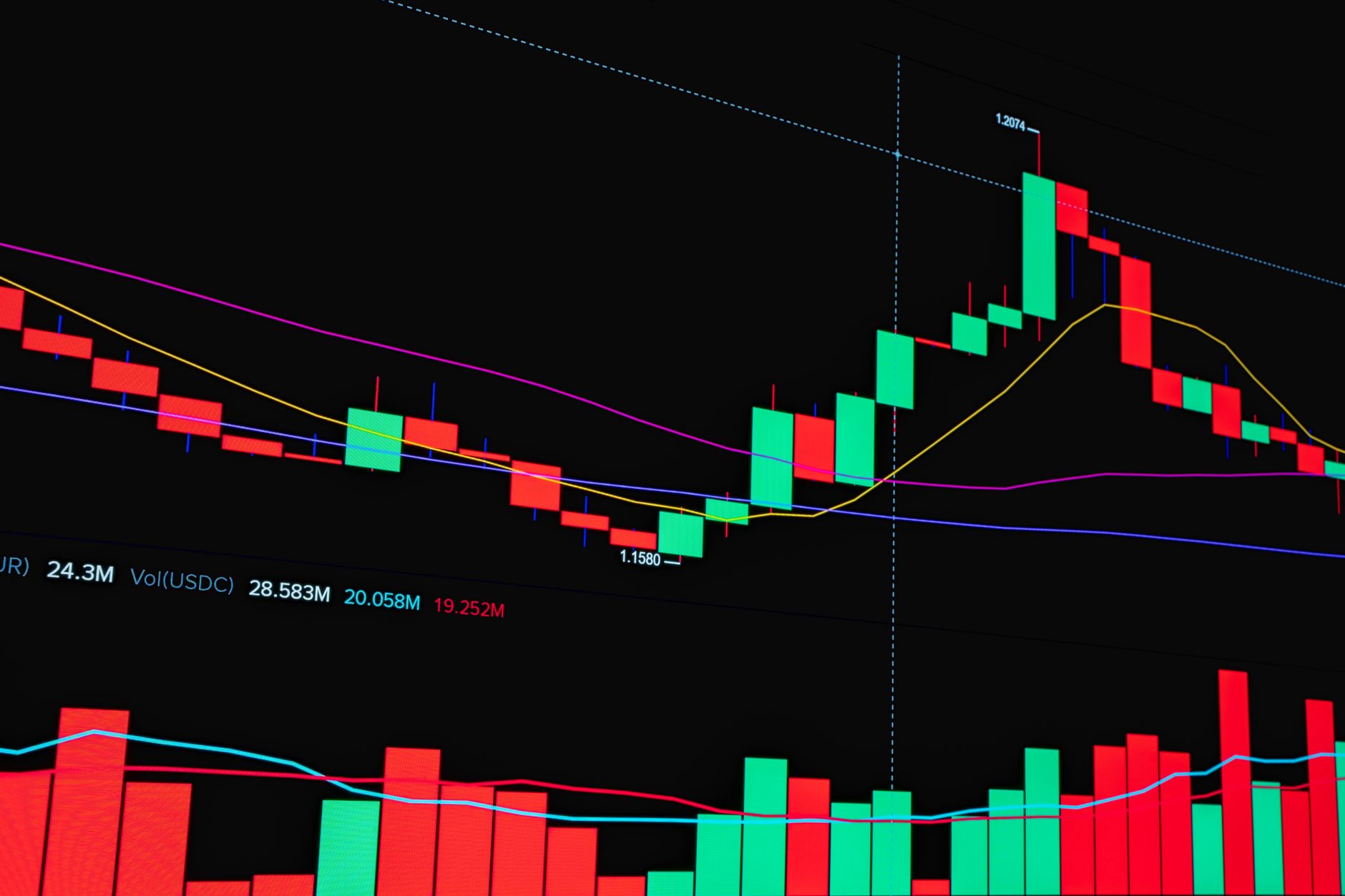
For most of the past two years the story of artificial intelligence on global sharemarkets has been written in American ticker symbols. Nvidia, Microsoft, Alphabet and a handful of other giants have accounted for an outsized share of the gains on Wall Street, leaving Australian investors to watch a boom that seemed to be happening somewhere else. That gap is beginning to close, and the clearest evidence sits in a corner of the market that rarely grabs headlines: the S&P/ASX Information Technology Index.
According to a recent market note from Kalkine, the local information technology index has rallied strongly as the global appetite for AI-exposed companies spills into the Australian market. The move reflects a broader repricing of anything with a credible link to the technology, from enterprise software to the data centres and infrastructure that keep it running.
What the index actually measures
The Information Technology Index tracks the technology constituents of the local sharemarket, a group that is small in number but heavily weighted toward a few marquee names. WiseTech Global, the logistics software company founded by Richard White, dominates the sector by market value, followed by accounting platform Xero and the Brisbane-based enterprise software maker TechnologyOne. Data centre operator NextDC and payments and design names round out a list that, taken together, has become the closest thing the ASX has to a pure technology play.
That concentration matters. When global money rotates into technology, as it has repeatedly through 2025 and into this year, a handful of Australian stocks do most of the heavy lifting. The result is an index that can move sharply on sentiment generated thousands of kilometres away, even when there is little fresh news at home. It also means the local benchmark behaves less like a broad read on Australian innovation and more like a leveraged bet on a small cluster of software winners.
Riding a global wave
The immediate driver is momentum imported from overseas. Strong earnings and ever-larger capital spending commitments from the American hyperscalers have kept the global AI trade alive far longer than many strategists expected, and that enthusiasm tends to wash across borders. When Nvidia beats expectations or Microsoft lifts its cloud guidance, the read-through for software and infrastructure companies everywhere is positive, and Australian names get swept along.
There is also a domestic thread. The past year has brought a genuine surge of AI-related activity on and around the local market, from Firmus and its multi-billion-dollar plans for Australian AI factories to the big banks building their own capability. Westpac and AMP have been open about their AI ambitions, and companies from iceTana to 4DMedical have leaned into the theme in their investor messaging. That steady drumbeat of announcements has given local investors more reasons to believe the AI story is not purely an offshore phenomenon.
Two ways to read the rally
Optimists argue the re-rating is overdue and, if anything, incomplete. Australian software companies such as WiseTech and Xero sell into global markets, generate recurring revenue and are steadily embedding AI features into their products. On that view, the local index is finally being valued for the quality of its constituents rather than languishing at a discount to overseas peers. Supporters of this case point to the structural demand for the infrastructure underneath AI, including the data centres, power and cooling that Australian operators are racing to build.
The more cautious camp sees echoes of past enthusiasm. A benchmark that rises and falls on the fortunes of three or four companies is fragile by design, and valuations across the global technology complex are stretched by most historical measures. Earlier this year the ASX endured what several commentators described as a healthy reset in AI-linked shares, a reminder that sentiment can reverse quickly. Sceptics warn that buying an index at the top of a hype cycle, particularly one so exposed to a single theme, is a way to import volatility rather than growth. The honest answer is that both things can be true at once: the underlying businesses may be sound while the price paid for them today proves too high.
Why it matters for Australia
For Australian investors, the practical stakes are significant because so much retail and superannuation money is channelled through index funds and exchange-traded products. When the Information Technology Index moves, it moves the portfolios of people who never made a deliberate decision to bet on artificial intelligence. Anyone holding a broad Australian shares fund now carries a slice of the AI trade whether they intended to or not, which makes understanding the concentration risk more than an academic exercise.
There is a wider economic dimension too. A buoyant technology sector makes it easier for local companies to raise capital, fund research and retain talent that might otherwise drift to Silicon Valley. That feeds directly into the federal government‘s ambitions to position Australia as a serious player in AI, an agenda that has drawn everyone from sovereign AI ventures to offshore lobbyists into the conversation. A strong local market for technology equity is one of the quieter ingredients in that plan, giving domestic firms the financial firepower to compete rather than be acquired.
At the same time, the dependence on offshore momentum cuts the other way. If the global AI trade cools, the same imported enthusiasm that lifted the local index would drain out just as fast, and the narrow group of stocks at the top would feel it most. Australia is a price-taker in this market, not a price-maker, and that leaves local investors exposed to decisions made in Santa Clara and Redmond.
What comes next
The near-term direction of the index will likely be set by the next round of results from the American technology giants and by whether the enormous capital spending commitments underpinning the AI boom continue to be honoured. Closer to home, investors will watch earnings from WiseTech, Xero and TechnologyOne for evidence that AI is translating into revenue rather than merely reputation, along with progress on the data centre projects that have attracted billions in pledged investment.
For now the message from the market is that Australia is no longer a bystander to the global AI rally. Whether that turns out to be a durable shift or another chapter in a familiar boom-and-bust cycle will depend, as always, on the numbers behind the enthusiasm.
Sources: Kalkine via GNews.


