


































There is a number doing the rounds in Australian higher education that ought to stop any vice-chancellor mid-sentence. Seven per cent. That is the share of students a senior lecturer at the University of Western Australia says were still turning up to lectures, a figure that says less about artificial intelligence than it does about the state of the traditional university experience it is supposedly threatening.
The context is an argument published in Campus Review, which makes the case that reaching for prohibition is exactly the wrong reflex. The piece contends that banning generative AI from classrooms and assessment might protect the appearance of academic rigour, but it does nothing to prepare graduates for workplaces where the technology is already embedded in the daily grind. If students will spend their careers drafting, coding, analysing and summarising alongside AI tools, the reasoning goes, then a degree that pretends those tools do not exist is training people for a world that has already moved on.
The news, and why it keeps recurring
None of this is a single announcement so much as a fault line that keeps reopening across the sector. Since ChatGPT arrived in late 2022, Australian universities have swung between panic and pragmatism. Some institutions rushed to reinstate handwritten exams and locked-down invigilation. Others quietly built AI use into assessment design, asking students to critique, correct or extend machine-generated work rather than pretend they never touched it. What the Campus Review argument crystallises is that the two approaches rest on very different assumptions about what a university is for.
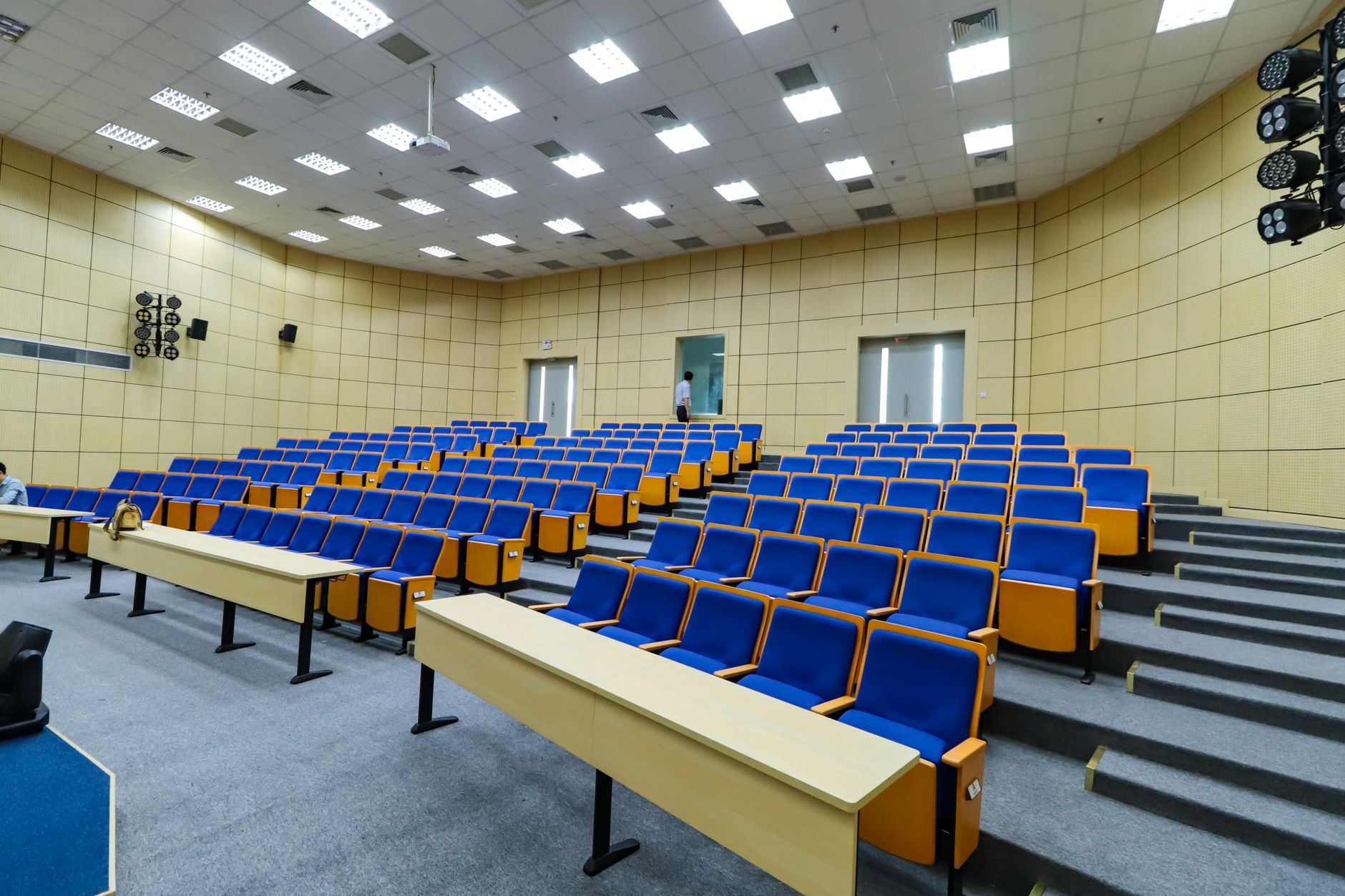
The attendance figure matters because it undercuts a comfortable story. The instinct to ban AI often carries an implied nostalgia for a lecture theatre full of engaged students scribbling notes, a scene that the 7 per cent number suggests was already fading well before anyone typed a prompt. If most students were consuming recorded lectures, skimming slides and cramming from summaries long ago, then AI has not corrupted a golden age of deep learning. It has exposed how thin parts of the model had become.
Two ways of reading the same problem
On one side sit the integrity hardliners, and their concern is not trivial. If a student can submit a polished essay generated in seconds, the argument runs, then the assessment measures nothing, the credential loses meaning, and employers can no longer trust that a graduate can actually reason, write or solve a problem unaided. From this vantage point, detection tools, oral defences and supervised exams are not reactionary. They are the last line holding up the value of the qualification itself. Plenty of academics who have watched a marking pile fill with suspiciously fluent, oddly generic prose will recognise the fear.
On the other side are those who argue that policing is a losing game and, worse, a distraction. Detection software is unreliable and produces false accusations that fall hardest on international students and those who write in a second language. Chasing every possible breach turns teaching staff into investigators and poisons the relationship with students. More to the point, this camp says, the skill that actually matters now is judgement: knowing when to lean on a tool, when to distrust it, and how to check its output against reality. You cannot teach that skill by banning the tool.
Both readings share a blind spot they rarely admit. The real problem may be assessment that was always vulnerable, the take-home essay churned out the night before, the formulaic report, the exam that rewards memorisation over thinking. AI did not create that weakness. It industrialised the shortcut.
What it means for Australia
For a country that treats international education as one of its largest export earners, this is not an abstract pedagogical debate. Australian universities compete globally on the credibility of their degrees, and that credibility is precisely what a botched response to AI could erode, whether through credentials that no longer signal competence or through heavy-handed policing that damages the student experience prospective enrolees are paying a premium to buy. Get the balance wrong in either direction and the reputational cost lands on a sector already under financial strain.
The stakes reach beyond campus, too. Australian employers are wrestling with their own version of the same question, as workplaces fill quietly with unsanctioned tools and managers try to work out what oversight looks like. A graduate who has been taught to use AI critically, to interrogate its answers and own the final judgement, is exactly the worker those employers say they need. A graduate trained only to avoid it arrives unprepared for a first job in which the technology is simply assumed. The gap between what universities certify and what industry requires is a live concern across the economy, and higher education is where it either narrows or widens.
There is also a policy dimension. As Canberra builds out its national approach to AI, including a dedicated office and questions about skills recognition, the education system sits at the centre of any serious plan to lift the country’s capability. It is hard to argue Australia should be a builder of AI rather than merely a host of it while its universities are still deciding whether students are allowed to touch the stuff.
What’s next
The likely direction of travel is neither blanket ban nor free-for-all, but a slow, uneven redesign of assessment. Expect more oral examinations and vivas, more work that asks students to show their process rather than just their product, and more assignments that treat AI output as a starting draft to be challenged rather than a finished answer to be caught. Some of that will be genuine reform. Some will be theatre.
The harder work is cultural. A sector that quietly tolerated 7 per cent attendance for years cannot credibly claim that AI is the thing hollowing out learning. If the argument in Campus Review lands anywhere useful, it is on that uncomfortable point: the technology is holding up a mirror, and universities may not like the reflection. Preparing students for the future was always going to demand more than deciding what to forbid. It requires deciding what a degree is supposed to prove, and then building teaching that actually proves it.
Sources: Campus Review.