















































There is a question making its way around trading desks and dinner tables alike at the moment, and the national broadcaster has put it bluntly: which force is more likely to blow a hole in global financial markets, Donald Trump or artificial intelligence? It is a provocative framing, but it captures a genuine unease among investors who have watched share prices climb to records even as the ground beneath them feels increasingly unsteady.
The ABC poses the question in an analysis piece that sits at the intersection of two of the year’s biggest market stories. On one side is the political and policy volatility flowing out of Washington. On the other is the extraordinary amount of money that has poured into anything connected to AI, a wave of enthusiasm that has done much of the heavy lifting behind this year’s gains.
How the market got here
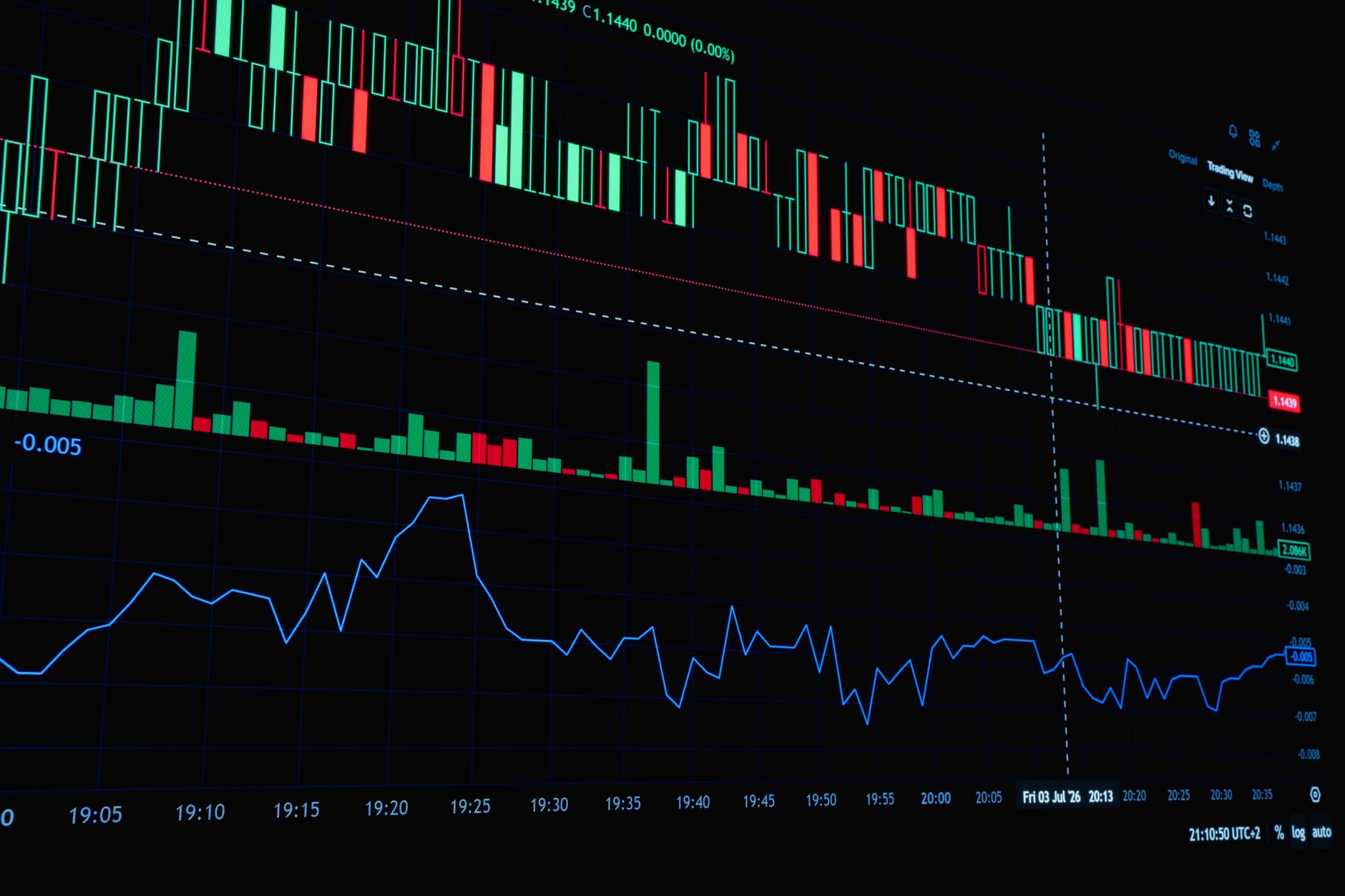
To understand the worry, you have to appreciate how concentrated the rally has become. A small cluster of very large American technology companies, the firms designing AI chips, building the data centres and selling the software, now accounts for a startling share of the value of major share indices. When a handful of stocks carry an index that high, the maths cuts both ways. Good news from those companies lifts everyone’s portfolio. A stumble, or even a hint that the spending on AI may not pay off as quickly as promised, can drag the whole market down with it.
Adding to the nervousness is the circular nature of some of the money moving through the sector. Chip makers invest in AI developers, who in turn commit to buying vast quantities of chips and renting enormous amounts of computing power. Critics argue this creates the appearance of booming demand that is, in part, the industry funding itself. Supporters counter that the underlying technology is real, that enterprises are genuinely adopting it, and that comparing today’s AI leaders to the loss-making dot-com casualties of 2000 ignores how profitable these companies actually are.
Two camps, one uneasy truce
Broadly, the market has split into two camps. The optimists see AI as a once-in-a-generation productivity shift, the sort of structural change that justifies high valuations because it will reshape how work gets done across the economy. In their view, the spending on infrastructure is an investment that will be repaid many times over as the technology filters into everything from logistics to medicine. They point to the real revenue that the biggest players are already booking.
The sceptics are not denying that AI matters. Their concern is pace and price. They worry that expectations have run ahead of what the technology can deliver in the near term, that the capital being committed to data centres and chips assumes a level of demand that may not materialise on schedule, and that any disappointment could trigger a sharp repricing. History, they note, is littered with transformative technologies that changed the world and still bankrupted the investors who arrived at the top of the hype.
Then there is the Trump variable, which the ABC’s framing treats as a rival source of risk rather than a footnote. The US President’s willingness to reach for tariffs, his public pressure on the Federal Reserve and the general unpredictability of policy out of Washington all inject volatility that markets struggle to price. The danger, as the analysis suggests, is not necessarily that one of these forces acts alone. It is that a policy shock and an AI wobble could arrive together, each amplifying the other.
Why this matters for Australia
It would be comforting to file all of this under “someone else’s problem”, but the exposure runs deep for Australian households, often in ways they do not see. The single biggest channel is superannuation. Trillions of dollars sit in the system, and a large slice of that is invested offshore, much of it tracking global share indices that are now dominated by the same cluster of American AI-linked giants. When those stocks move, the balance on your next super statement moves with them, whether or not you have ever bought a tech share in your life.
The ASX is not immune either. The local market has its own crop of AI-exposed names, from data centre operators to software firms riding the automation story, and sentiment here tends to import the mood from Wall Street overnight. A serious correction in US tech would ripple through to Australian valuations, and the broader risk appetite that drives everything from small-cap capital raises to housing finance.
Currency is another transmission line. The Australian dollar often behaves as a barometer of global risk, firming when investors feel confident and sliding when they rush for safety. A market scare, whatever its trigger, tends to push money towards the US dollar and away from the Aussie, which flows through to the price of imported goods and the cost of that overseas holiday. The Reserve Bank, already navigating a delicate path on inflation and rates, would be watching any offshore turmoil closely for its knock-on effects at home.
There is a sovereignty angle too. Australia is pouring money into its own AI infrastructure, with major data centre projects and sovereign computing initiatives attracting billions in investment on the promise that demand will keep growing. That national bet is partly tied to the same global thesis the sceptics are questioning. If the AI investment cycle cools sharply overseas, the business case for some of the local build-out could come under pressure at an awkward moment.
What happens next
No one sensible is predicting the exact timing or the exact trigger, and the honest answer to the ABC’s question is that both risks are live and neither is fully in anyone’s control. What investors can watch for is reasonably clear. Keep an eye on whether the biggest AI companies keep converting their enormous spending into actual earnings, because that is the fault line between a durable boom and an inflated one. Watch the policy signals out of Washington, particularly anything touching tariffs or the independence of the Federal Reserve. And watch how concentrated the market stays, because the more a few names carry the index, the more fragile the whole structure becomes.
For Australians, the practical takeaway is less about predicting a crash and more about understanding exposure. Most people’s wealth is now quietly linked to the AI trade through their super, which argues for knowing how your fund is positioned rather than trying to time the market. The question of whether Trump or AI breaks first may never get a clean answer. The lesson is that an economy this plugged into global markets feels the tremors from both.
Sources: ABC News.


