












































For generations of Victorian graziers, the warning signs of a wild dog attack have been grimly familiar: torn fences at first light, bloodied paddocks and ewes that have to be put down. Now the state is reaching for a very different tool to break that cycle, sending artificially intelligent drones into the air to find the predators before they find the flock.
According to the Geelong Advertiser, Victoria is testing drones fitted with AI-assisted cameras to detect wild dogs across rural country, part of a broader push to modernise how the state manages one of agriculture’s most enduring threats. The idea is straightforward even if the technology is not: machine vision trained to recognise the shape, gait and heat signature of a dog can scan far more ground than a person on a quad bike, flag an animal that a human eye would miss, and do it in the half-light when attacks most often happen.
Why wild dogs matter to the bottom line
The problem the trial is trying to solve is neither new nor small. Wild dogs, a loose category that takes in feral domestic dogs, dingoes and the hybrids in between, cost Australian livestock producers tens of millions of dollars a year through killed and injured stock, lost production and the expense of control programs. The damage is rarely clean. A single dog can maul dozens of sheep in a night without eating any of them, leaving farmers with carcasses, vet bills and the slow grind of rebuilding a flock.
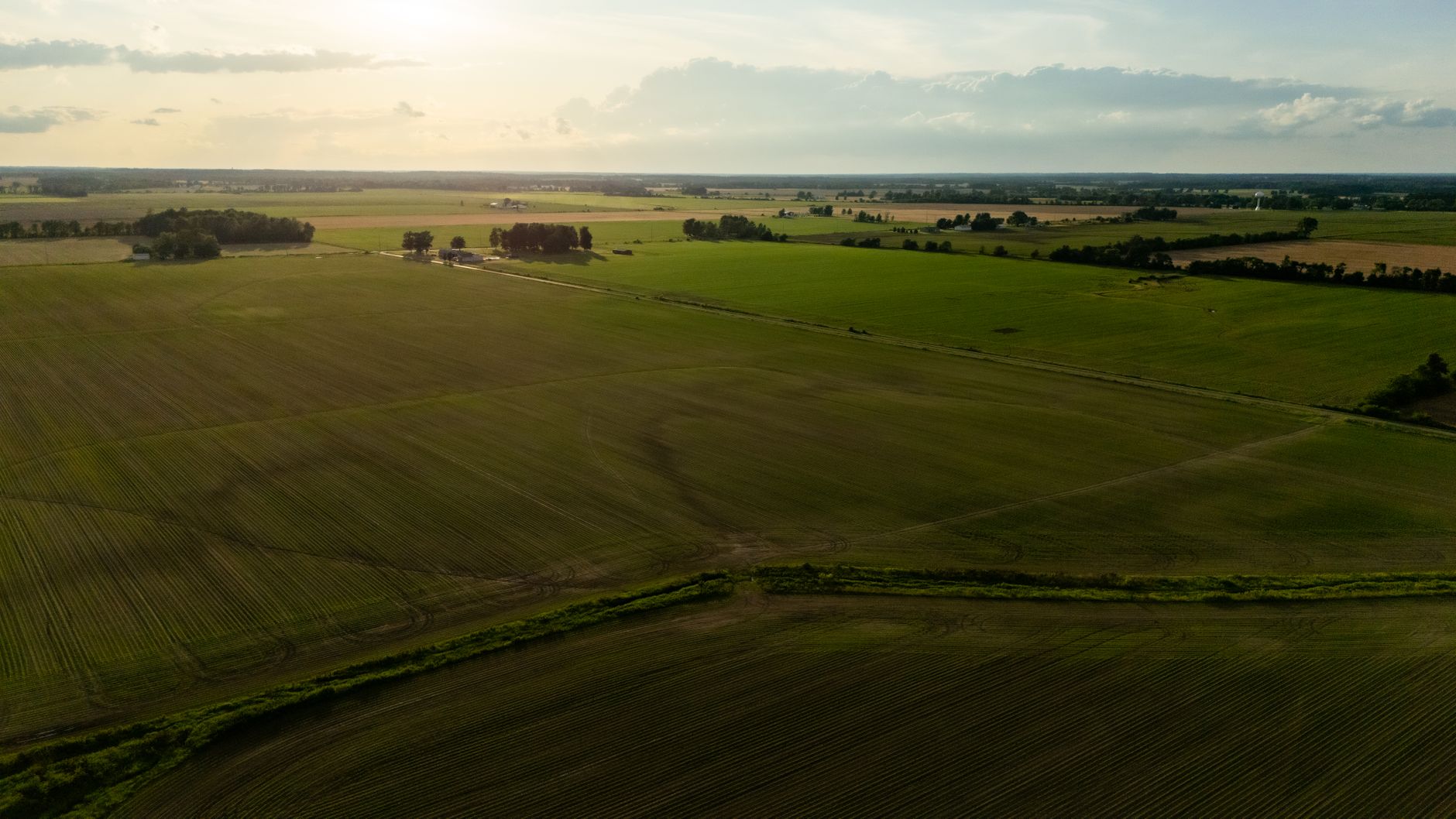
For sheep and cattle country across Victoria’s north east and the Gippsland high country, the threat has shaped where people run stock and how much time they pour into fencing, baiting and trapping. Control has traditionally leaned on aerial and ground baiting with 1080 poison, exclusion fencing, trapping and professional doggers who track and shoot problem animals. Each method has its limits, and all of them share the same weakness: by the time anyone knows a dog is in the area, it has often already done its damage.
That is where the drone trial is pitched to make a difference. Rather than reacting to an attack, the technology aims to give landholders and wild dog controllers an earlier, wider view of what is moving through the bush near their boundaries. Detection is only the first step, but in predator management, knowing where an animal is and when it is active is most of the battle.
Two ways of seeing the same drone
Among farmers and the agencies that back them, the appeal is obvious. Drones cover rugged terrain that is dangerous or impossible to patrol on foot, they can fly at dawn and dusk when dogs are on the move, and AI promises to turn hours of raw footage into a handful of useful alerts. If the systems prove reliable, they could stretch thin control budgets further and take some of the guesswork out of deciding where to lay baits or set traps.
The sharper debate sits with conservationists and animal welfare advocates, who have spent years arguing that Victoria’s wild dog program sweeps up far too many dingoes. Genetic studies have repeatedly found that a large share of animals killed as wild dogs in parts of the state are dingoes or close to pure dingoes, a native species that plays an important role in regulating kangaroo and feral herbivore numbers. That tension came to a head when the state moved to wind back lethal dingo controls in the north west and extend protections, a decision that pleased ecologists and dismayed many graziers.
Against that backdrop, better detection cuts both ways. If AI can reliably tell a dingo from a feral dog in the air, it could make control far more targeted and spare protected animals that currently die in broad baiting and trapping programs. If it cannot, critics will reasonably ask whether smarter cameras simply make it easier to kill native wildlife at scale. The value of the trial will rest heavily on how good the models actually are at telling these animals apart, not just at spotting that something four-legged is out there.
What it means for Australia
Victoria is not acting in isolation. Wild dogs and feral predators are a national problem, and the country has become something of a proving ground for agricultural AI, from weed-spotting robots in cropping country to computer vision that reads cattle health in the yards. A working drone-and-AI detection system for predators would be directly relevant to New South Wales, Queensland, South Australia and Western Australia, where producers face the same losses and the same difficult politics around dingoes.
There is a sovereignty angle too. Much of the hard, place-specific work in agricultural AI, such as training models on local species, local terrain and local light conditions, has to be done here because overseas datasets simply do not contain Australian dingoes or the Gippsland scrub. Trials like this one build exactly the kind of homegrown expertise and data that the broader Australian AI sector has been arguing the country needs if it wants to do more than import tools built elsewhere. Success would also feed into the growing market for drone services in regional Australia, where operators already handle everything from crop mapping to bushfire assessment.
The flip side is that rural technology lives or dies on practicality. Drones need operators, charging, data plans and a way to get alerts to someone who can act on them, often in places where mobile coverage is patchy at best. A clever system that only works within sight of a tower, or that floods a time-poor farmer with false positives, will not survive contact with a real paddock.
What’s next
The immediate test is whether the AI can detect wild dogs accurately and consistently in Victorian conditions, and whether that detection translates into fewer dead sheep rather than just more data. Expect close attention to how the system handles the dingo question, how it performs in poor weather and difficult country, and what it costs to run at a scale that ordinary producers could access. If the trial delivers, the pressure will quickly turn to funding and rollout, and to whether other states follow Victoria into the air. If it does not, it will join a long list of promising rural technologies that worked in the demonstration and faltered on the fence line.
Either way, the experiment marks a notable moment: one of farming’s oldest fights, against a predator that has outwitted poisons, traps and shooters for more than a century, is now being handed to a machine that is learning to watch the bush on its own.
Sources: Geelong Advertiser.


