
































Every gold rush has a quiet accountant somewhere in the back room, tallying up what the excitement is actually costing. In the artificial intelligence boom, that accountant has been drowned out by the noise of billion-dollar funding rounds and breathless product launches. A new opinion piece in The Spectator Australia, published under the headline Artificial Intelligence and the elephant in the data room, tries to put that accountant back at the head of the table.
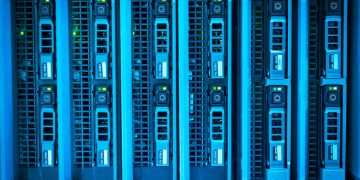
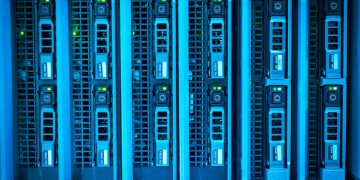
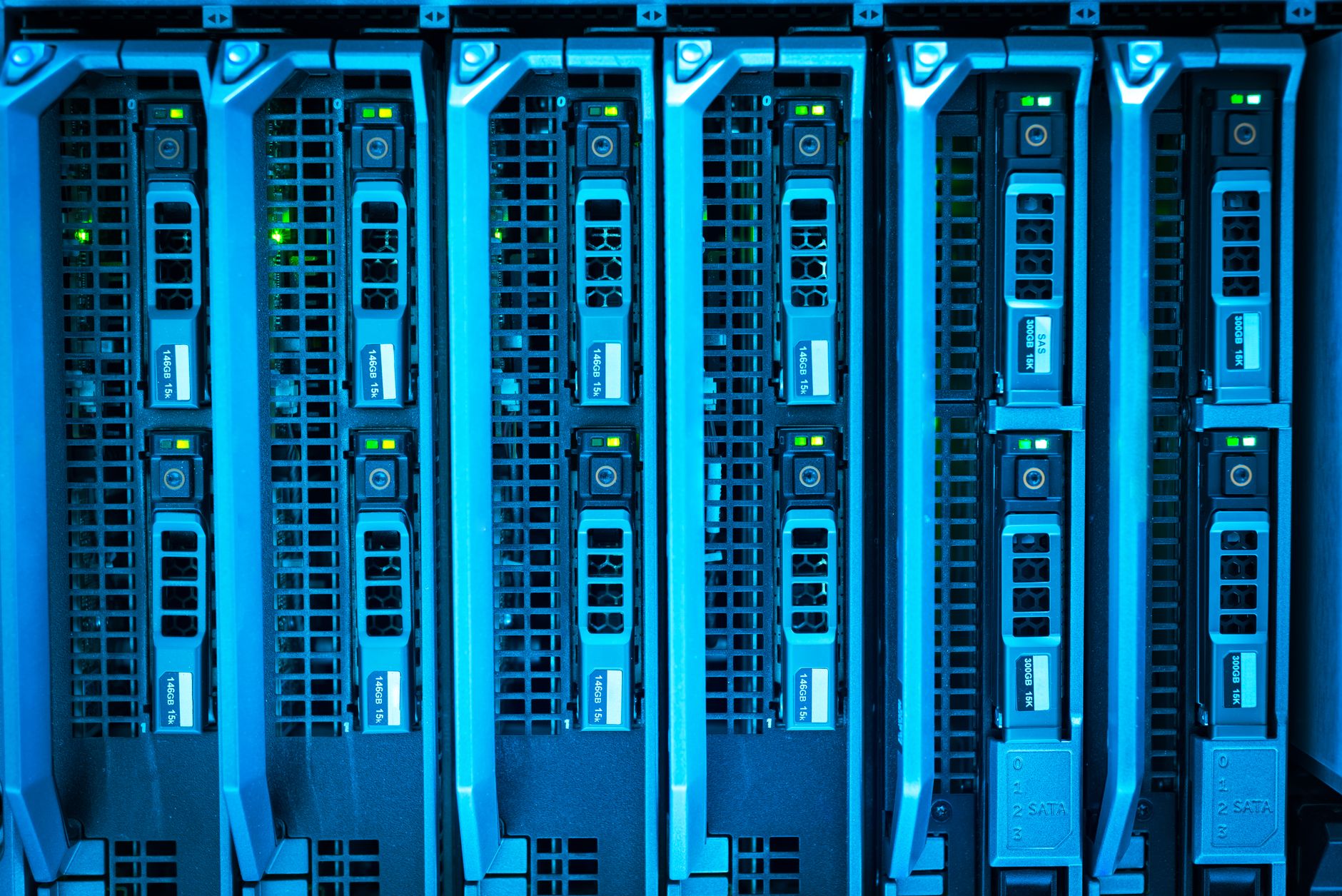
The pun is doing a lot of work. The elephant is not in the room, it is in the data room, which is to say inside the vast, humming warehouses of servers that make modern AI possible. The column’s argument, as the metaphor makes plain, is that the industry has become very good at talking about what AI can do and conspicuously quiet about what it consumes to do it. That consumption is measured in gigawatts of electricity, megalitres of water for cooling, and the finite headroom of an electricity grid that was never designed with server farms of this scale in mind.
Why this lands harder in Australia
For an Australian reader, this is not an abstract overseas worry. The country is in the middle of one of the largest data centre buildouts in its history, and the money is real. Sydney-based Firmus has been assembling billions of dollars to build so-called AI factories, and the broader sector has attracted the attention of global infrastructure players hunting for the land, power and connectivity that generative AI demands. Each of those facilities is, in energy terms, the equivalent of adding a small city to the network.
The timing is awkward. Australia is simultaneously trying to decarbonise its grid, retire ageing coal plants, and hold down power prices for households already feeling the pinch. The Australian Energy Market Operator has repeatedly flagged that surging demand from data centres is now a material factor in its planning, competing for the same clean electrons that were supposed to be freed up for homes, factories and electric vehicles. That is the collision the Spectator column is pointing at. When a data centre and a suburb both want the same megawatt, someone has to decide who gets it, and at what price.
Two ways of reading the same warehouse
There are two honest ways to look at these buildings, and the debate really turns on which one you privilege.
The optimistic reading treats data centres as national infrastructure, no different in kind from ports, railways or the National Broadband Network. On this view the power draw is a feature, not a bug: it represents investment, construction jobs, sovereign computing capacity, and the ability to keep sensitive Australian data on Australian soil rather than renting it from servers in Virginia or Singapore. Industry advocates argue that hyperscale operators are also among the largest corporate buyers of renewable energy in the country, signing long-term contracts that actually help finance new wind and solar farms that might otherwise struggle to reach a final investment decision. In that framing, AI demand is not draining the energy transition, it is bankrolling it.
The sceptical reading, which is closer to the spirit of the Spectator piece, is less forgiving. It notes that a power purchase agreement on paper does not guarantee a new solar farm gets built on time, and that in the meantime the extra load can be met by keeping fossil generators running longer than planned. It worries about water, because evaporative cooling in a dry continent is not a rounding error. And it raises the uncomfortable political economy question: if the benefits of AI flow largely to a handful of global technology companies while the costs land on the shared grid and the shared water table, then the public is quietly subsidising private profit. That is the elephant. Everyone can see it, and the commercial incentive is to keep pretending it is a filing cabinet.
The policy vacuum
What makes the column timely is that Australia has not yet resolved how to govern any of this. There is movement. Governments have begun drafting frameworks to tie data centre growth to renewable energy commitments, and the sector itself has started competing on efficiency, with newer facilities boasting about advanced liquid and water cooling designs that cut both power and consumption. But there is no single rulebook that forces a developer to prove its energy and water plan stacks up before the concrete is poured, in the way a mine or a major dam would face scrutiny.
That gap matters because the decisions being made now are effectively locked in for decades. A data centre is not a start-up you can pivot. Once it is built and drawing load, the grid has to serve it. The question the Spectator column implicitly asks is whether Australia is signing contracts today that its energy system and its climate targets will struggle to honour in 2030, and whether anyone in the approvals chain is being made to add up the total bill before saying yes.
What comes next
Expect this argument to sharpen rather than fade. As more AI factories move from announcement to construction, the abstract debate about gigawatts becomes a concrete debate about specific substations, specific water licences and specific price impacts in specific regions. Regional communities being courted with the promise of grid-connected investment will start asking pointed questions about what they get in return. Energy regulators will keep publishing demand forecasts that make data centres impossible to ignore. And politicians who have championed AI as an economic saviour will have to reconcile that enthusiasm with their commitments on power bills and emissions.
None of this means the buildout is wrong or should stop. Sovereign computing capacity is a genuine strategic asset, and the alternative of depending entirely on offshore infrastructure carries its own risks. But the Spectator’s contribution is a useful corrective to the hype cycle. Before Australia commits to being a data centre hub for the region, it is worth naming the animal in the corner and working out, transparently, who feeds it. The technology is dazzling. The electricity bill is not, and it does not disappear because nobody wants to look at it.
Sources: The Spectator Australia.